Cheetah Hunt Behind the Scenes Tour
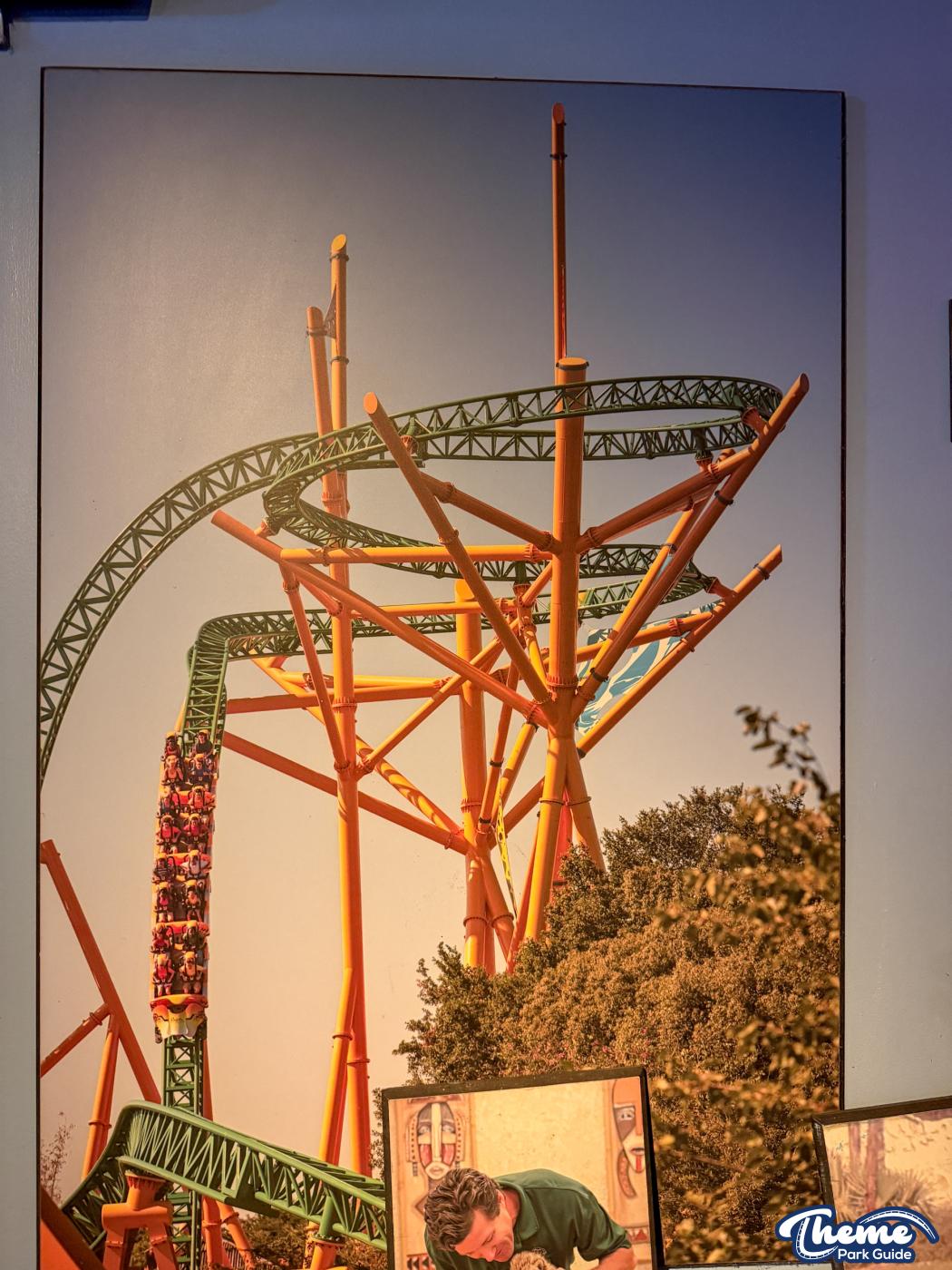
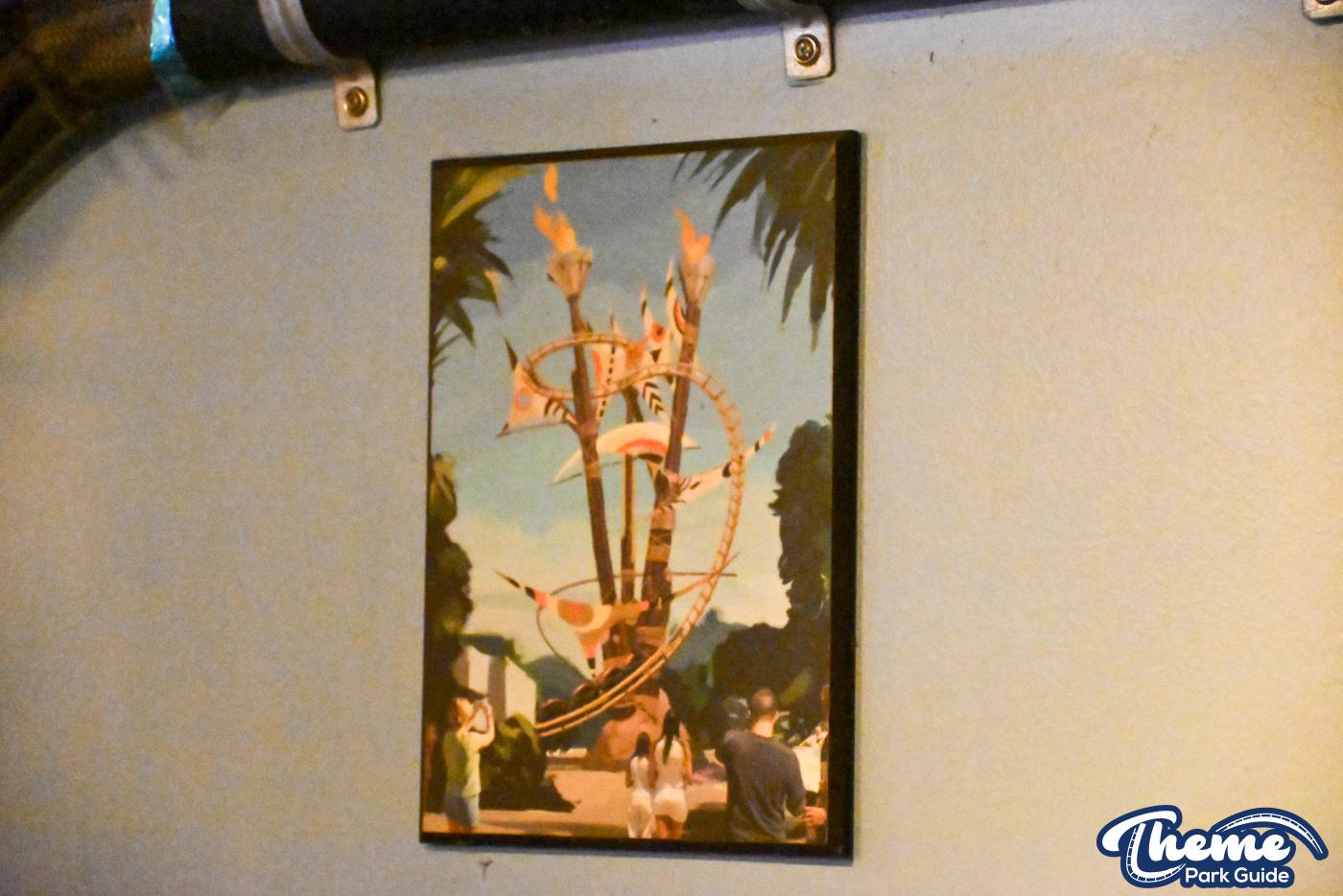
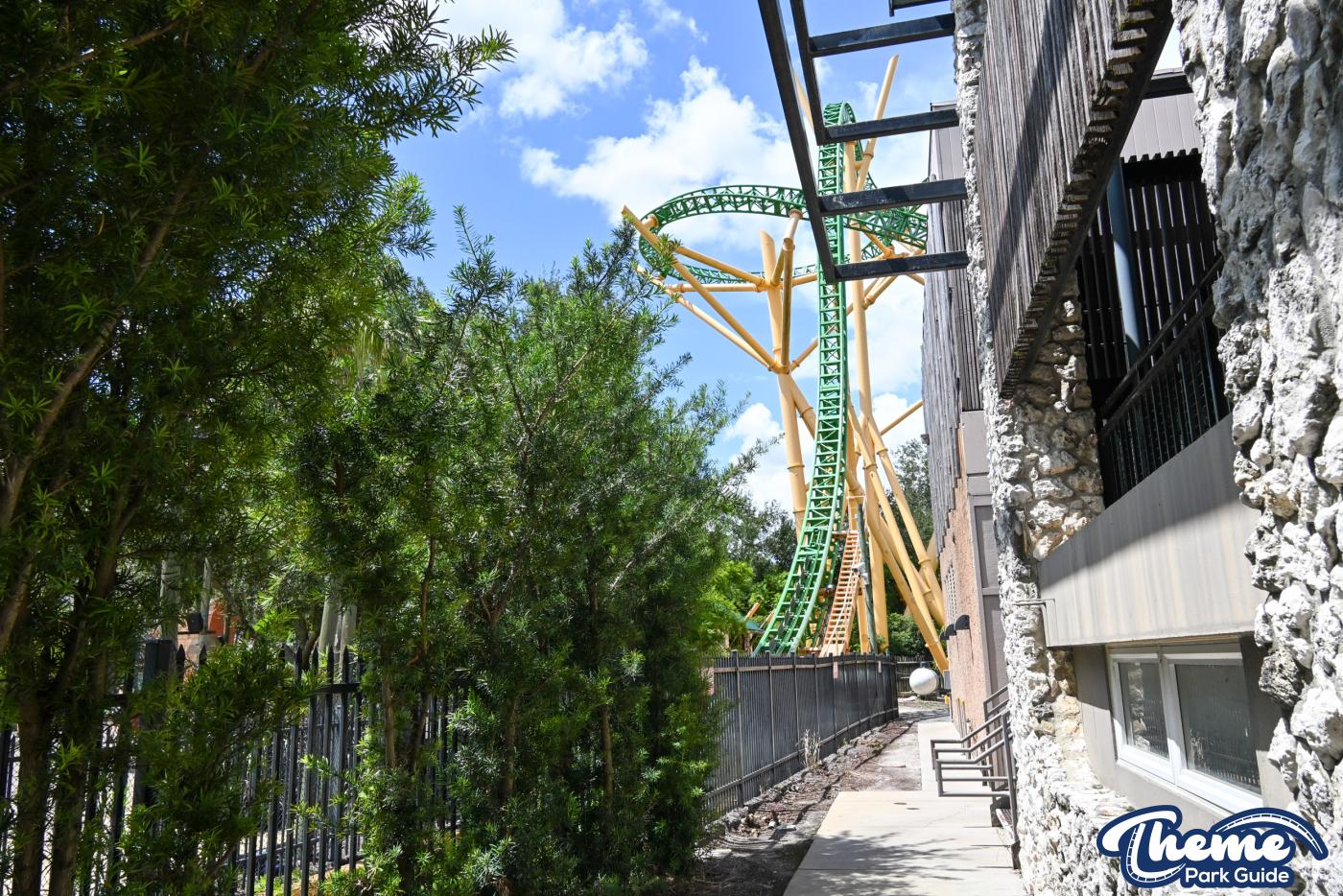
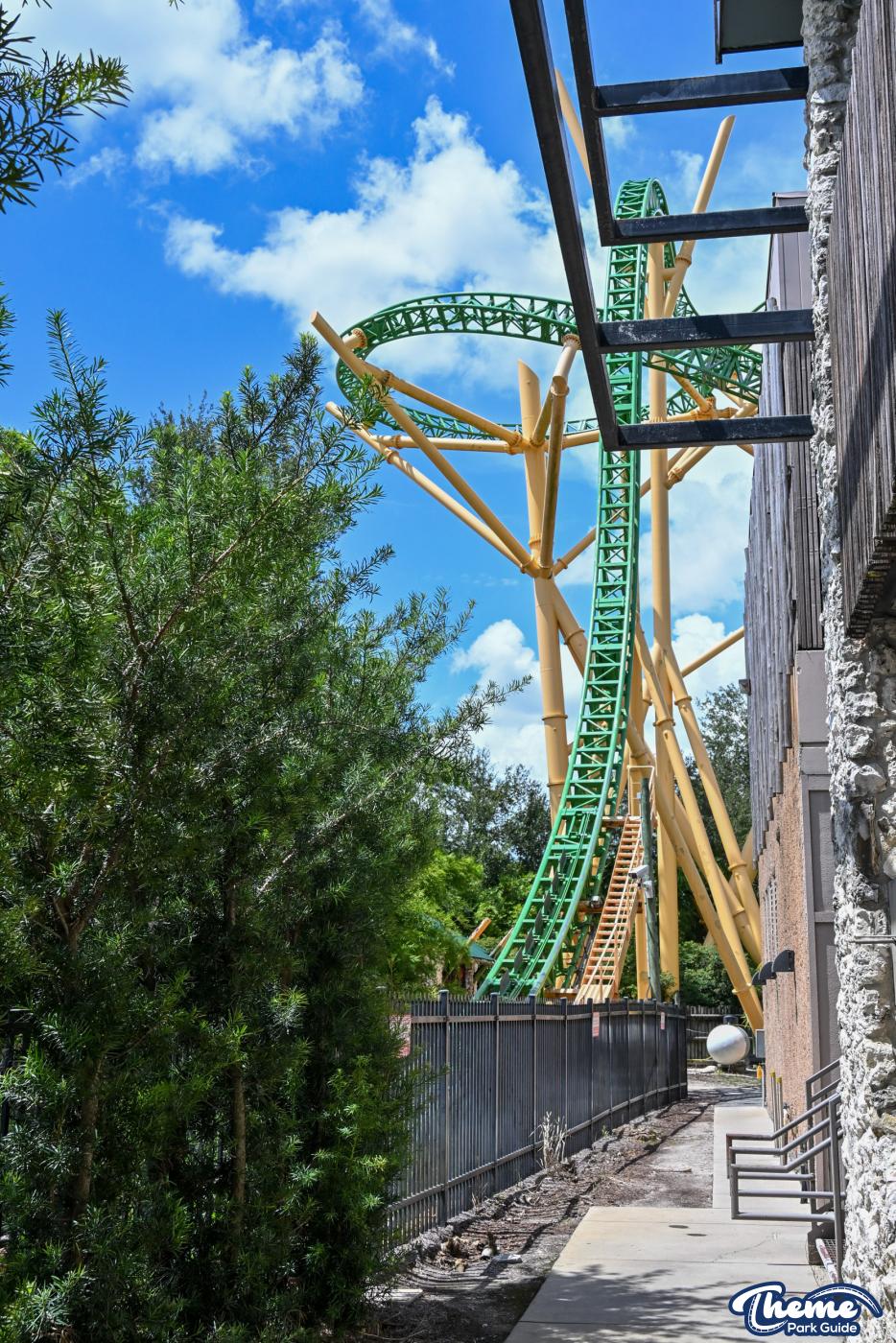
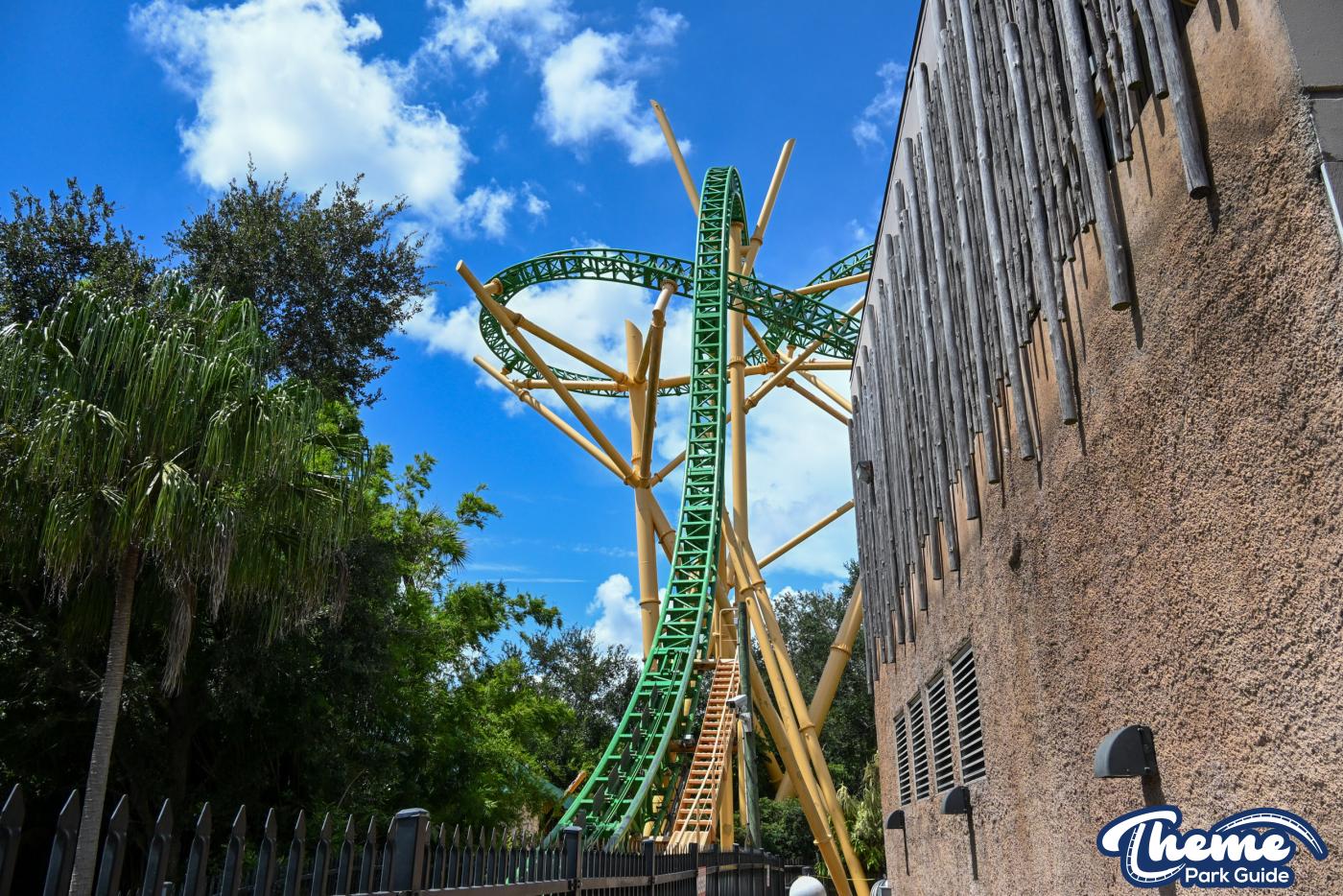
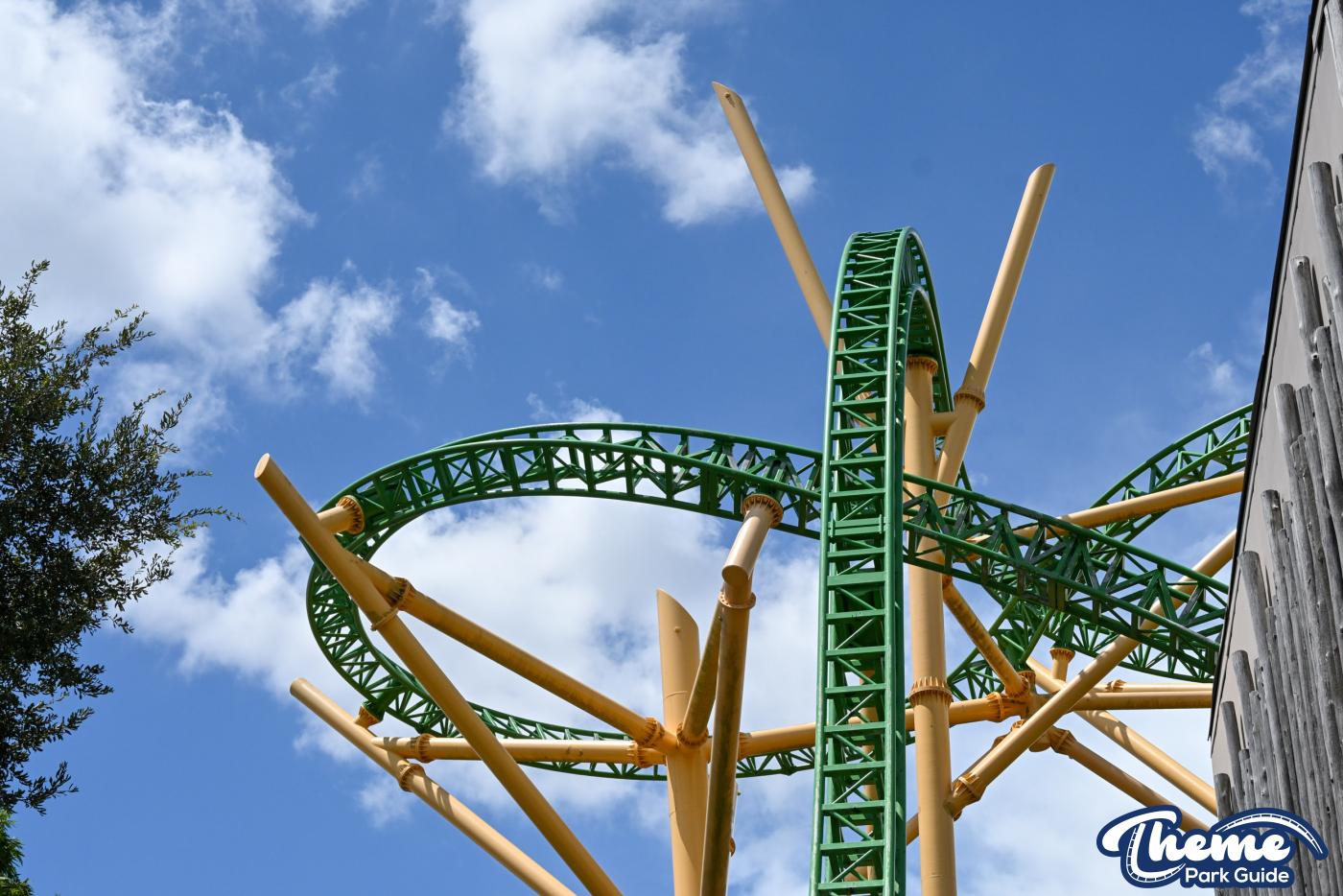
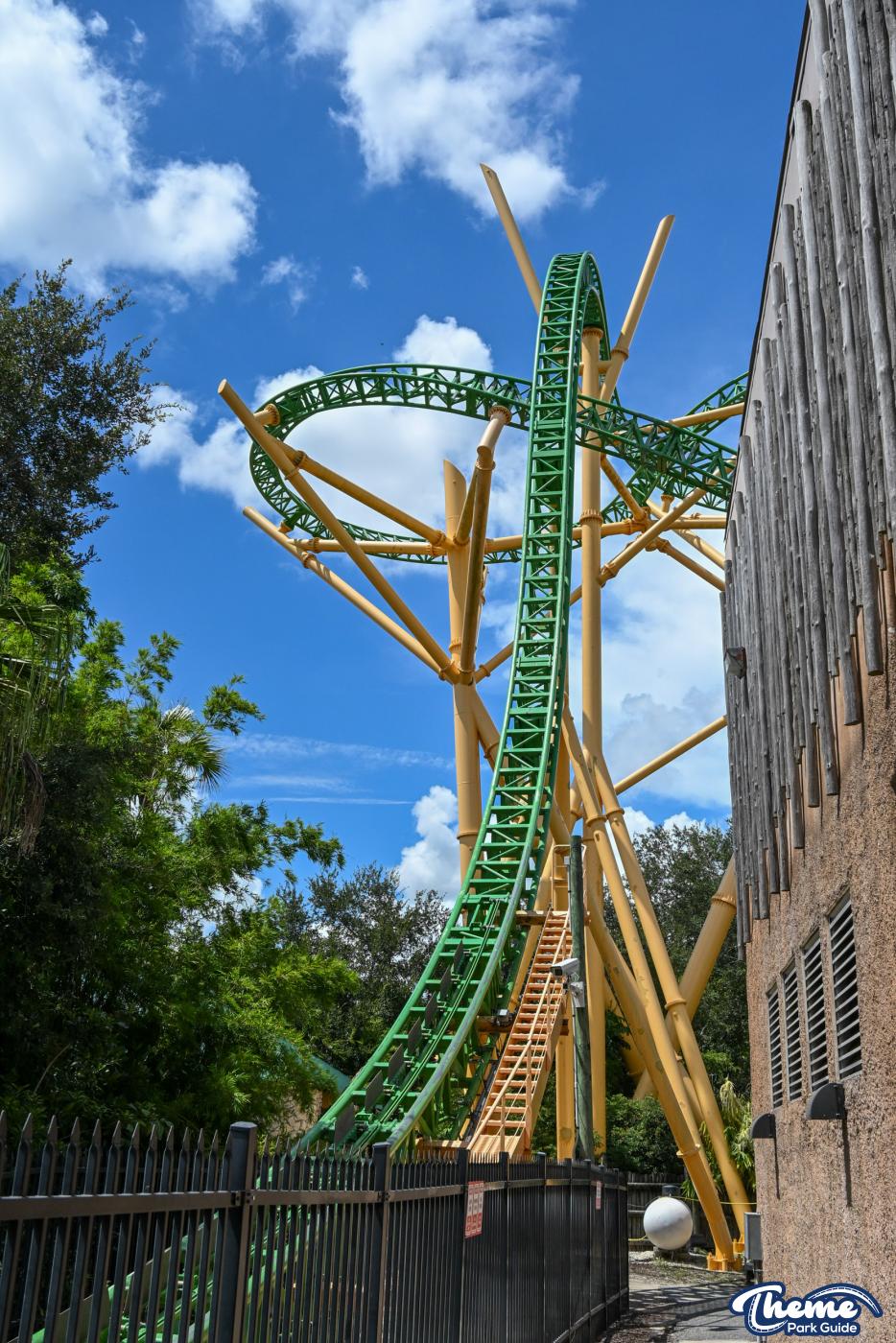
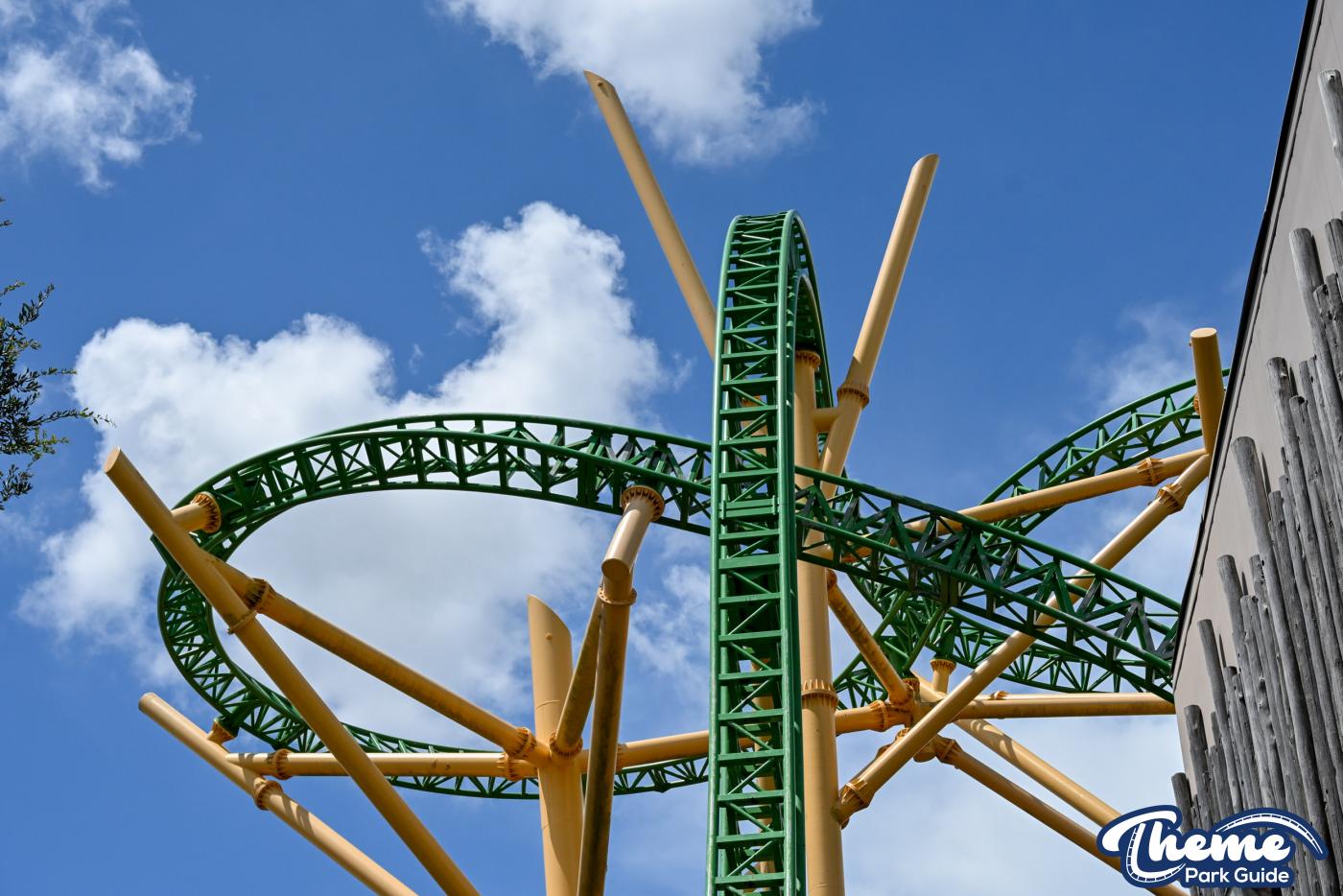
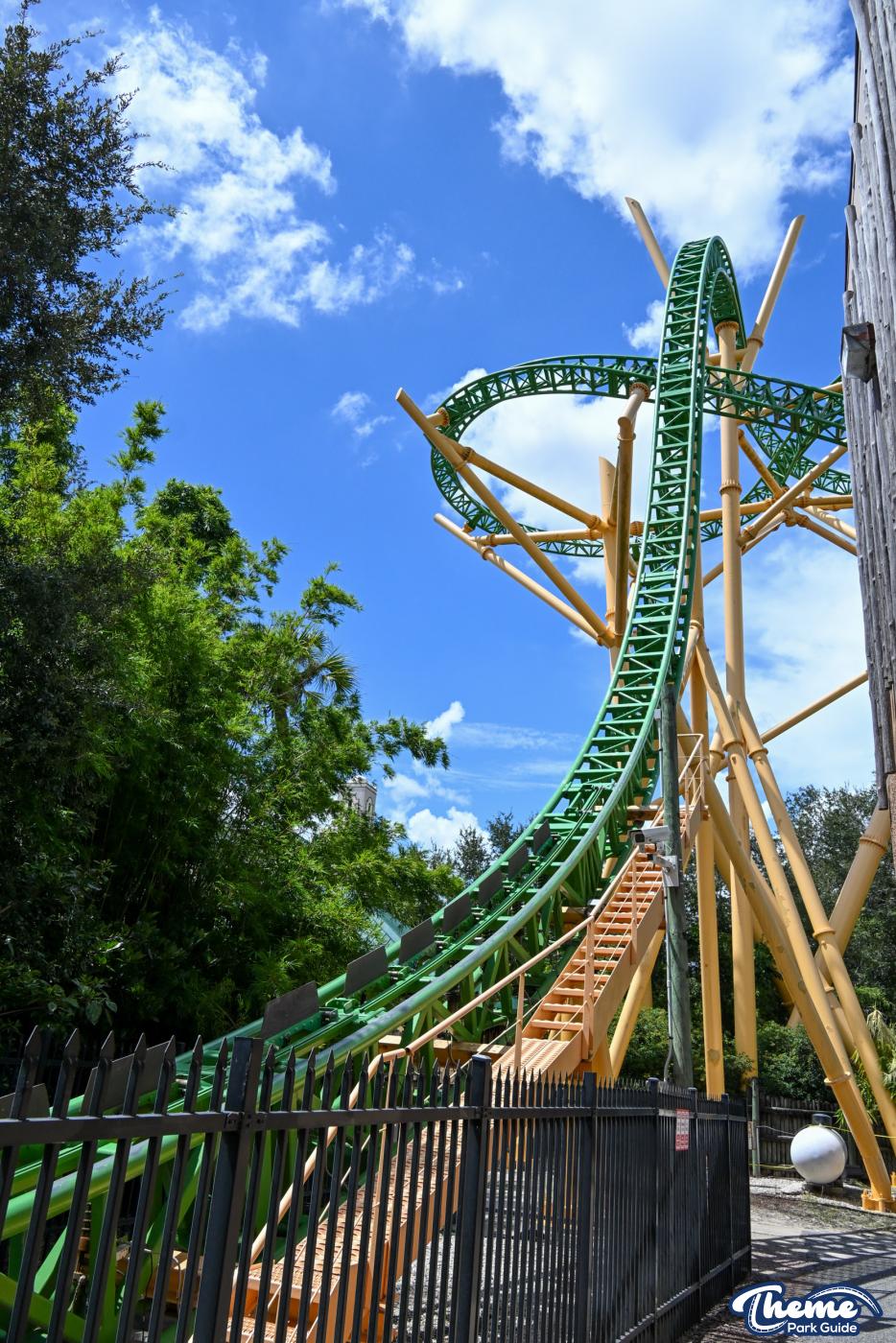
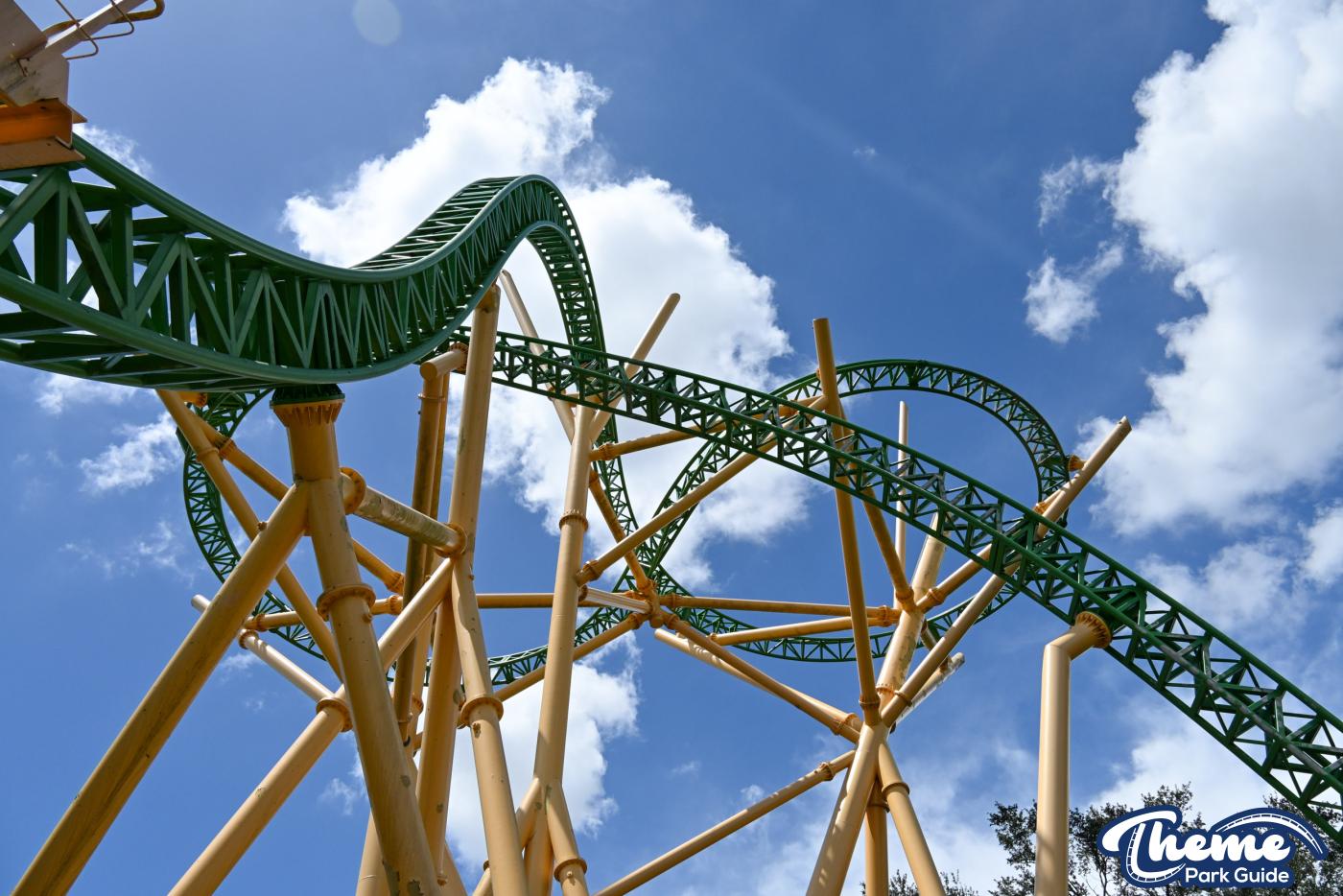
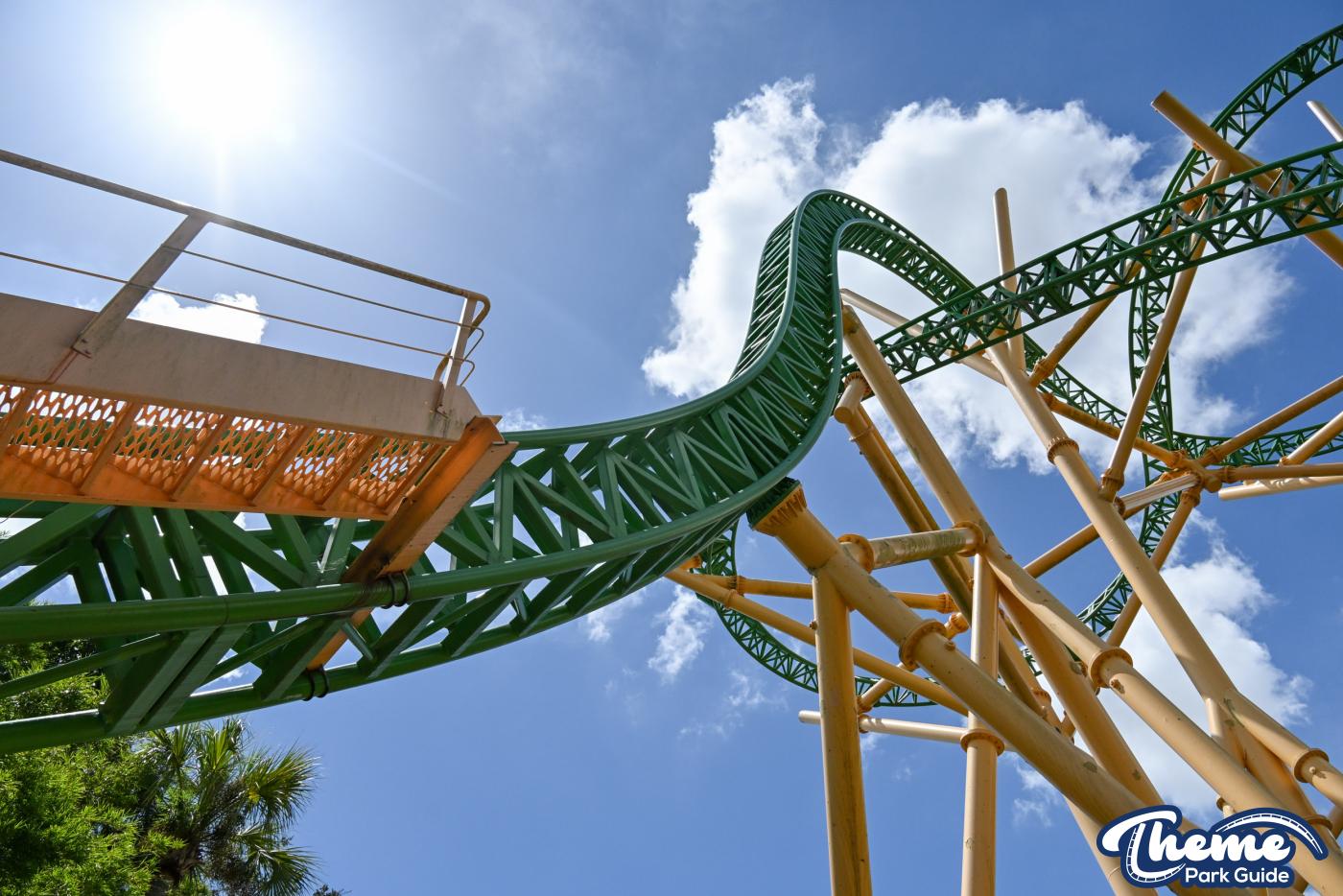
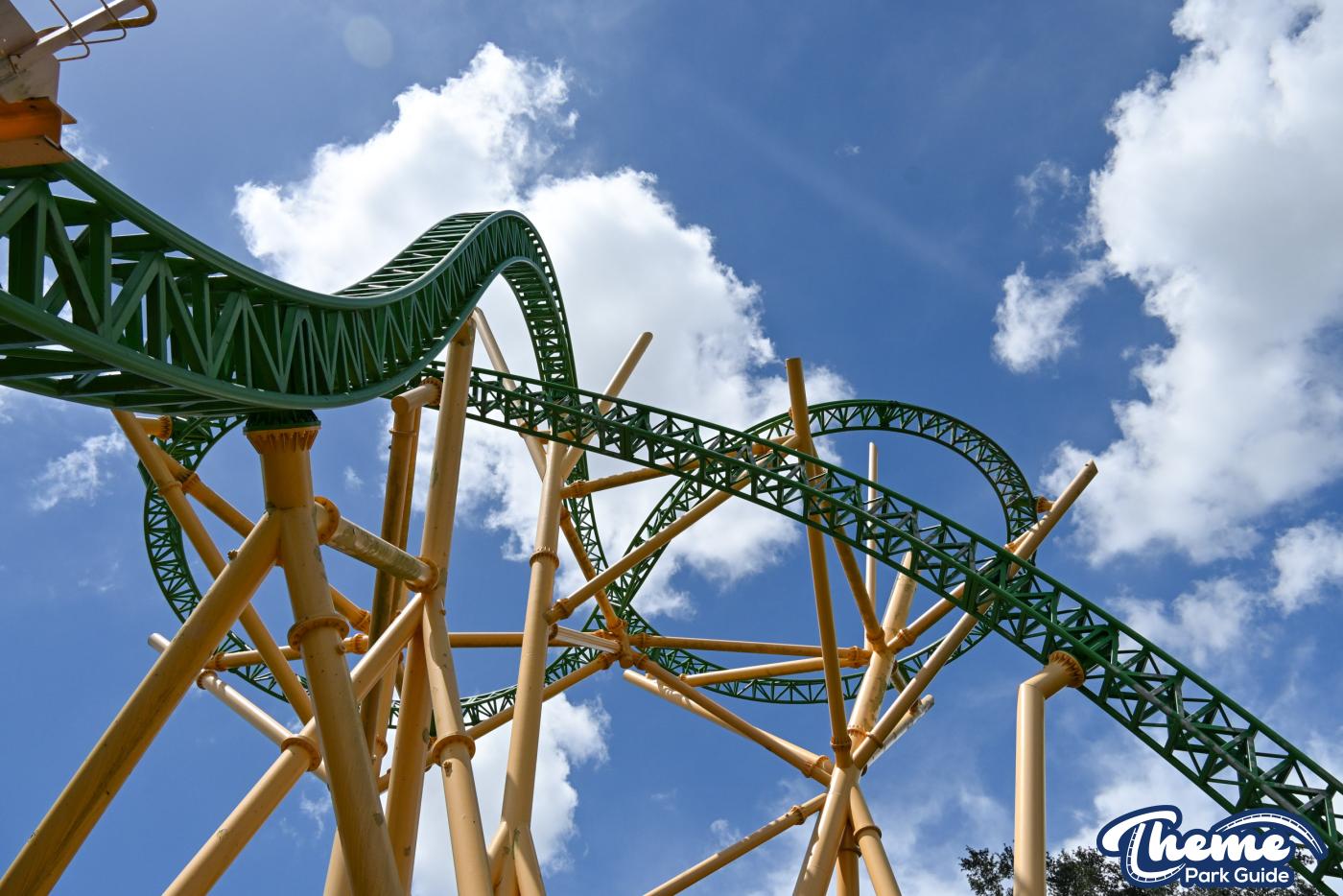
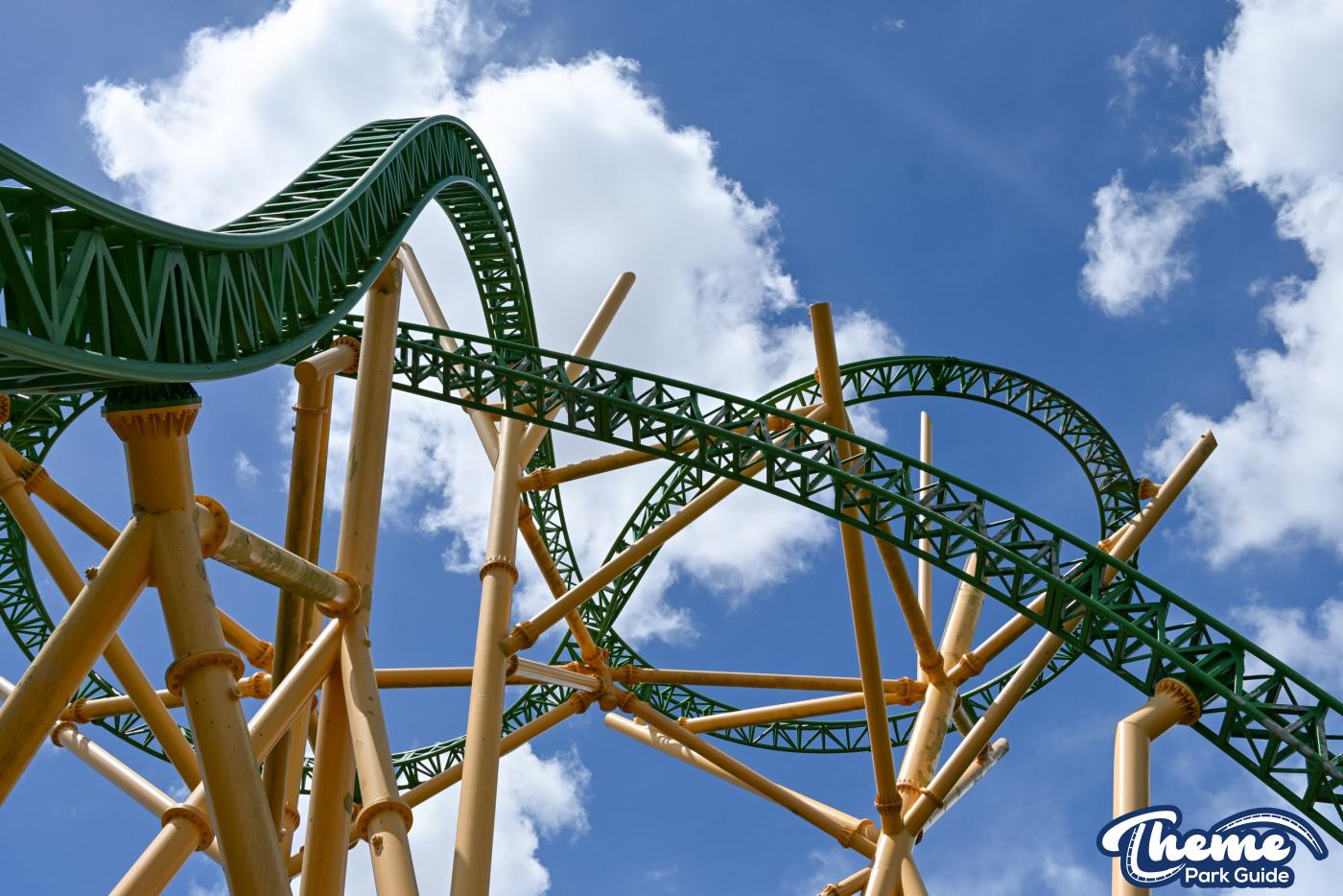
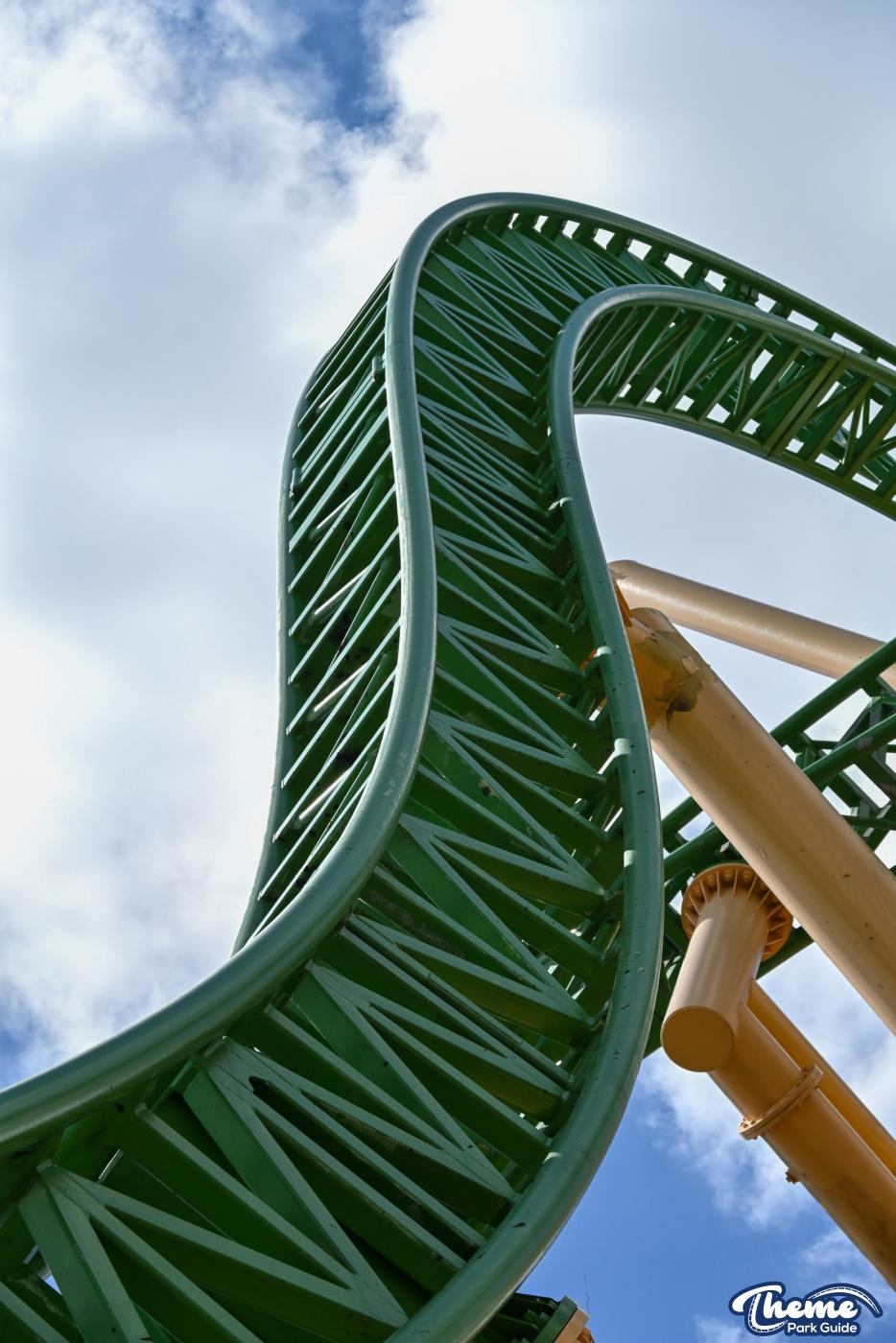
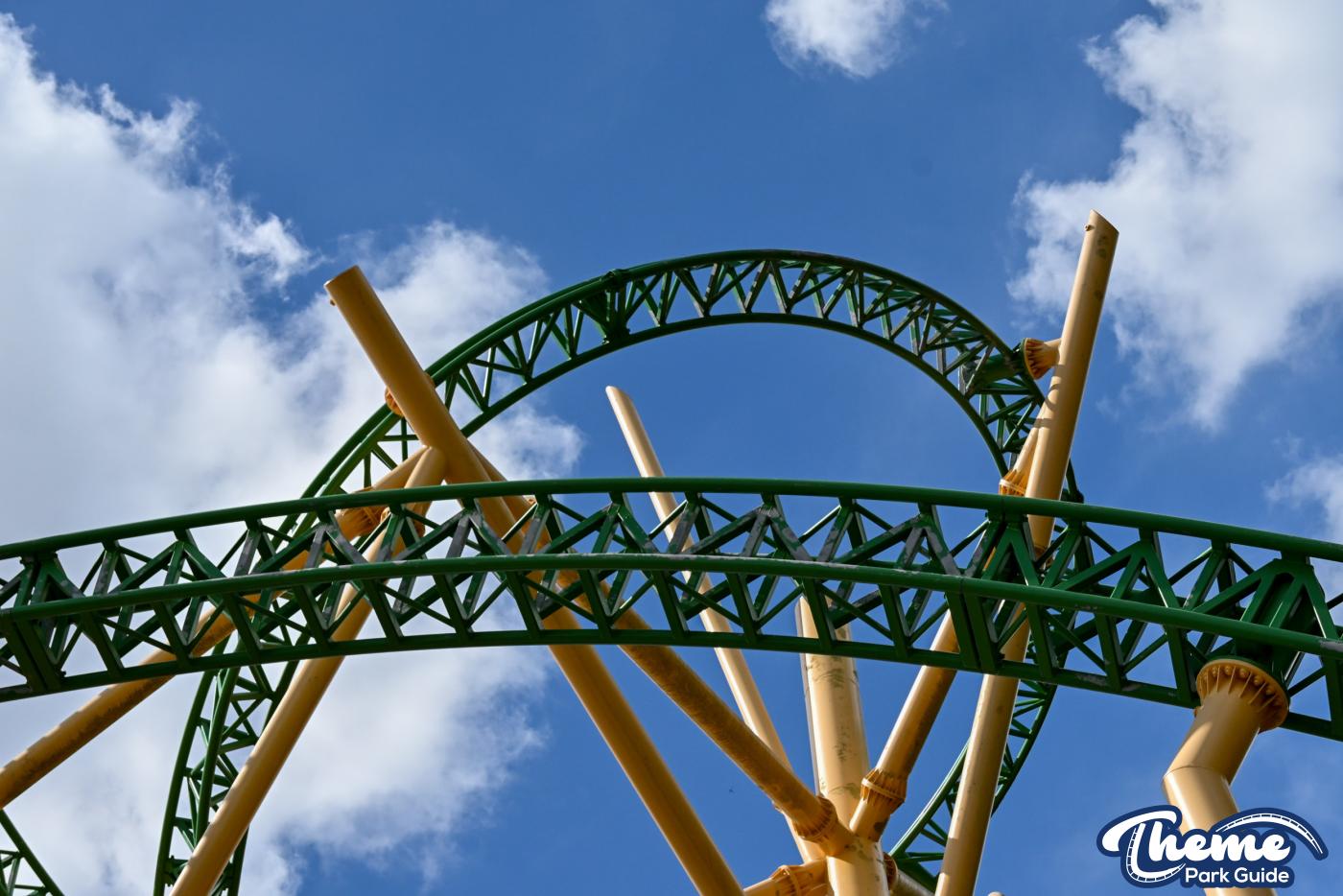
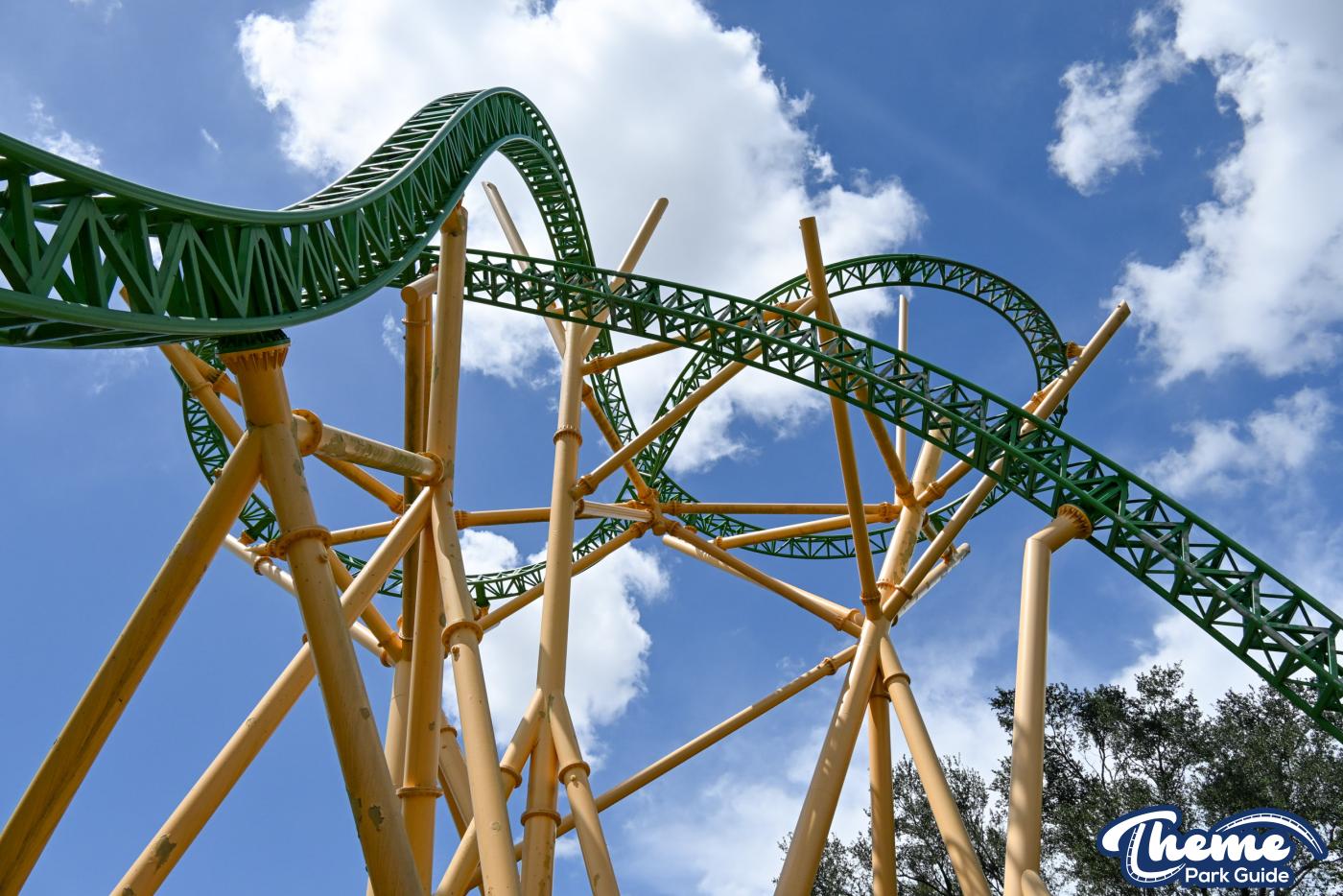
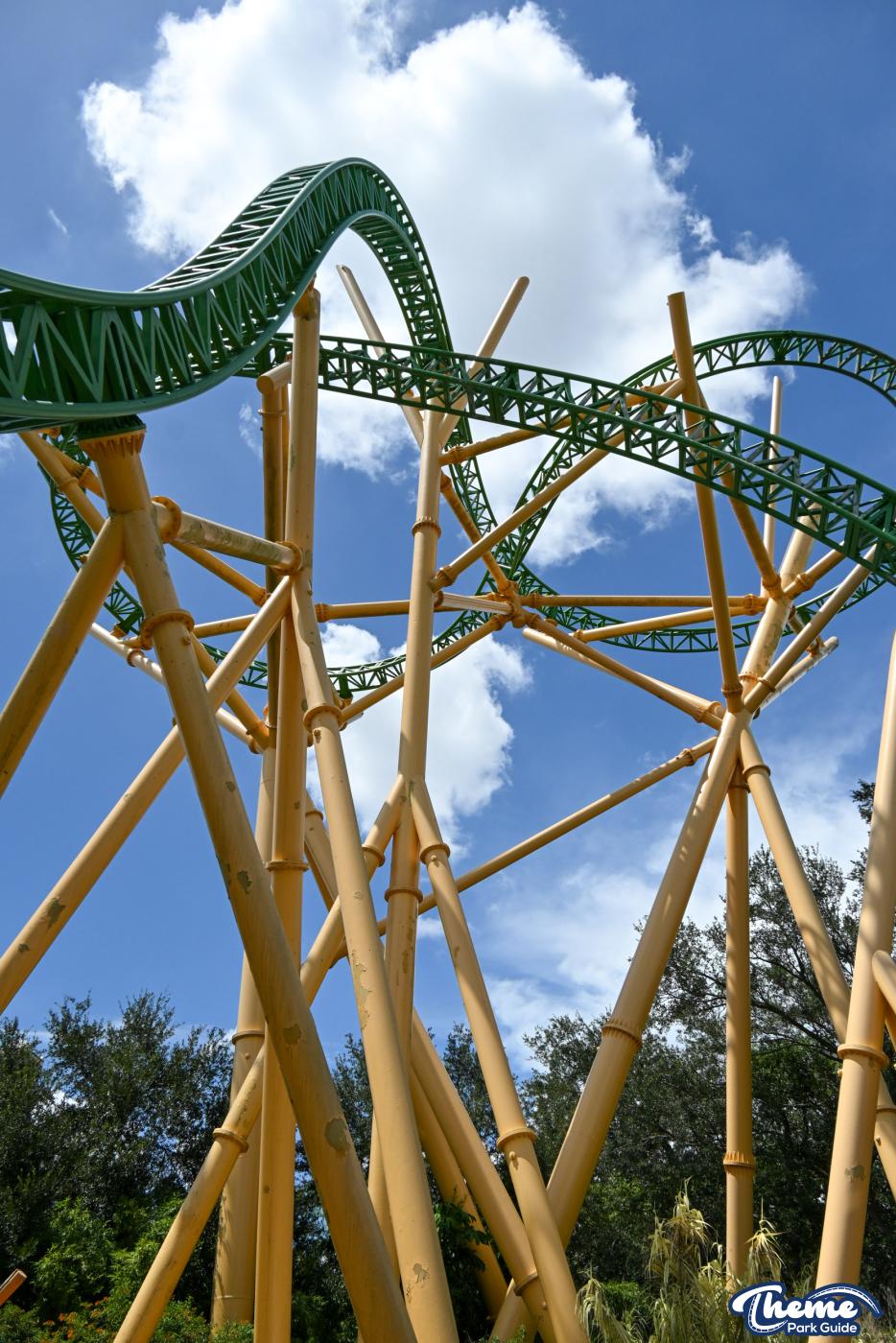
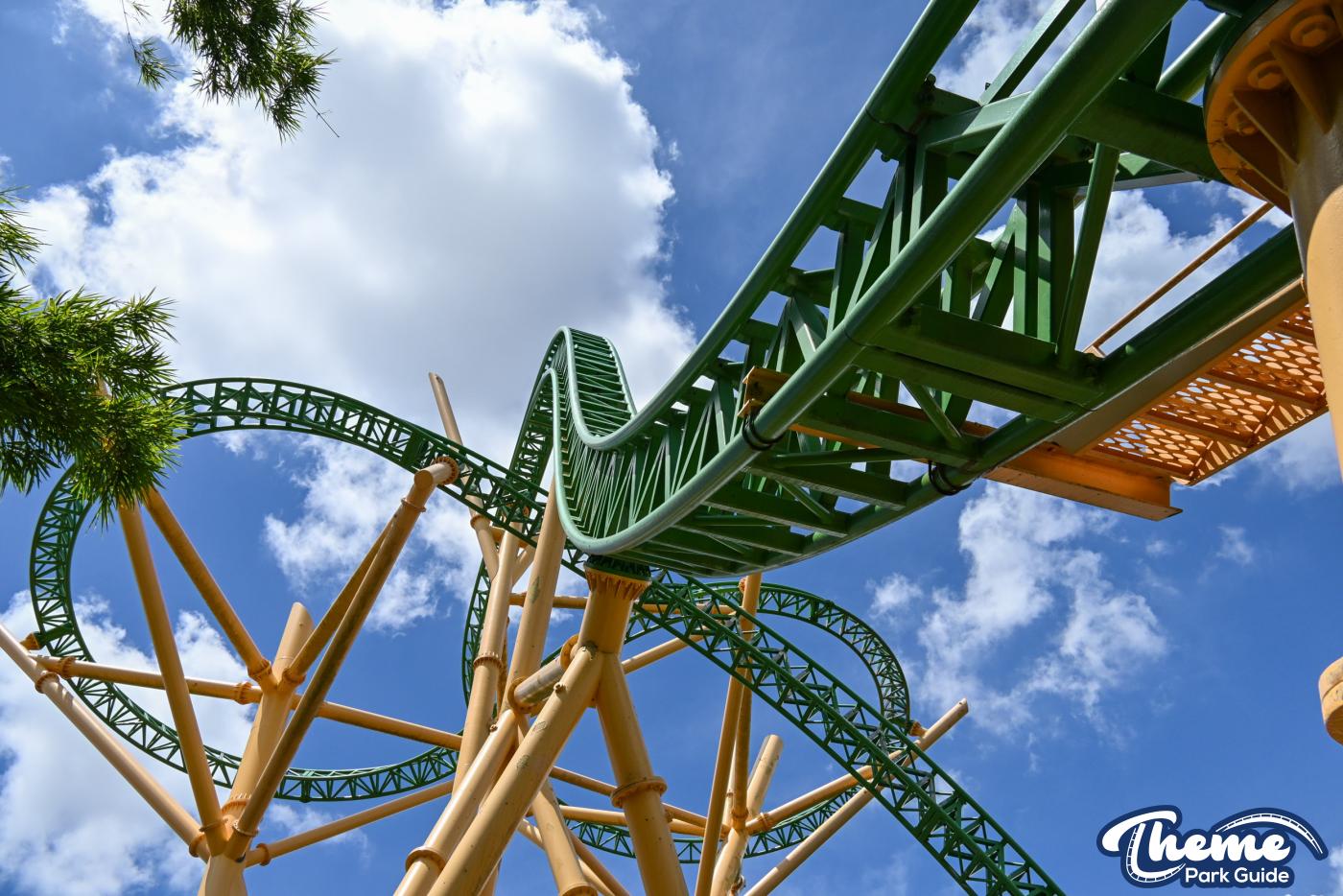
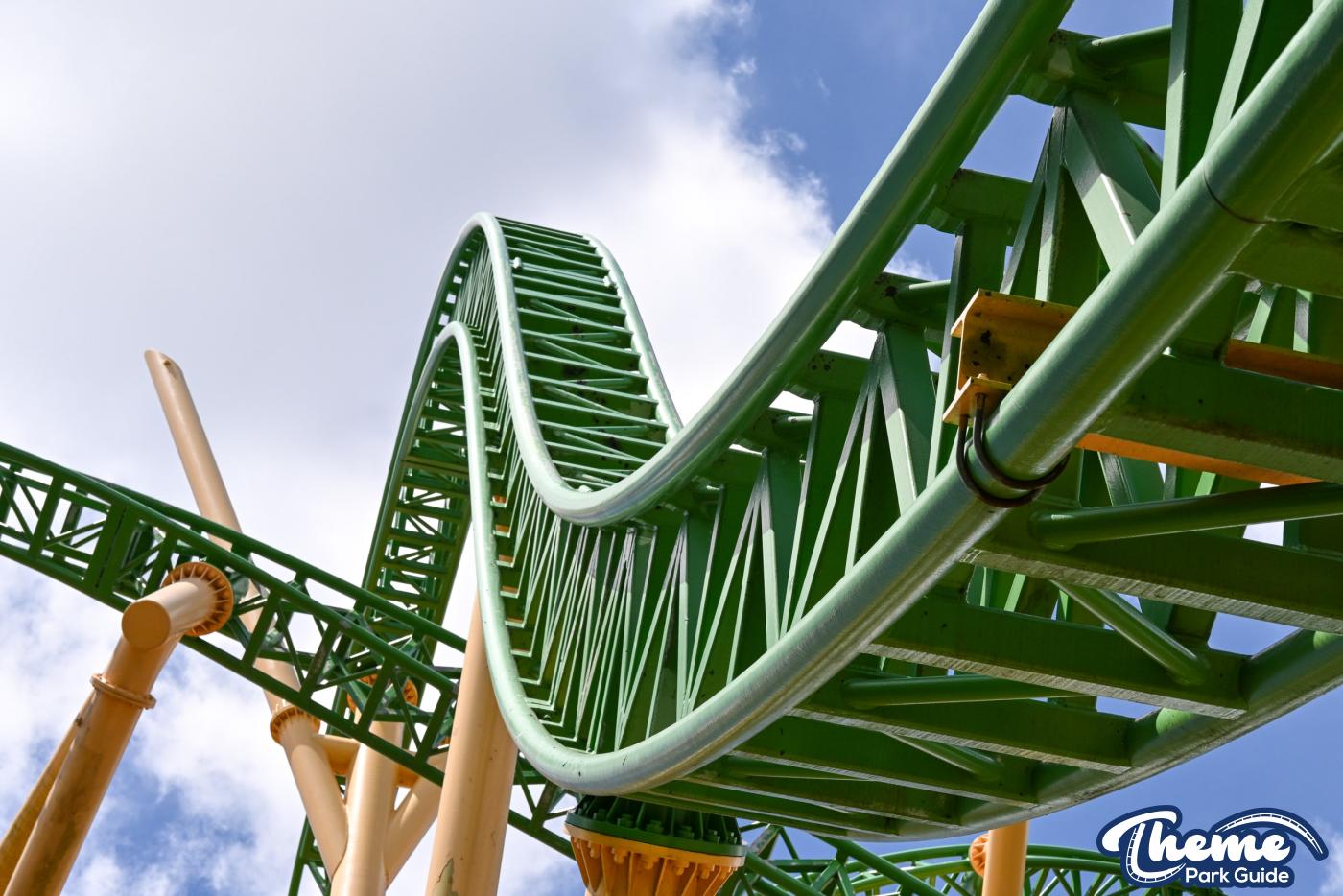
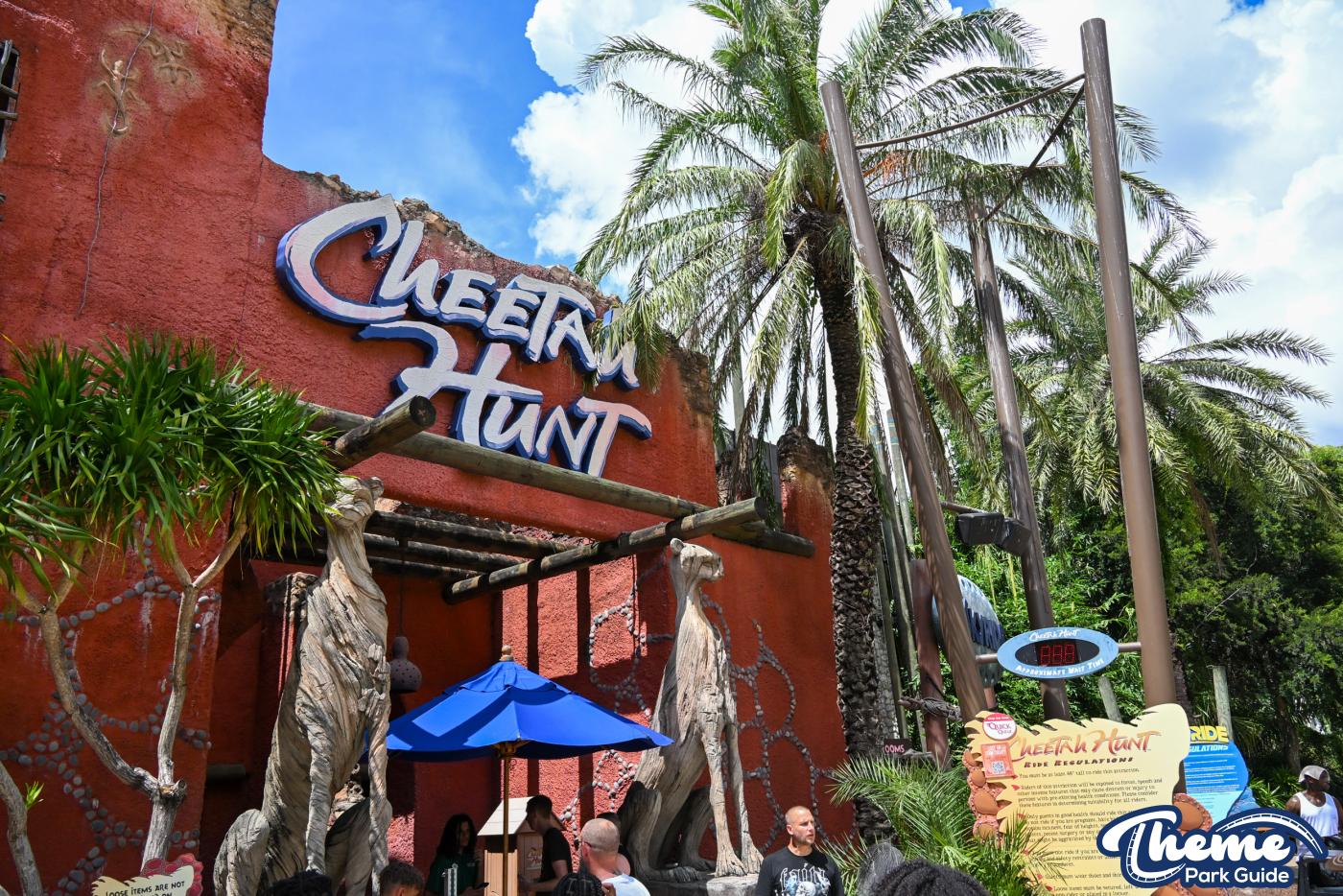
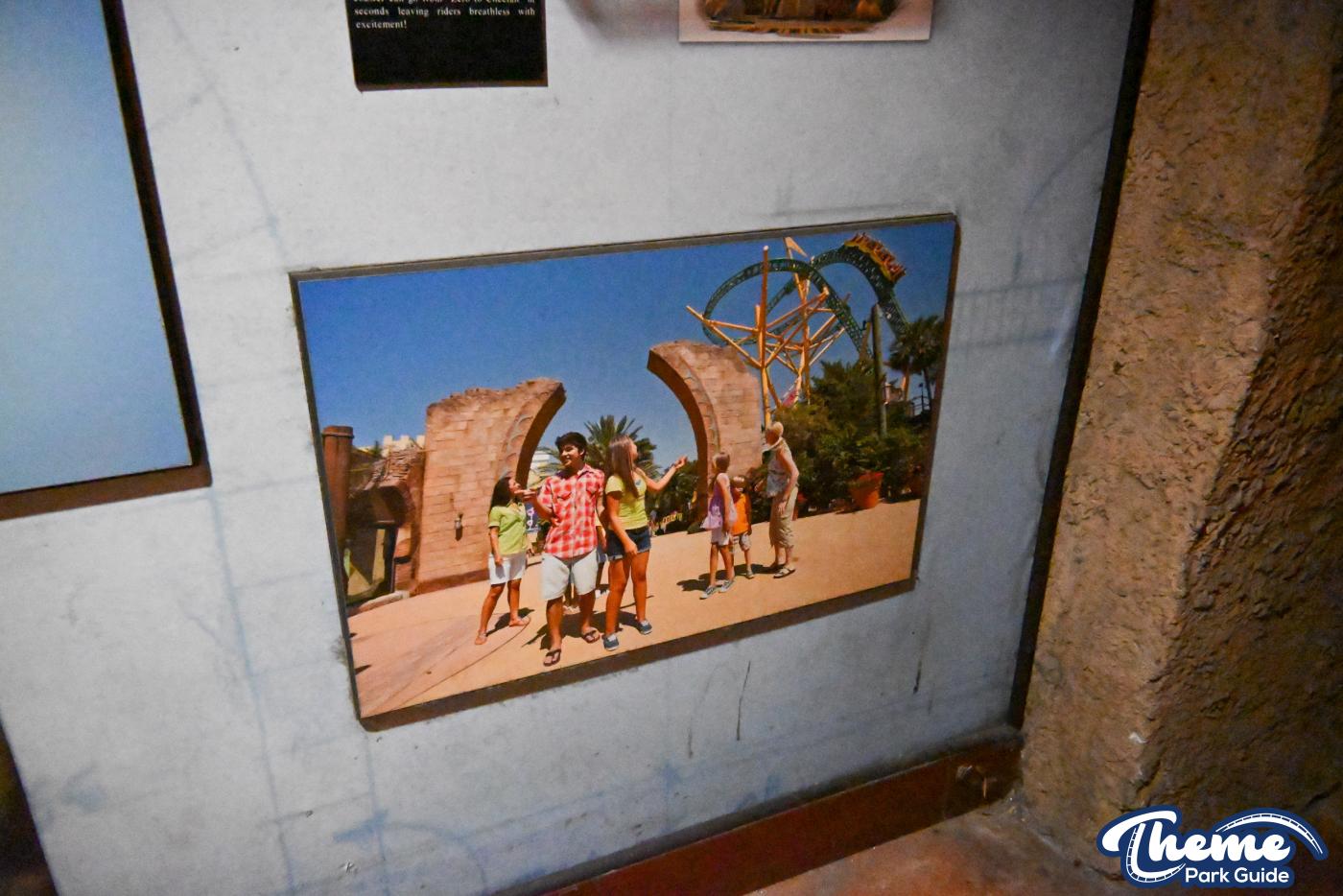
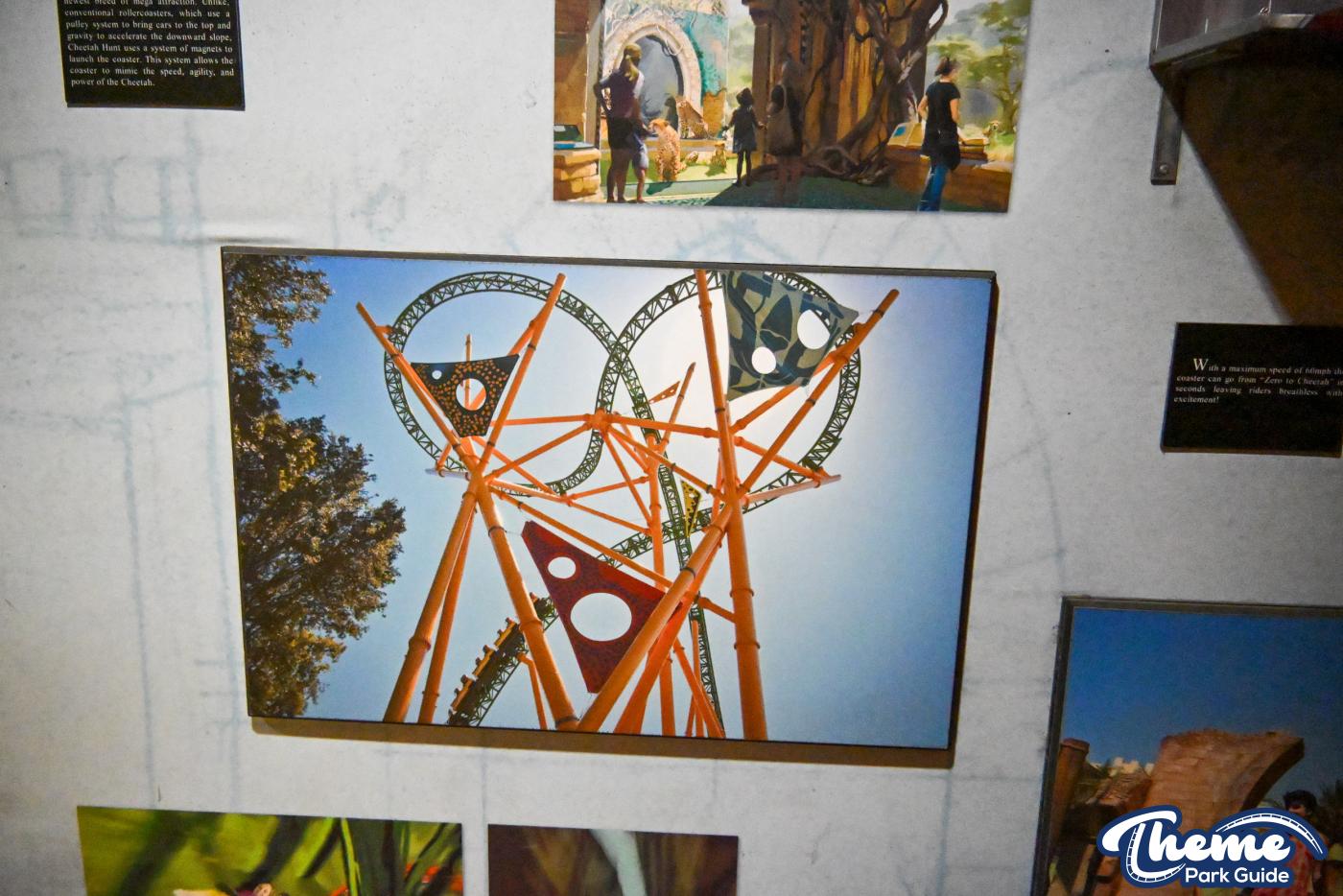
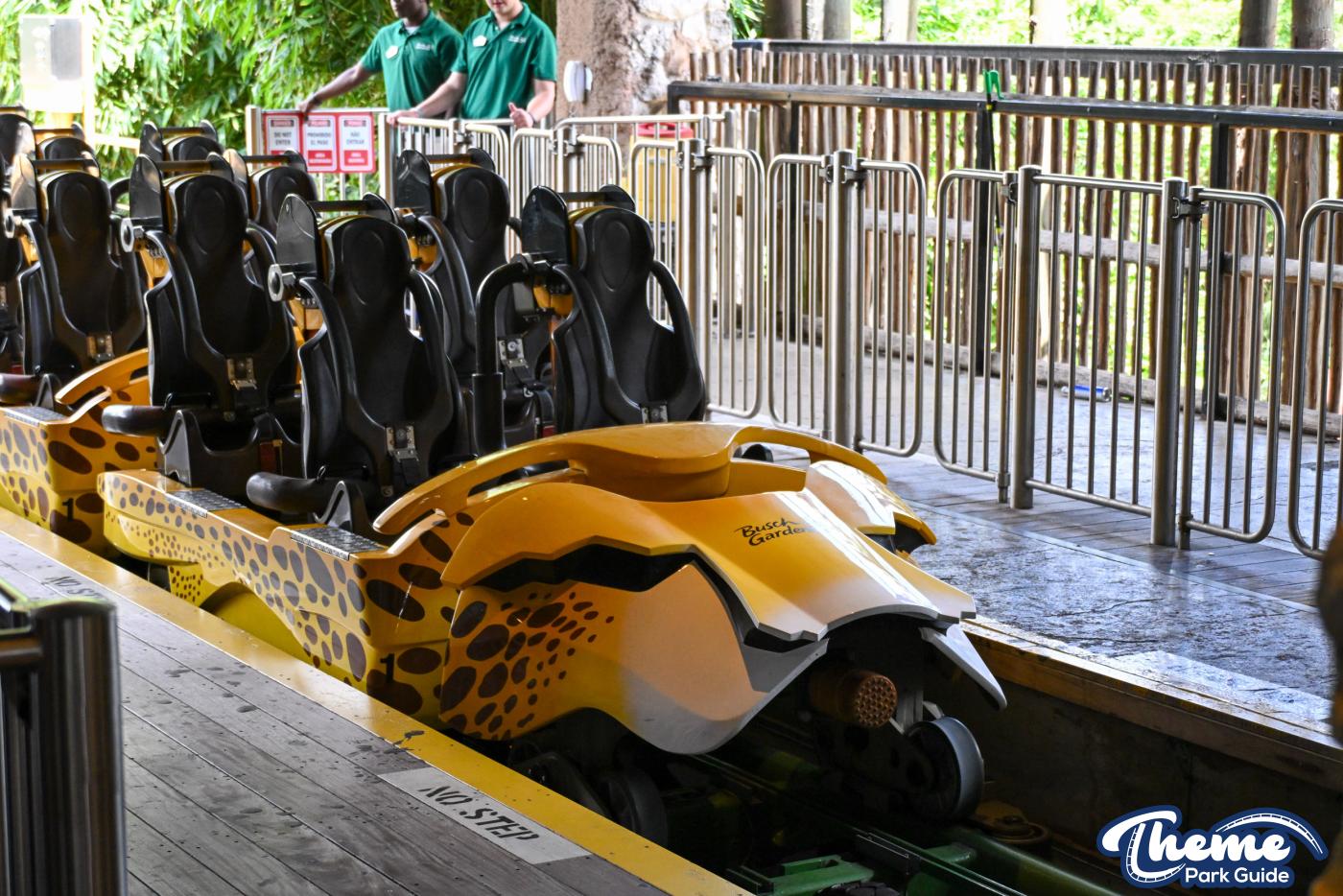
Our first stop was Cheetah Hunt, Busch Gardens' multi-launch rollercoaster manufactured by Intamin. This was one of the most fascinating parts of the tour, giving us a much better understanding of how the ride's launch systems, safety features and maintenance procedures work.
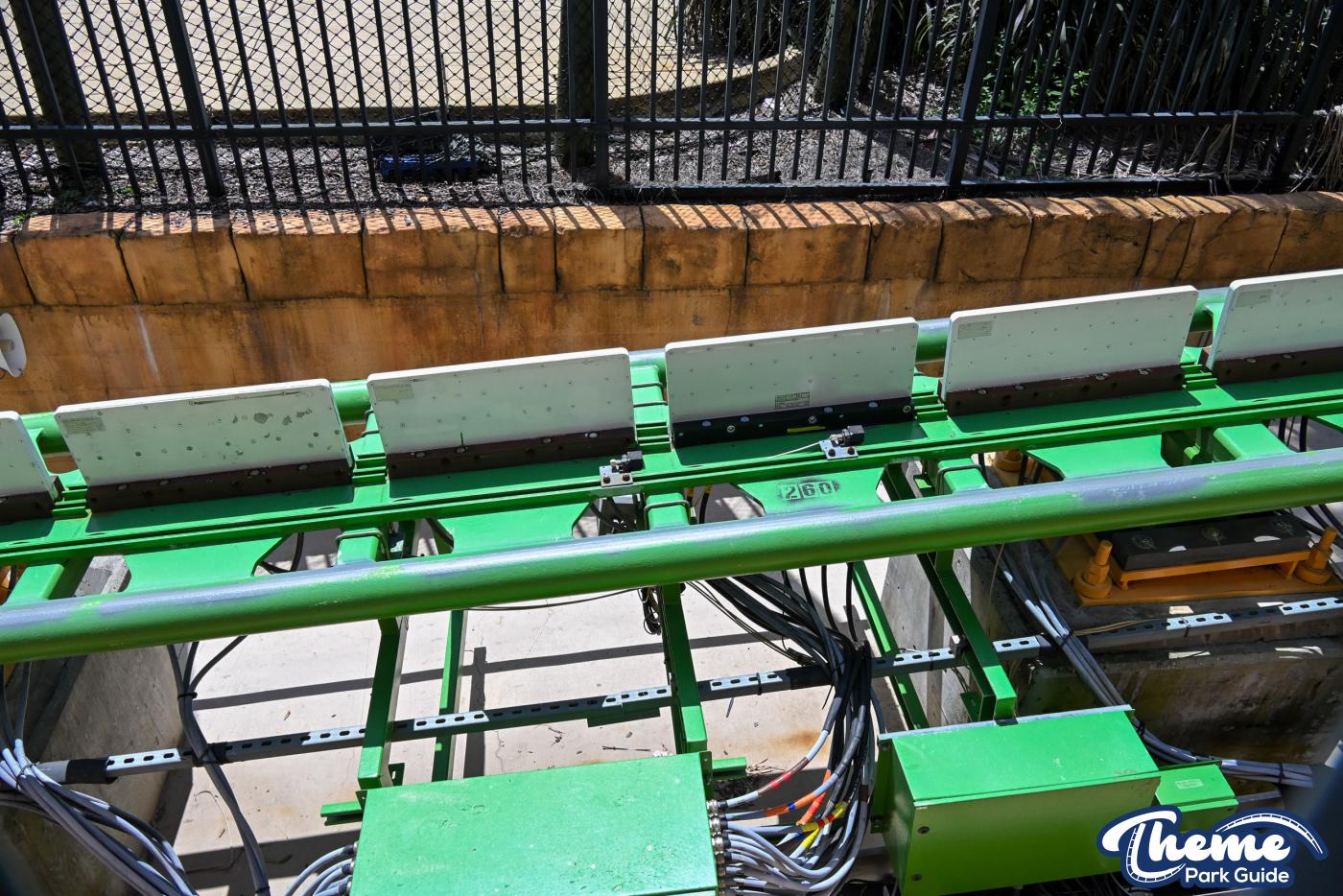
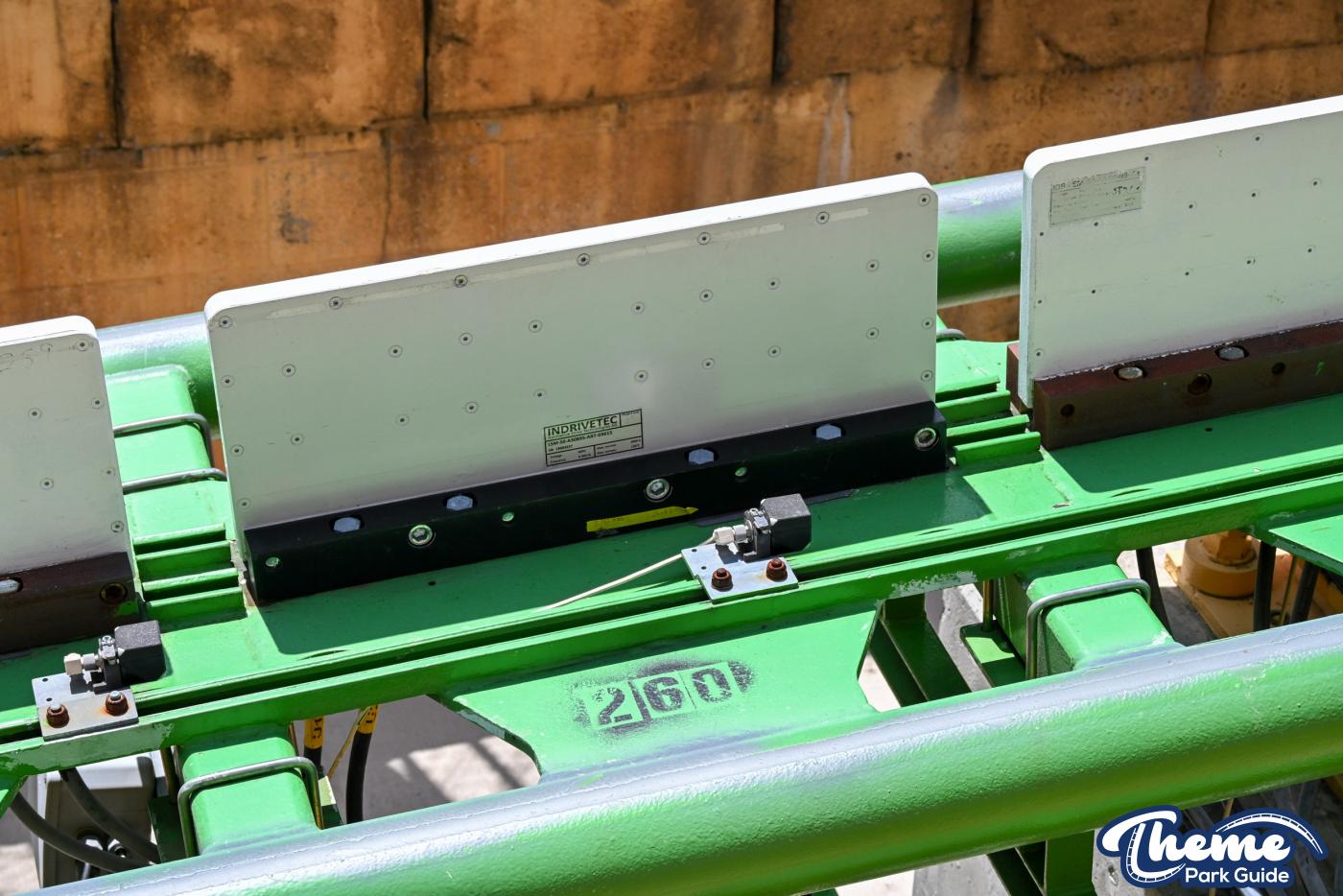
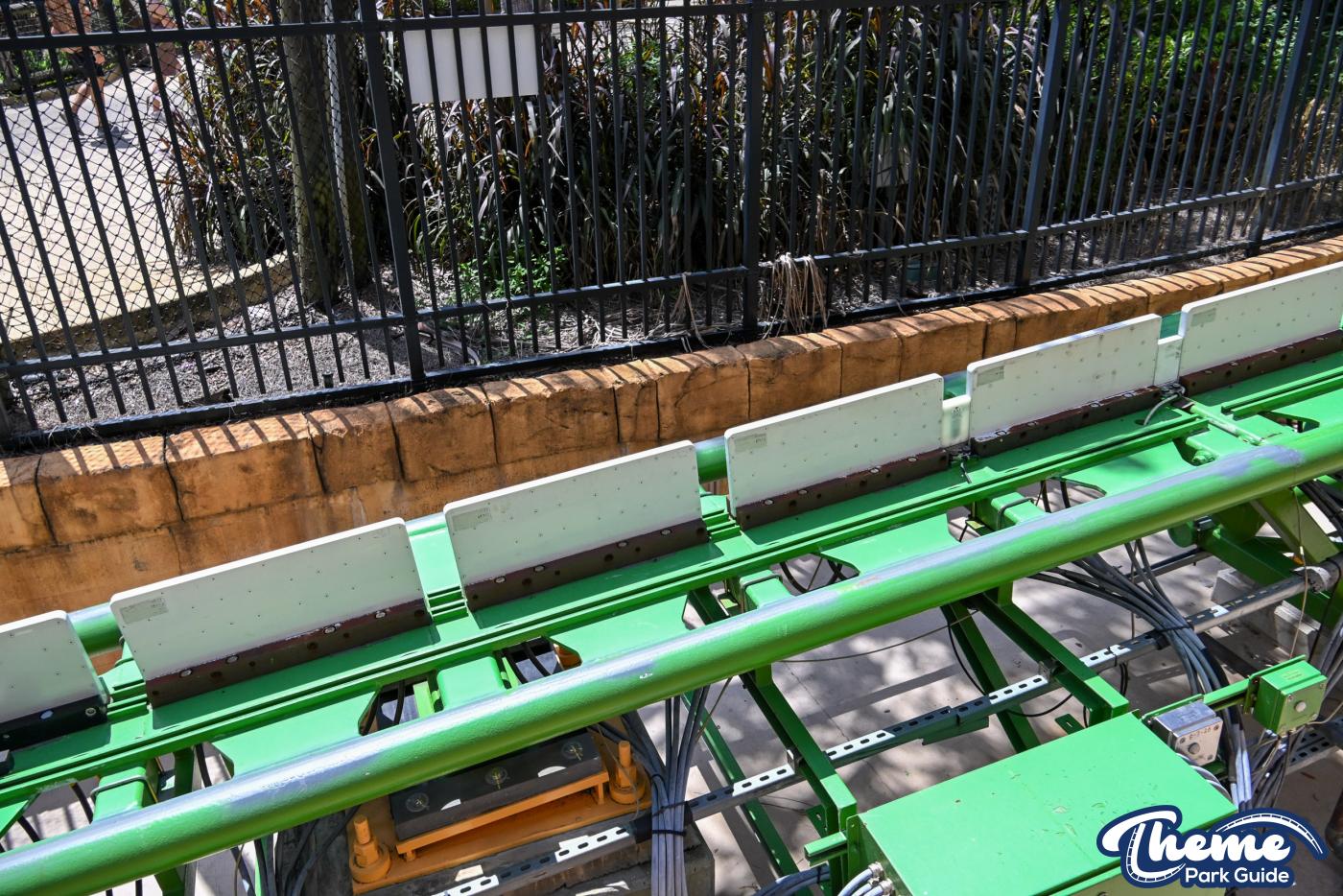
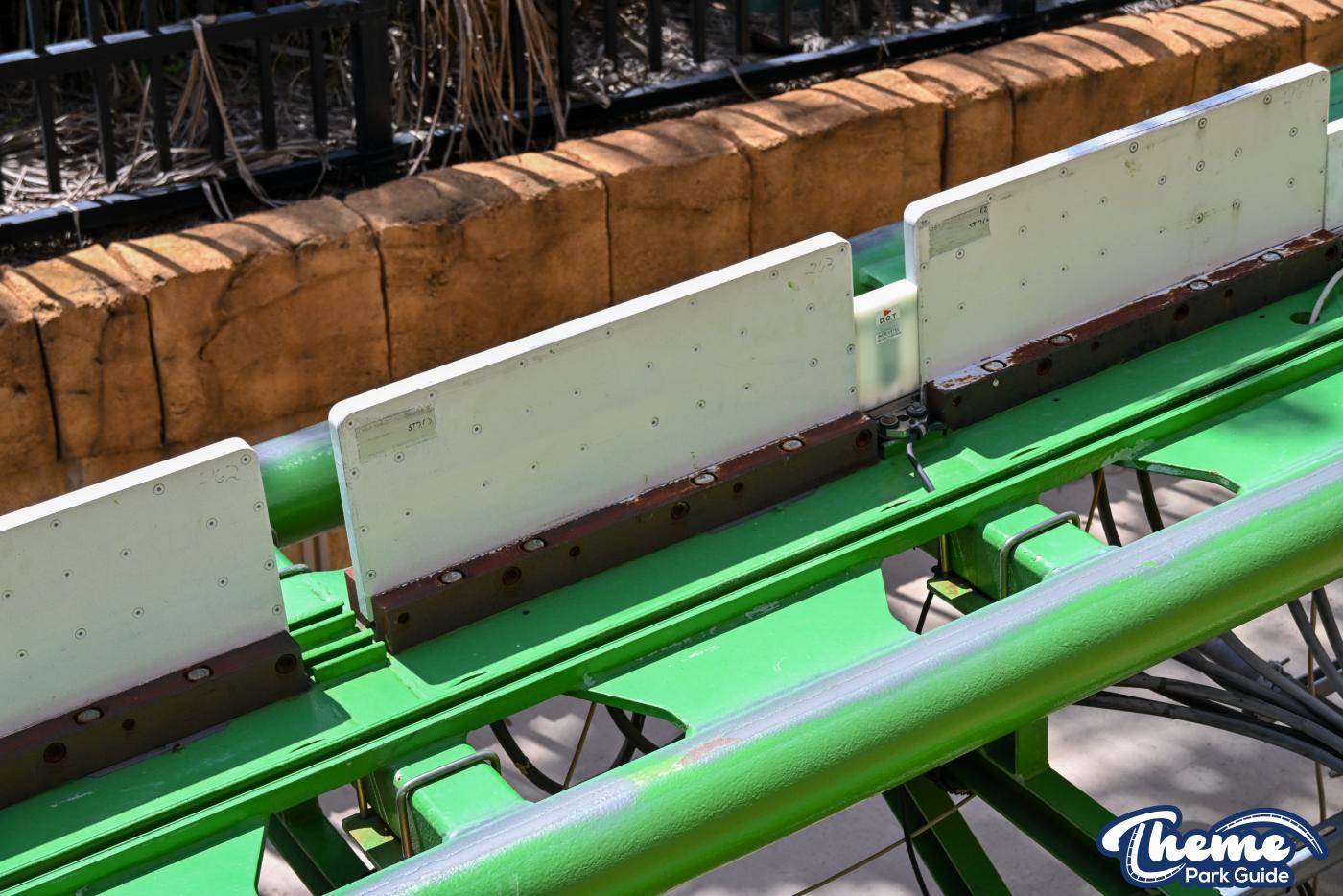
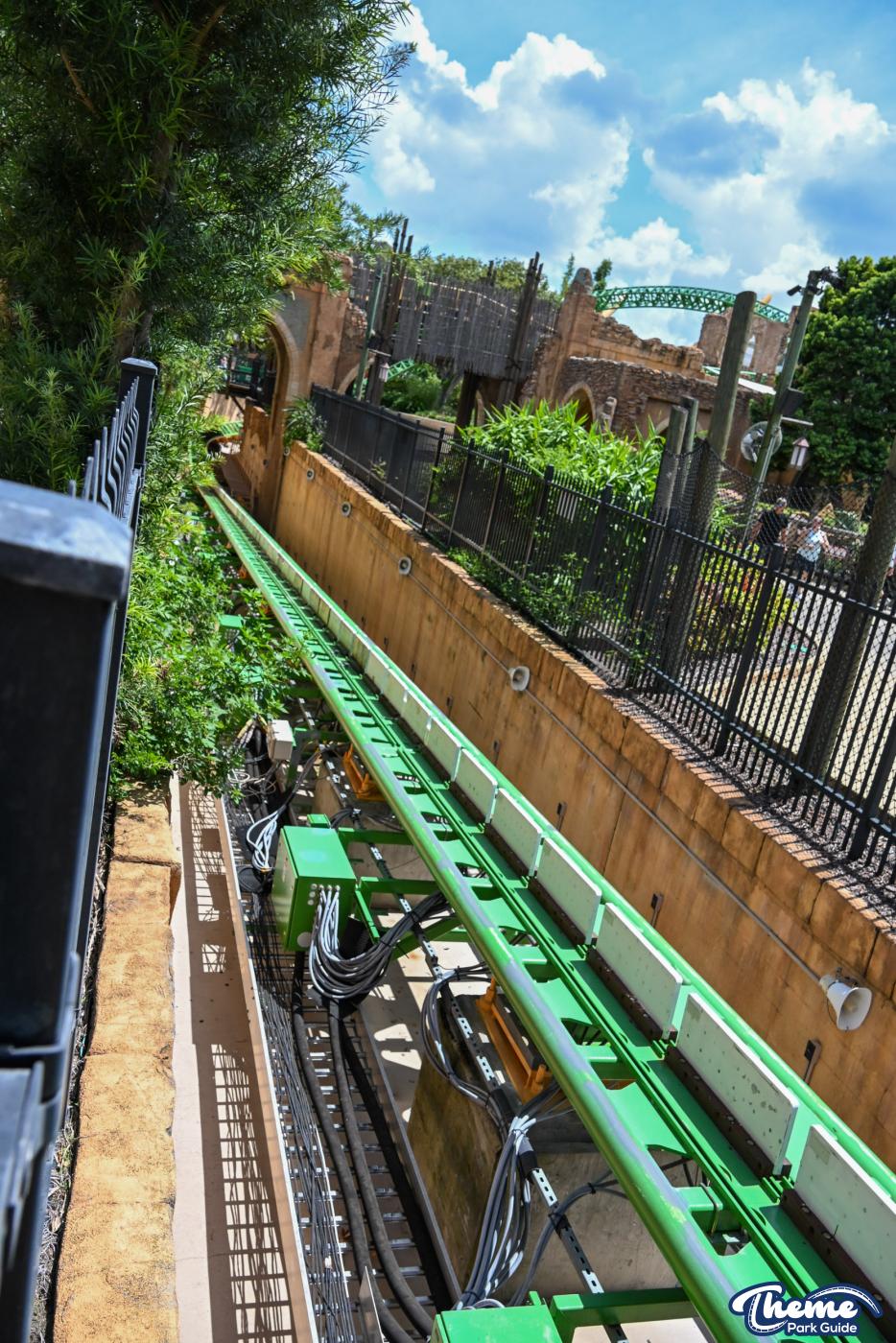
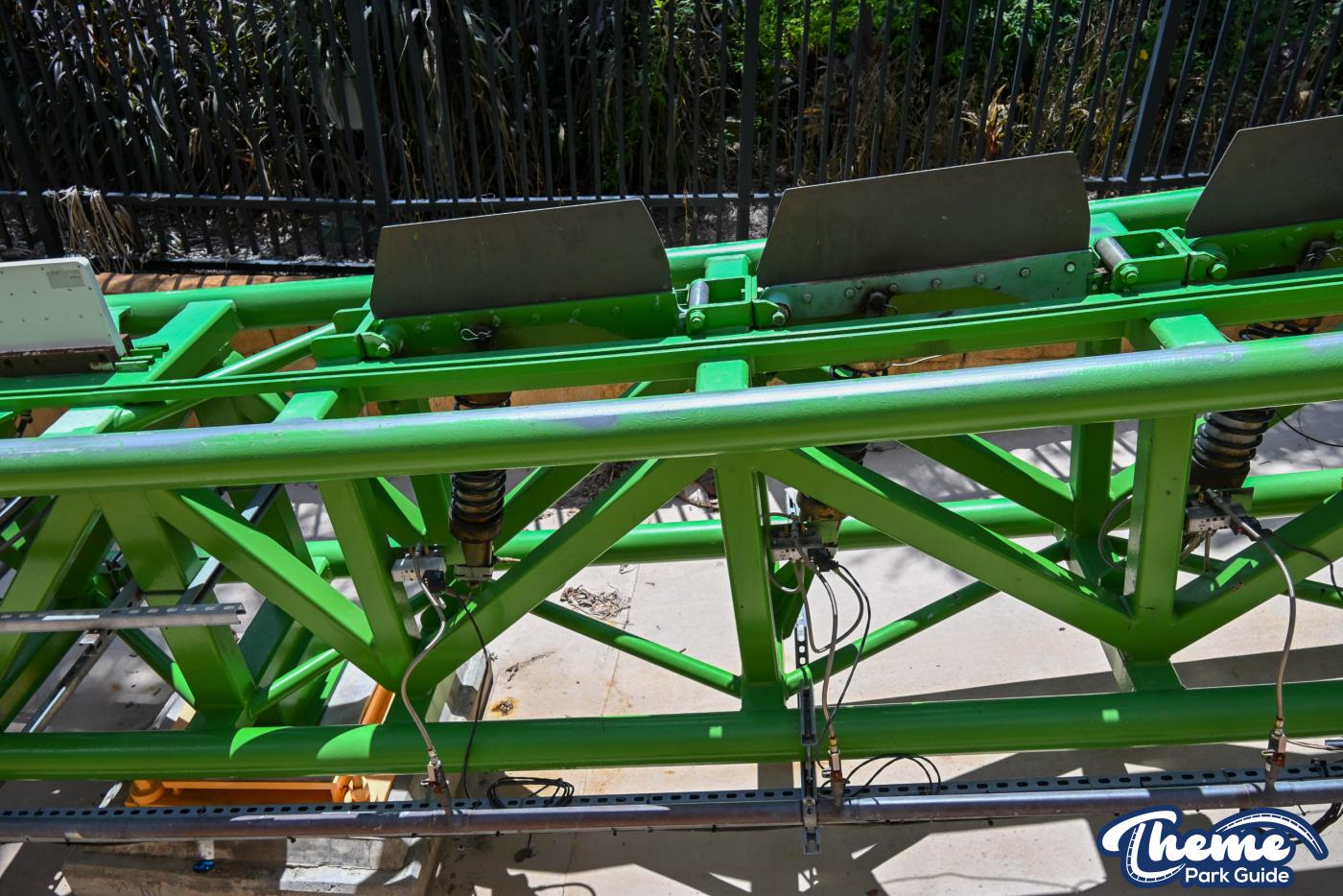
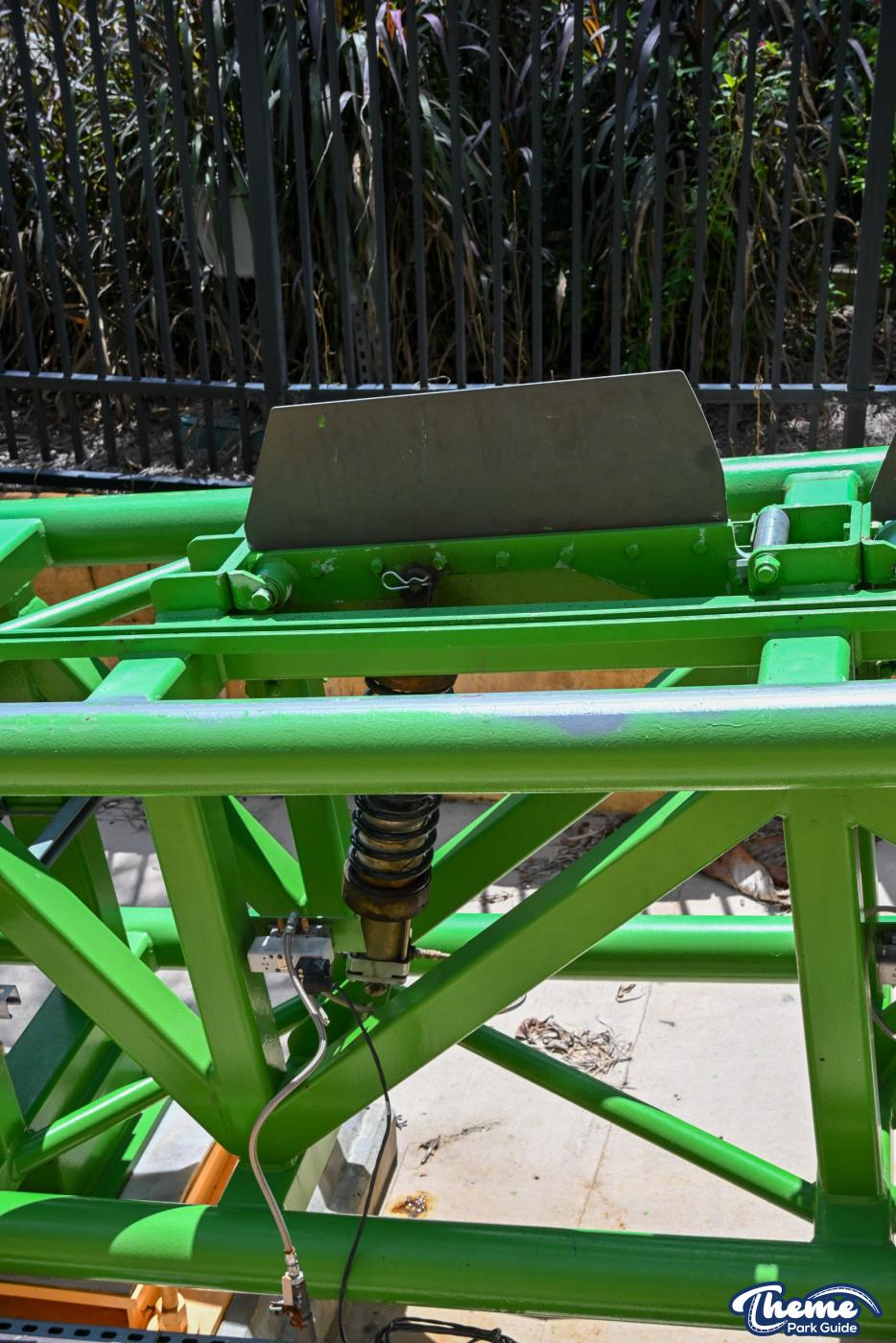
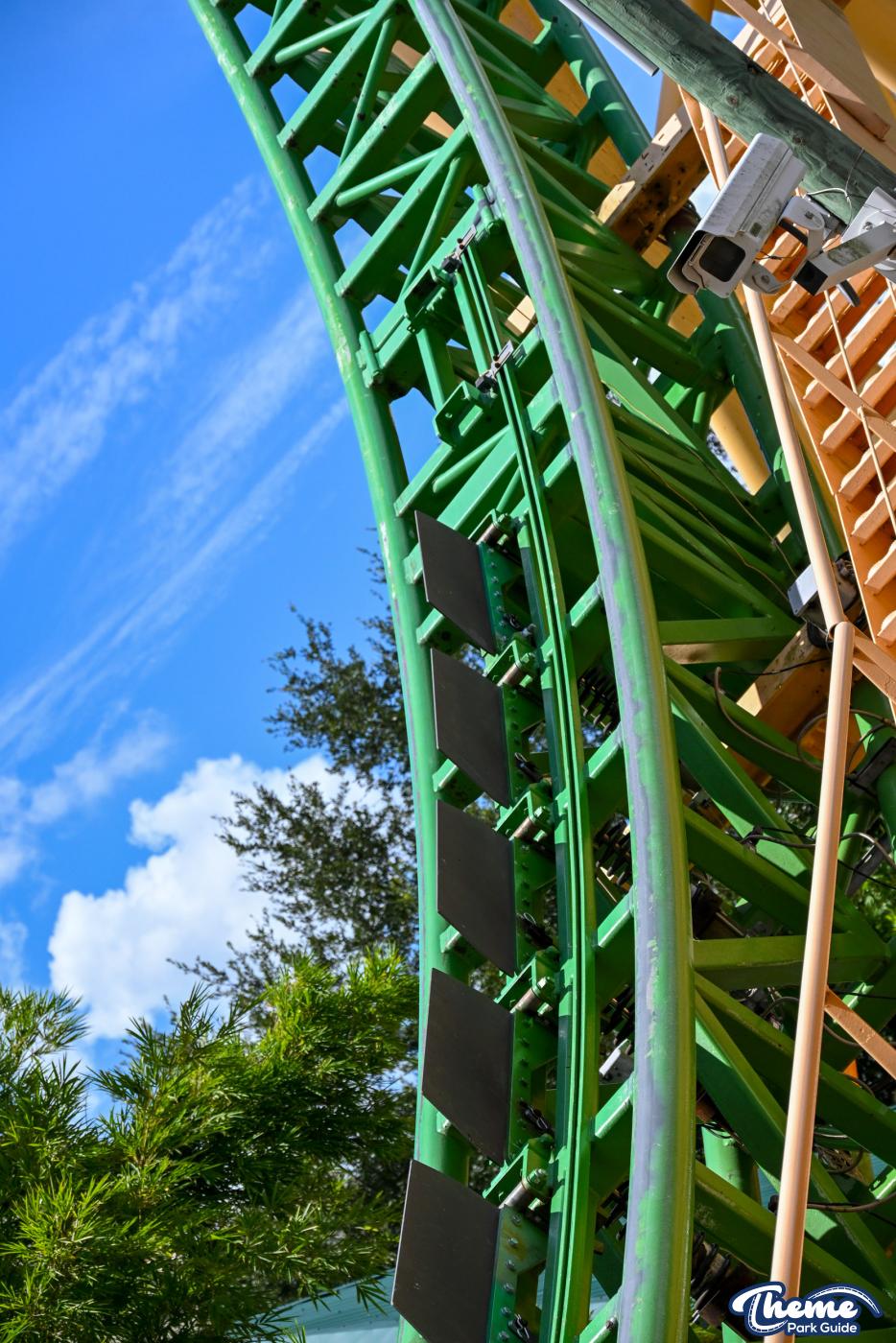
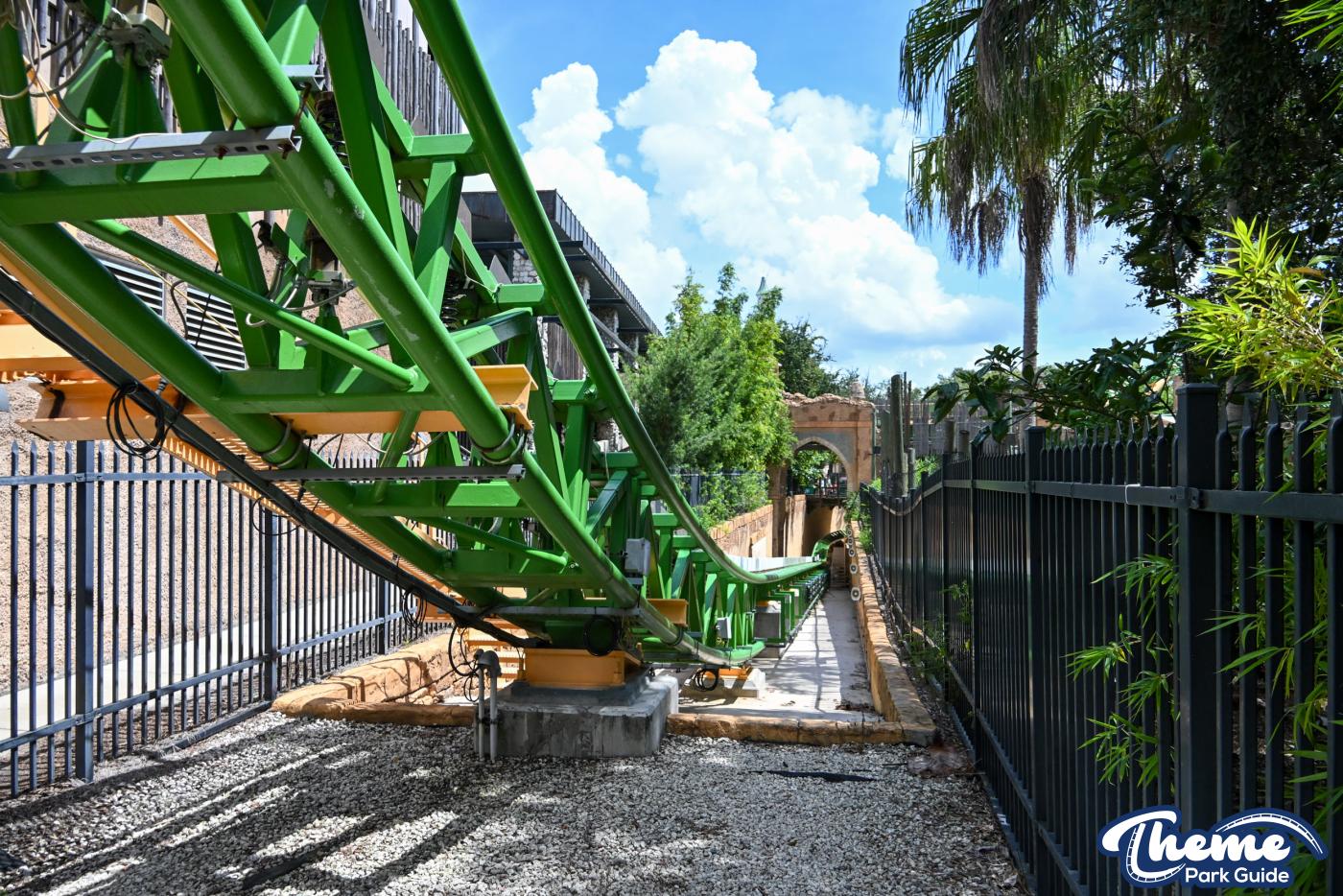
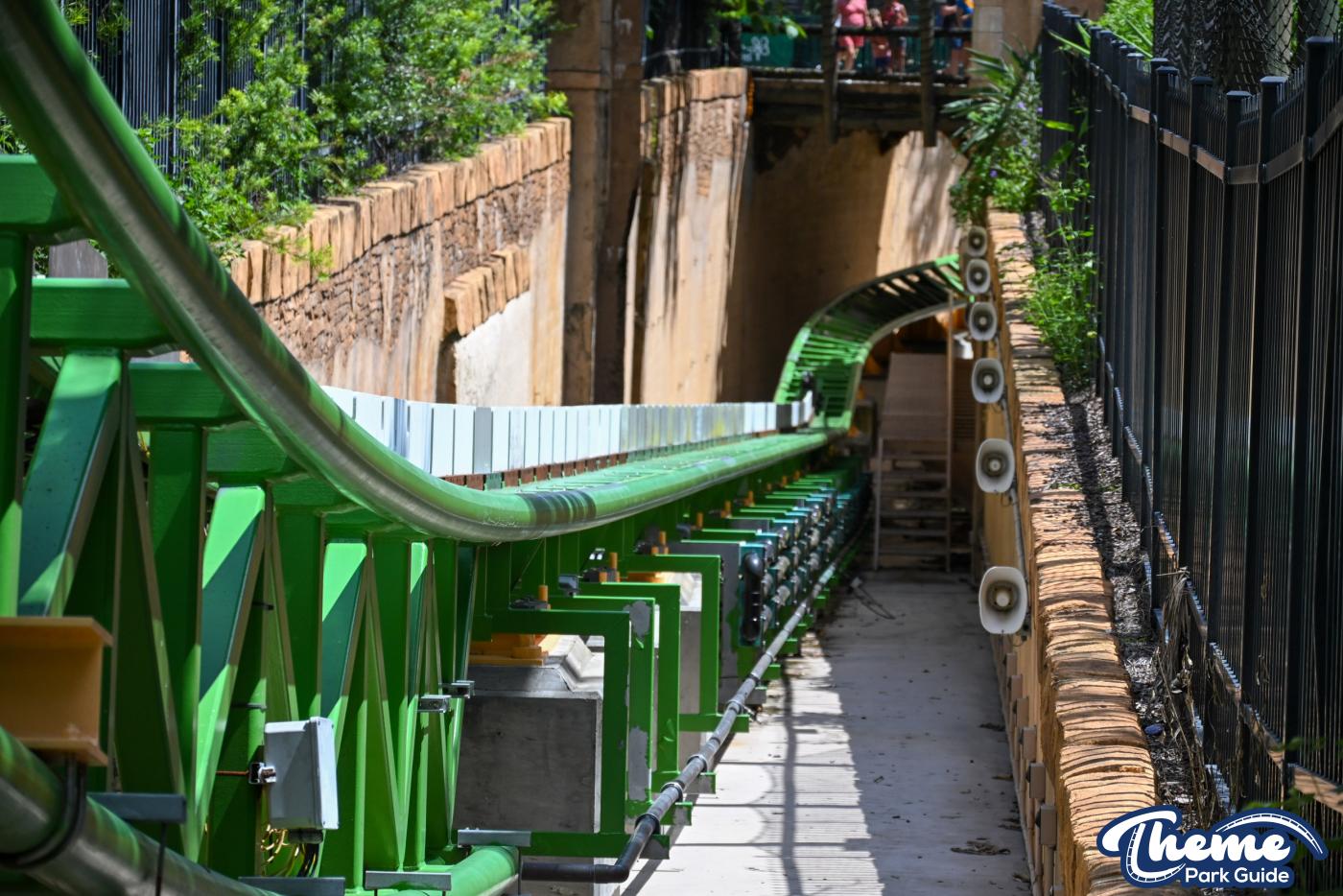
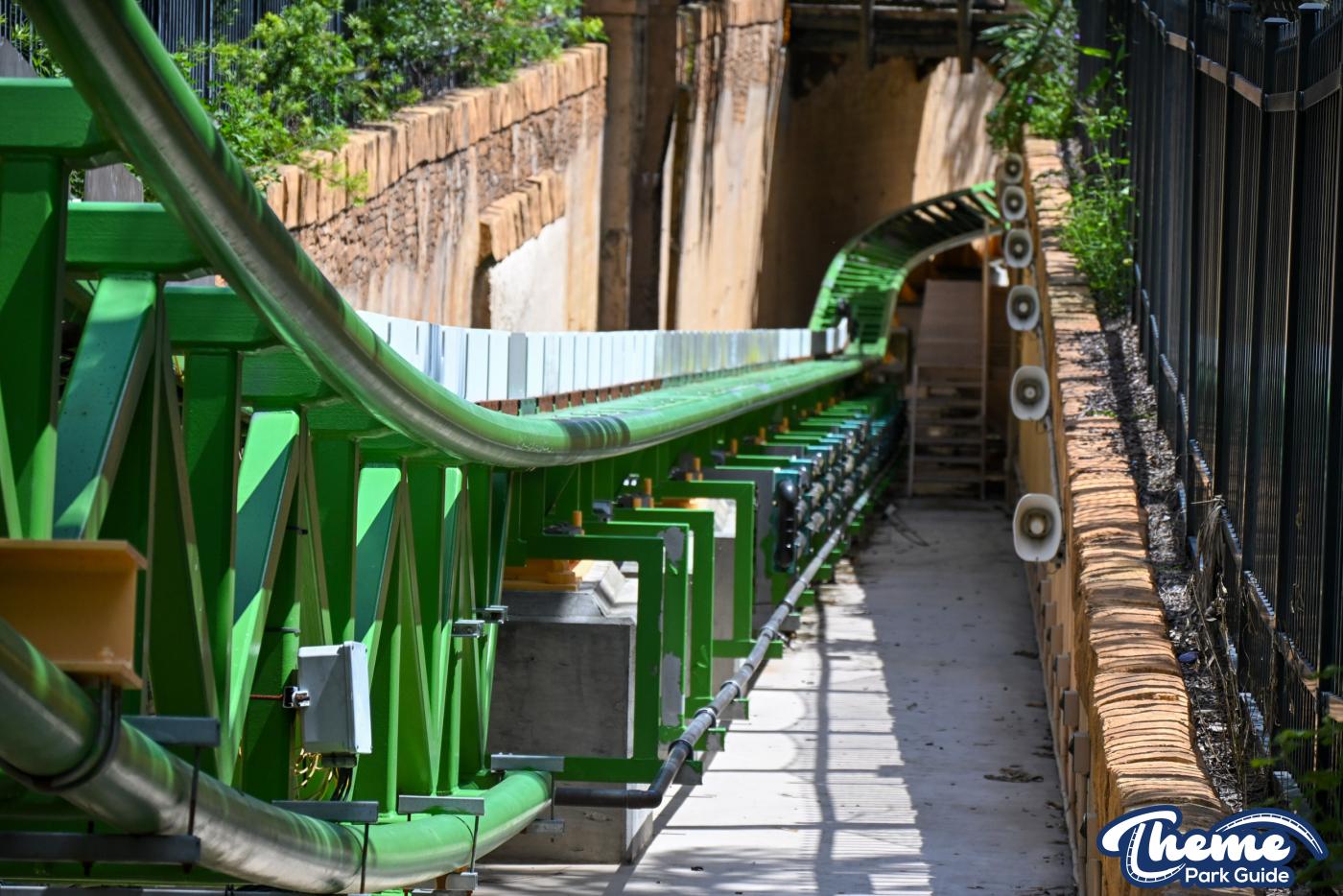
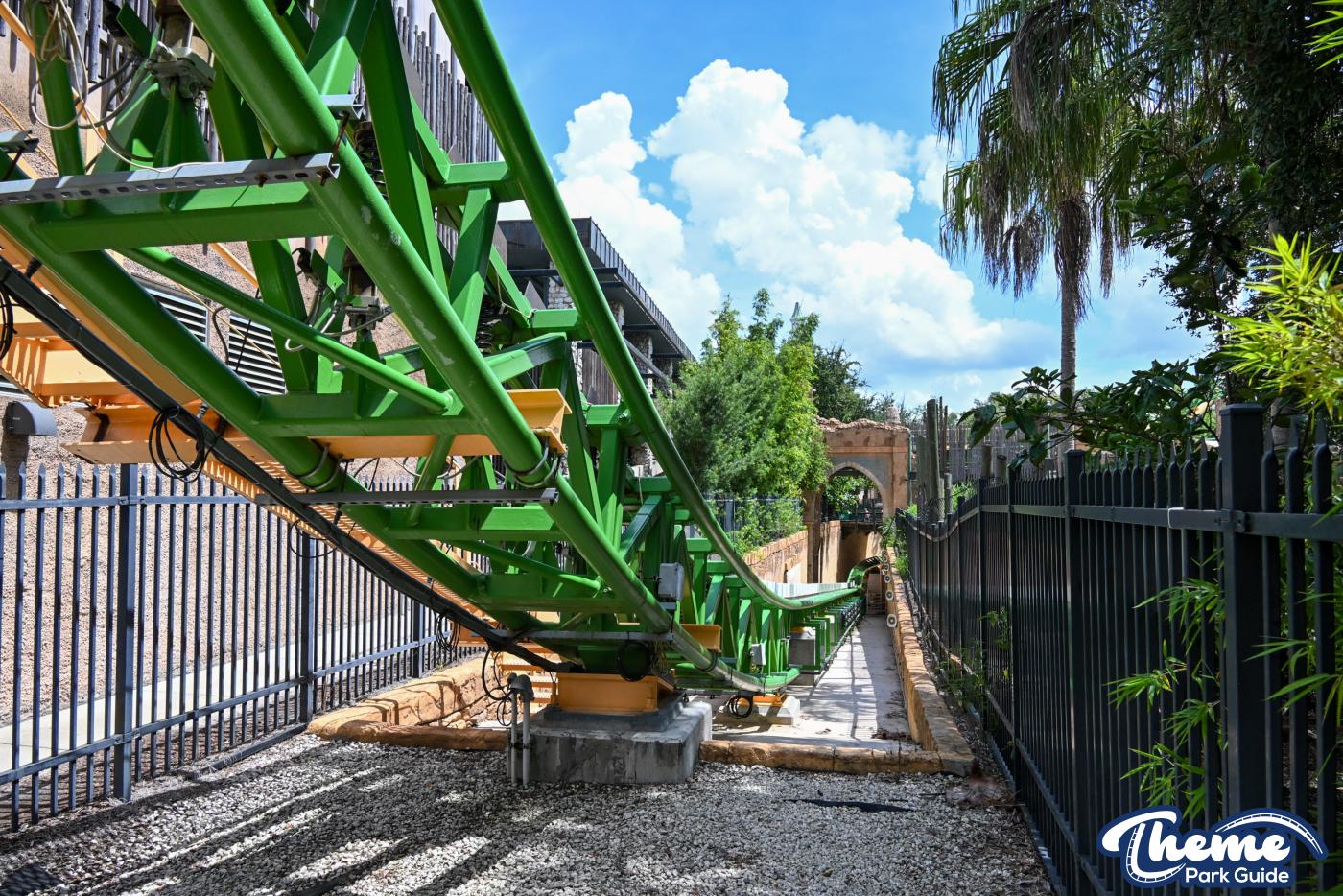
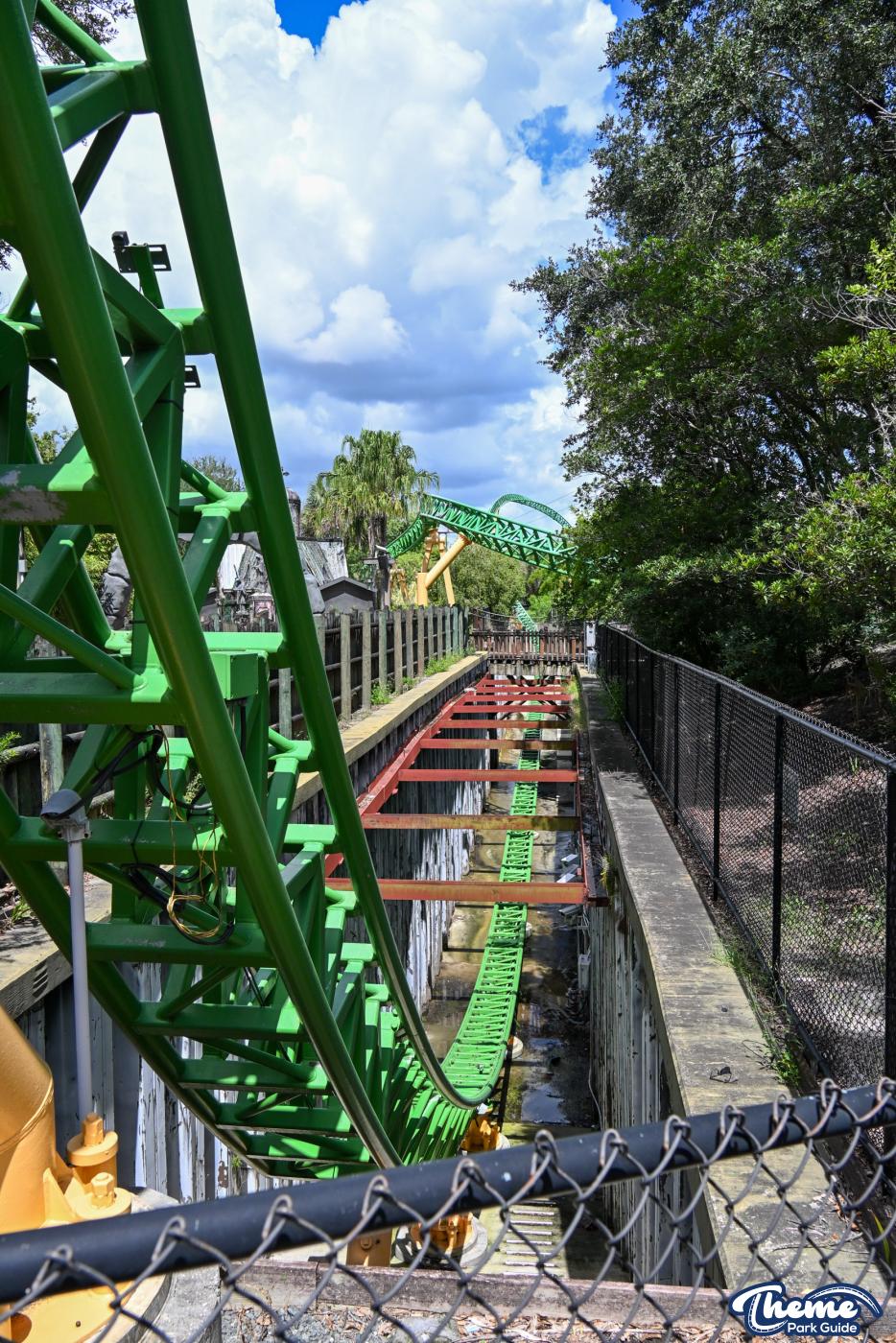
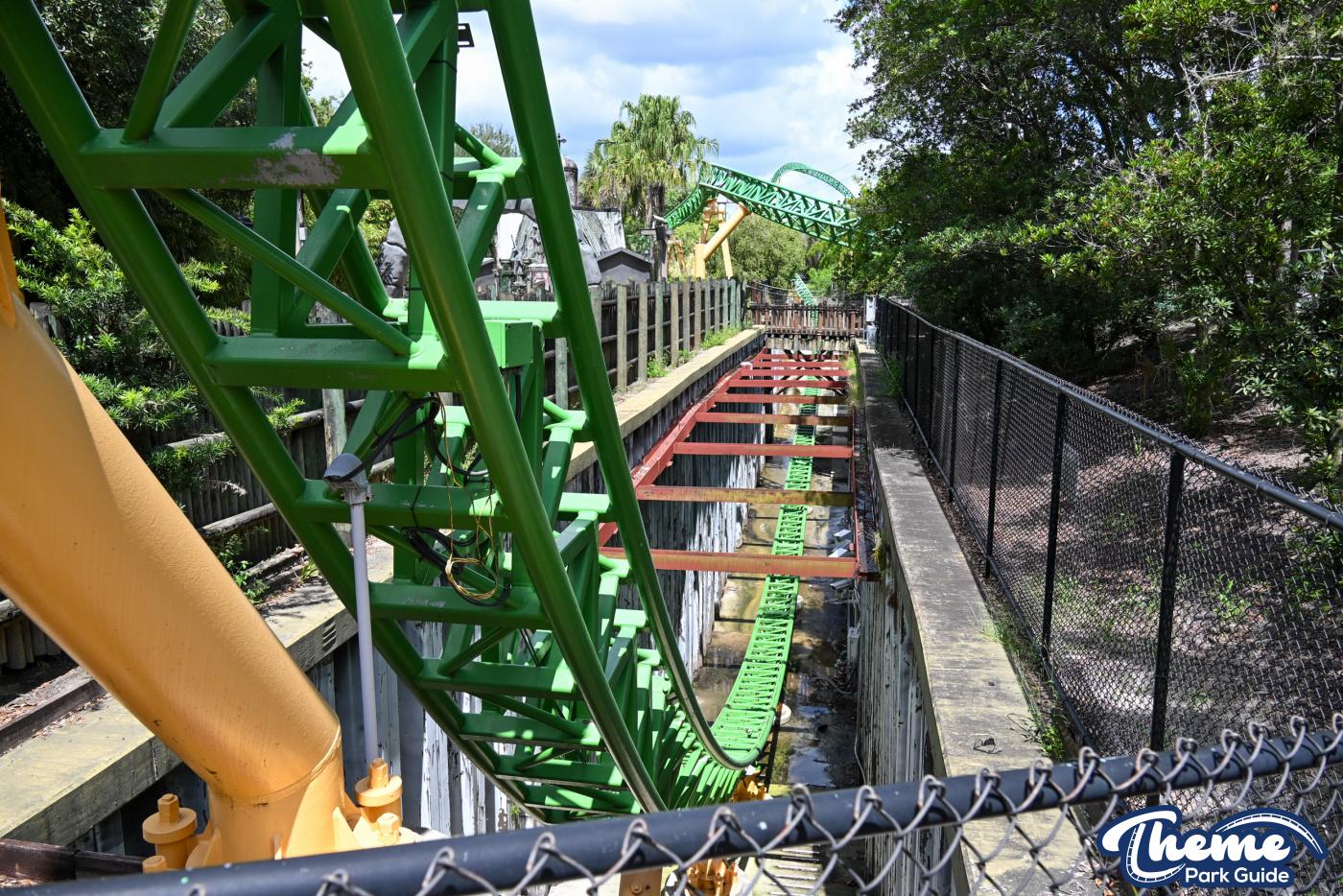
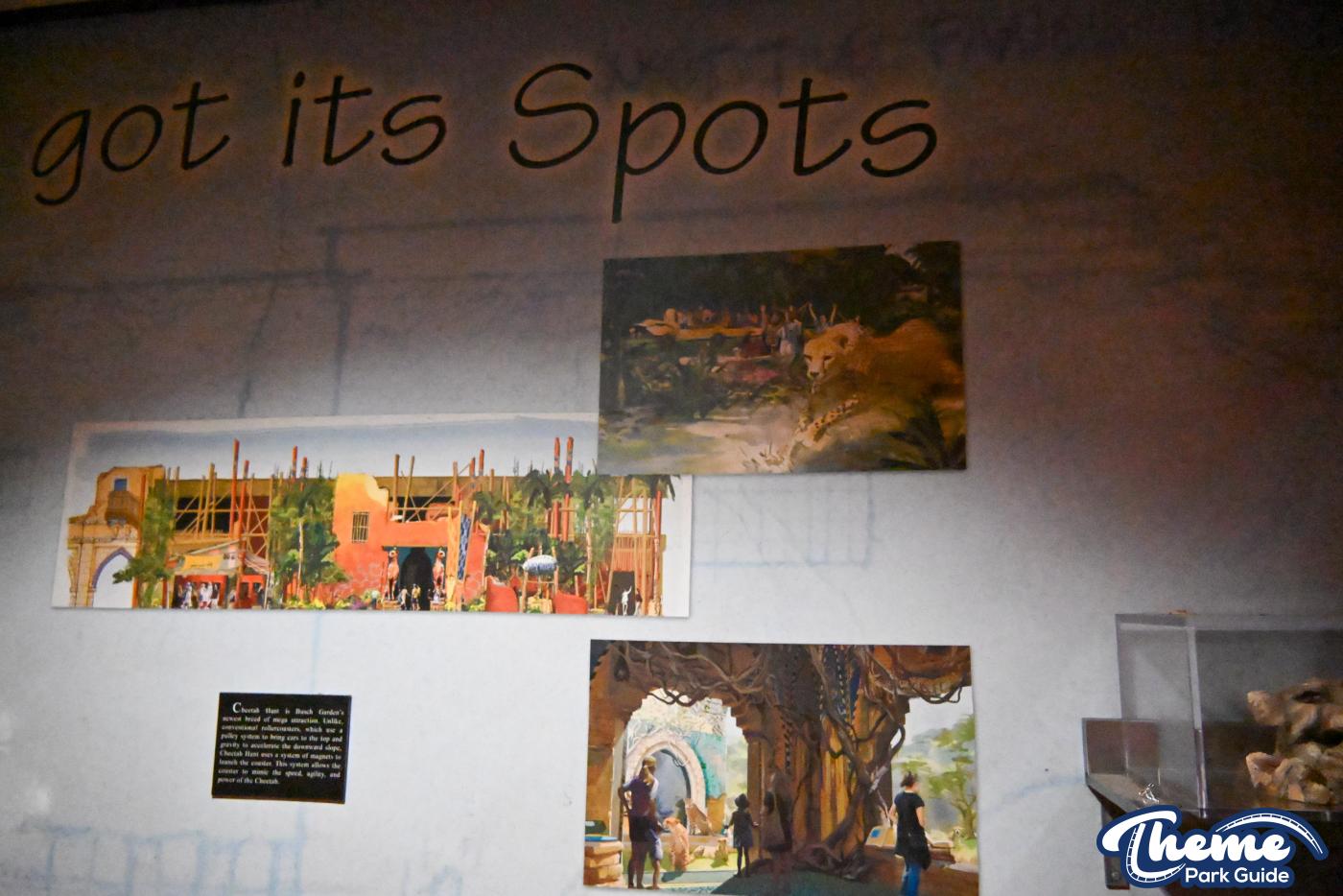
Cheetah Hunt uses a linear synchronous motor (LSM) launch system, which accelerates the trains using electromagnetic technology rather than the hydraulic launch systems found on some other Intamin rollercoasters. Our guide explained how the white components along the track form part of the launch system, while proximity sensors detect metal on the trains to monitor their position and speed. The ride features ten block sections, allowing the control system to track trains and ensure the section ahead is clear before another train can enter it.
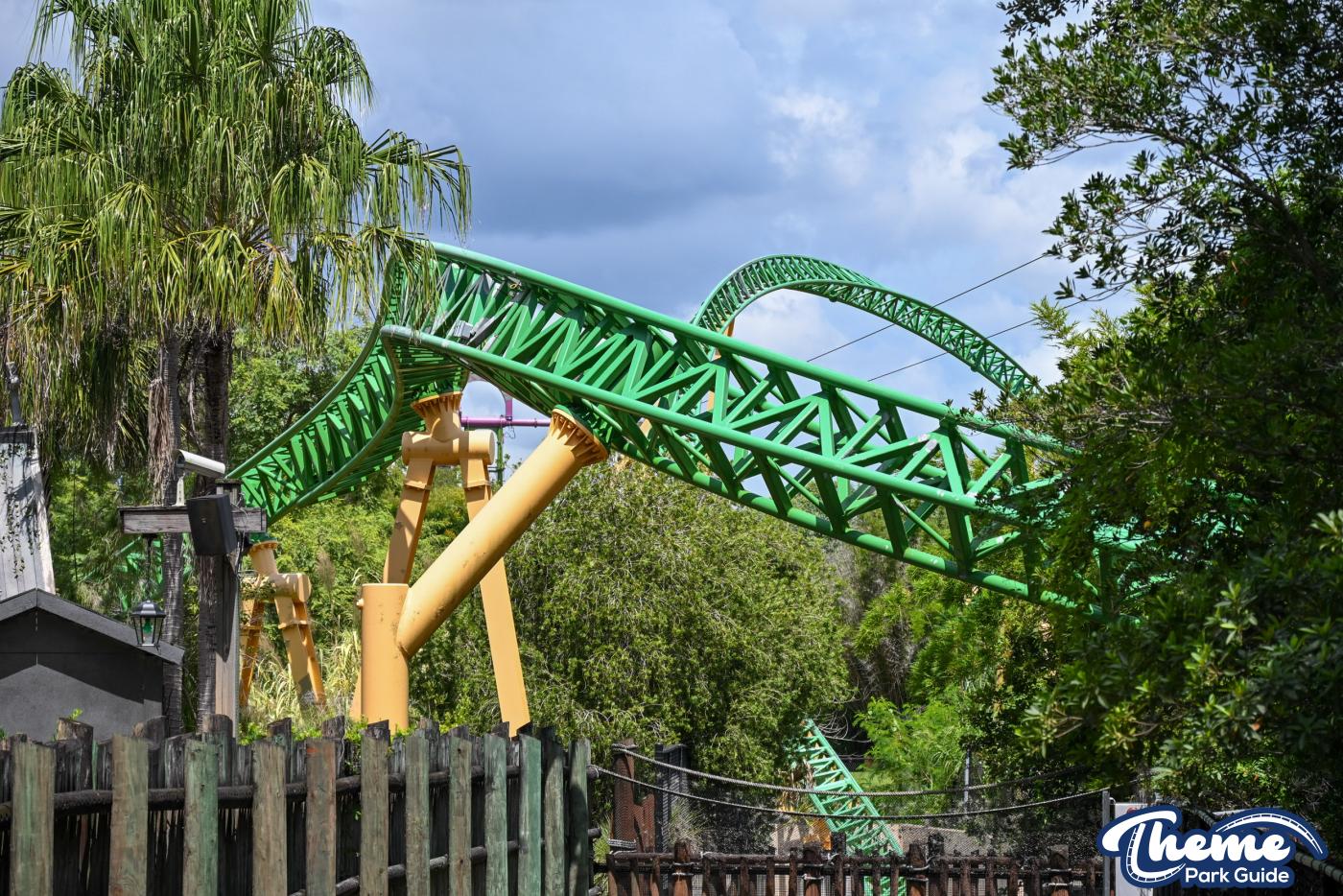
We also learnt about the black braking fins along the launch track, which can be lowered during a launch and raised to stop a train when required. The second launch is the fastest, reaching approximately 60mph, while the ride's first major drop stands around 130 feet tall. Interestingly, our guide explained how temperature can affect the ride's performance, with trains potentially travelling faster as the system warms up.
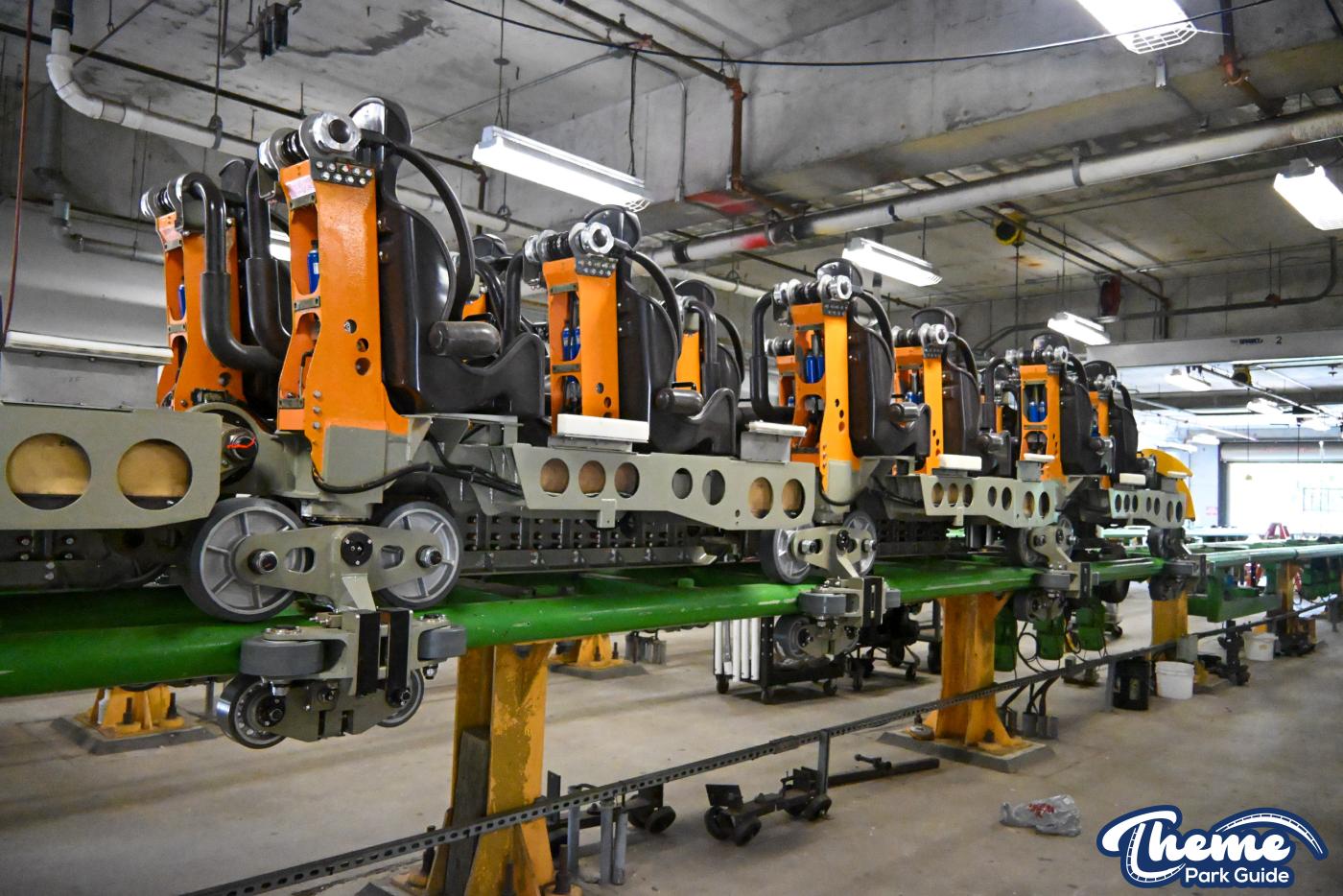
Cheetah Hunt can operate with four trains, with a fifth available for maintenance rotation. If the ride enters certain safety shutdown states, resetting it can take around 30 minutes. We were also told that some replacement components have to be shipped from Europe, which can sometimes lead to longer downtime when specialist parts are needed.
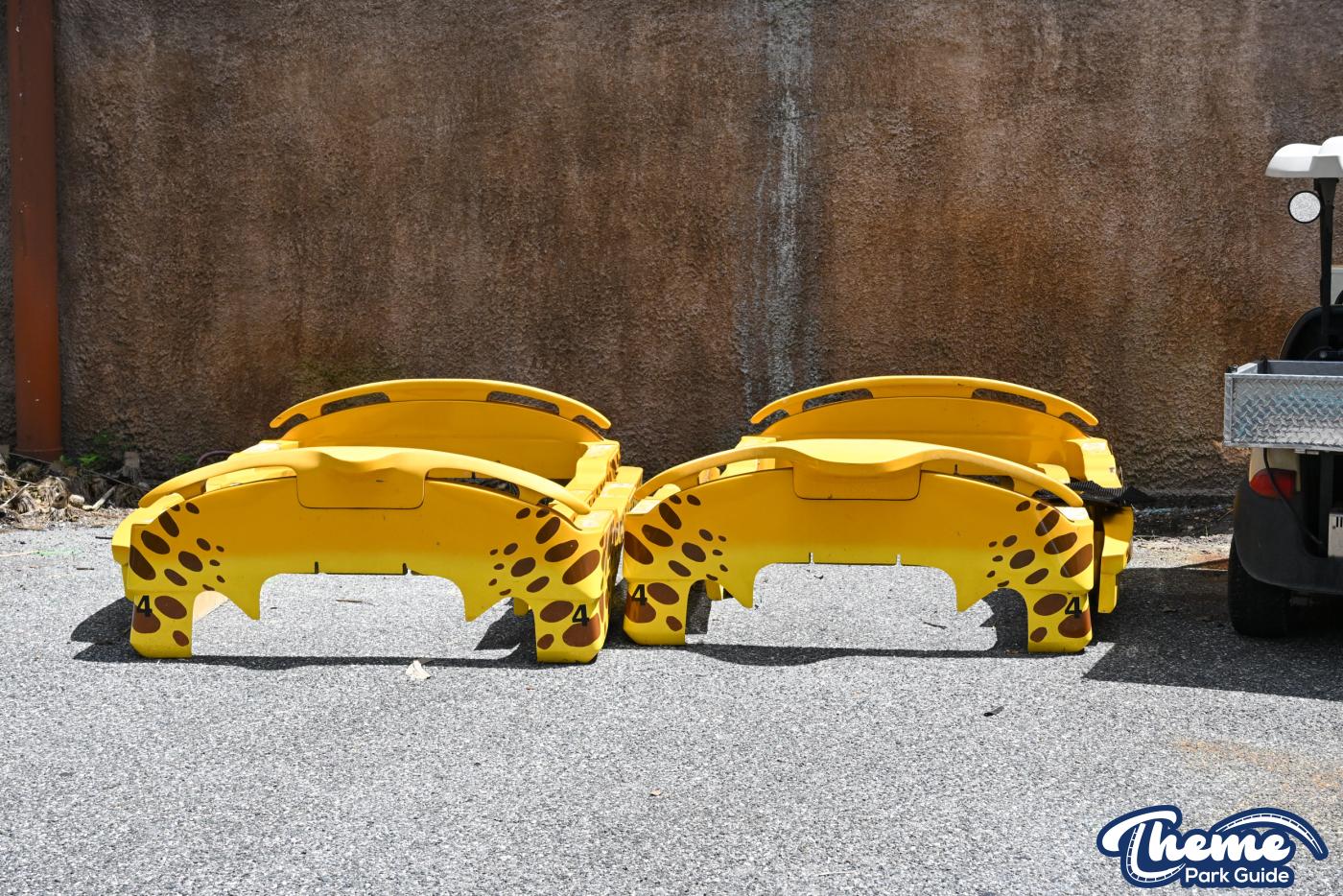
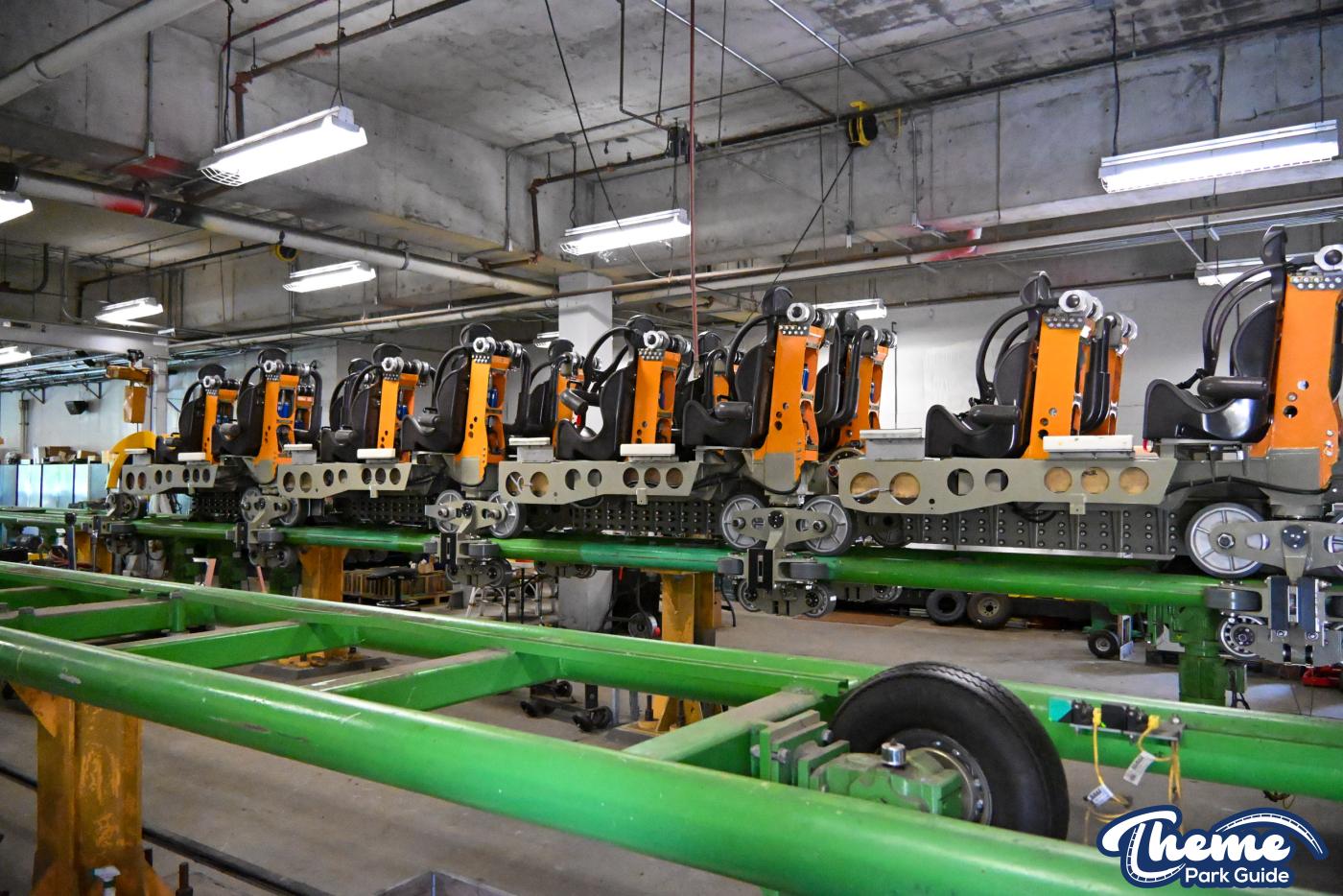
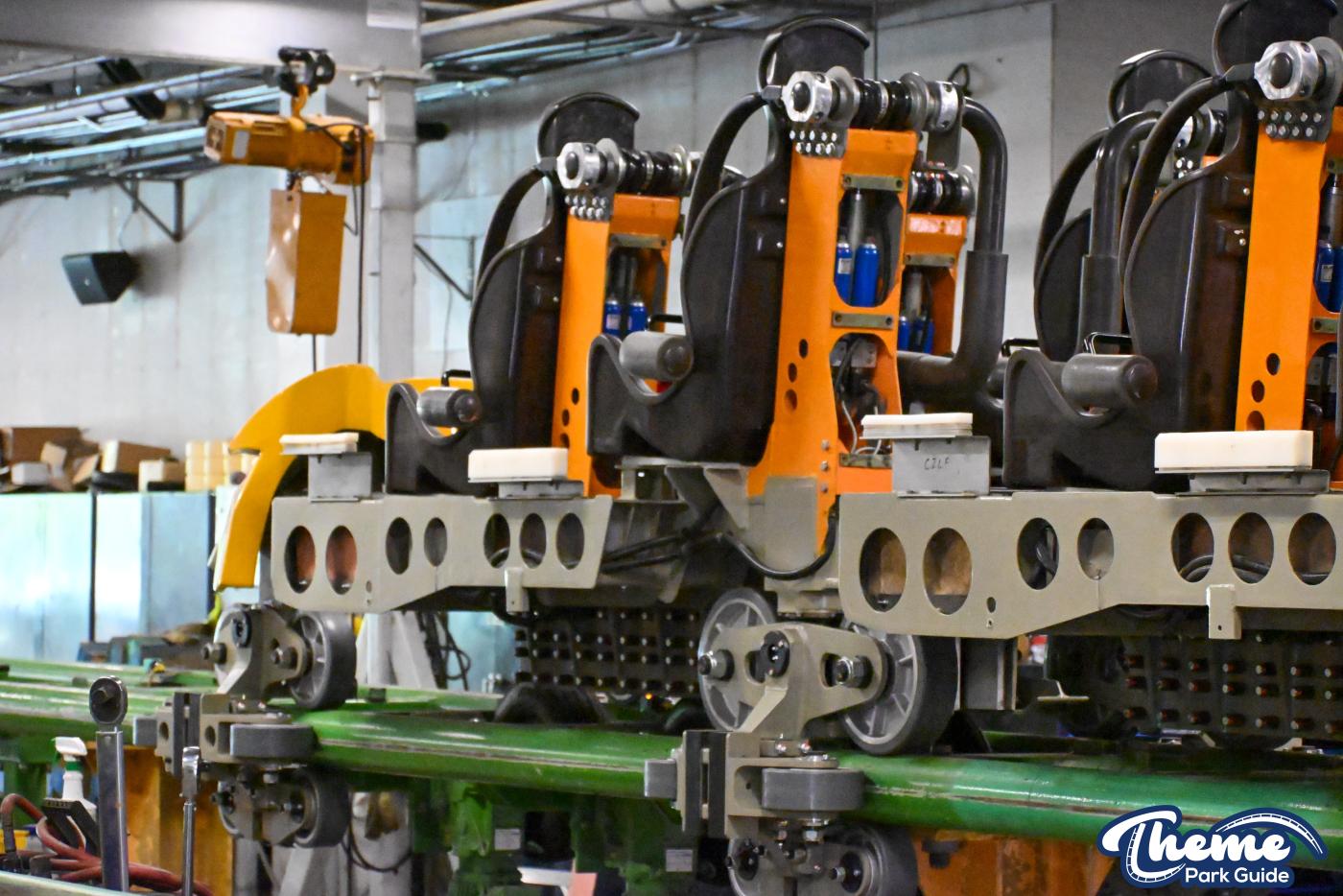
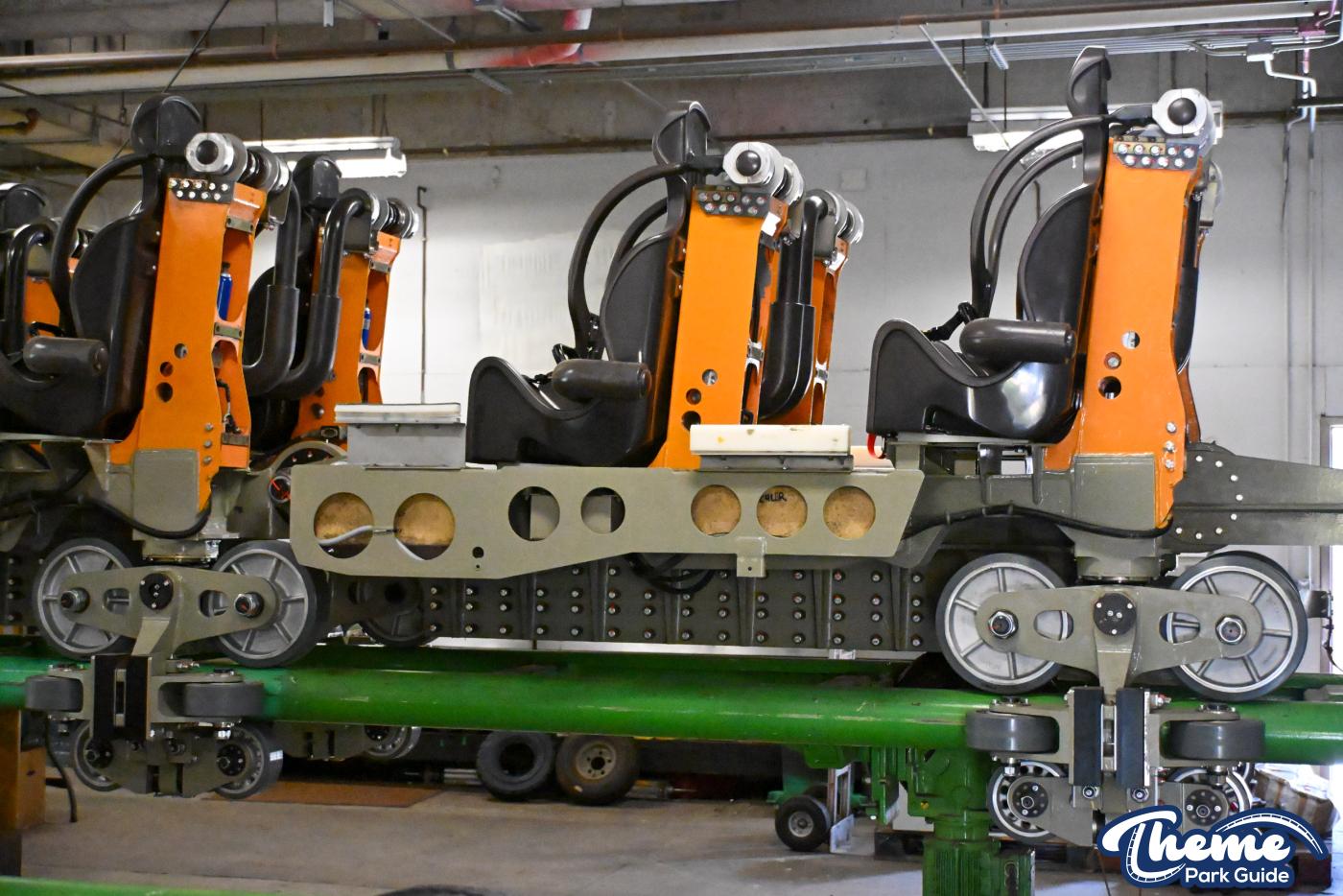
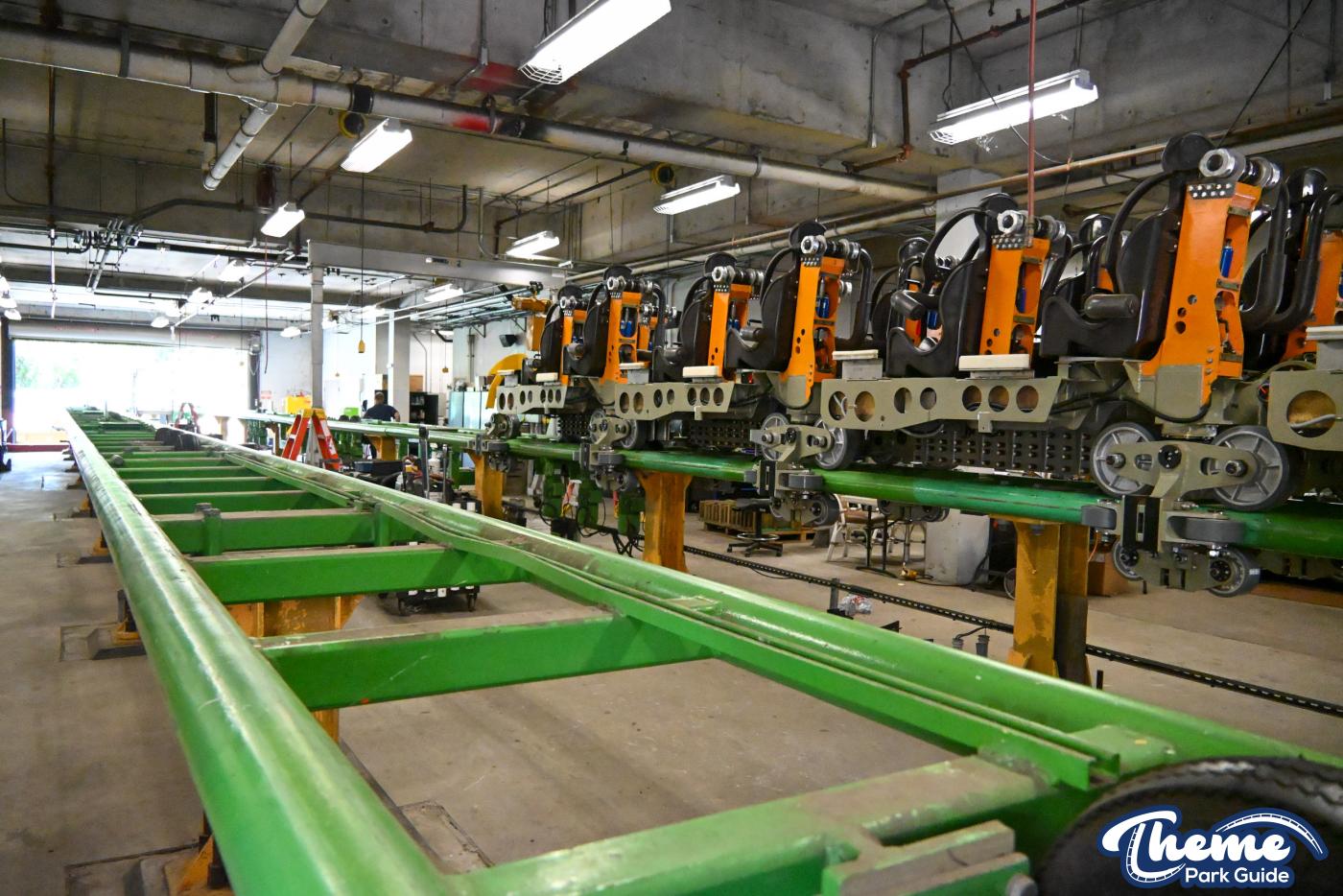
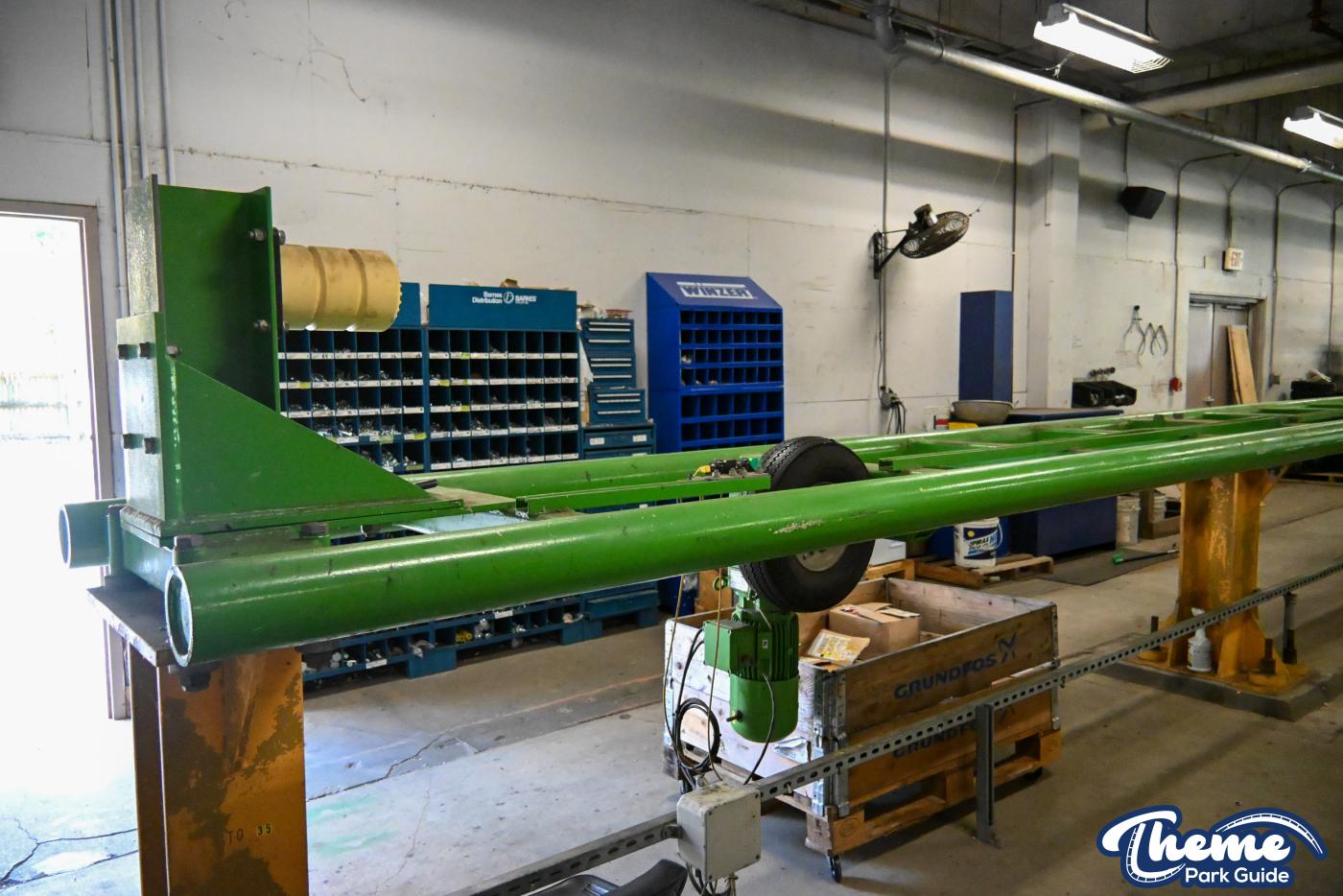
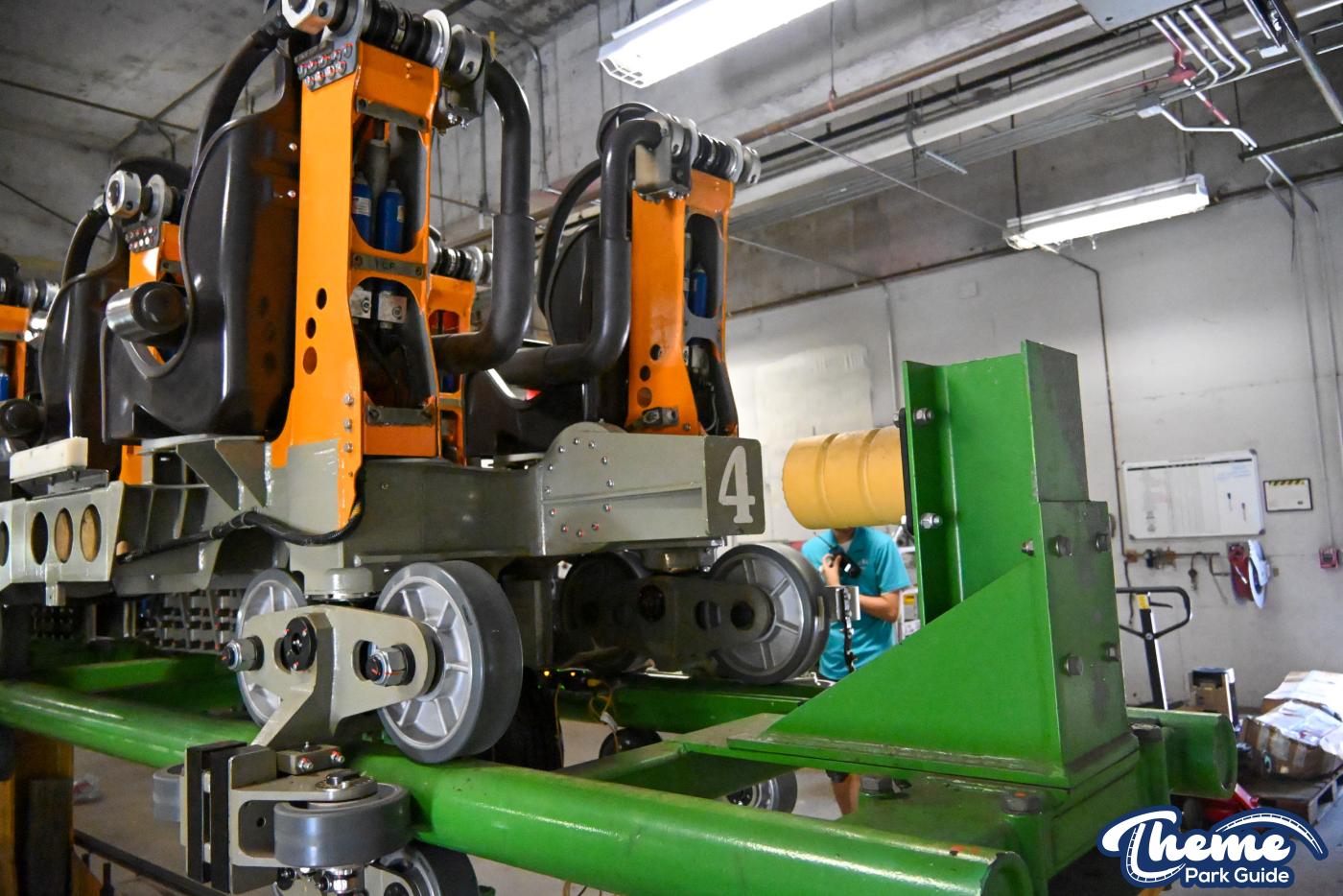
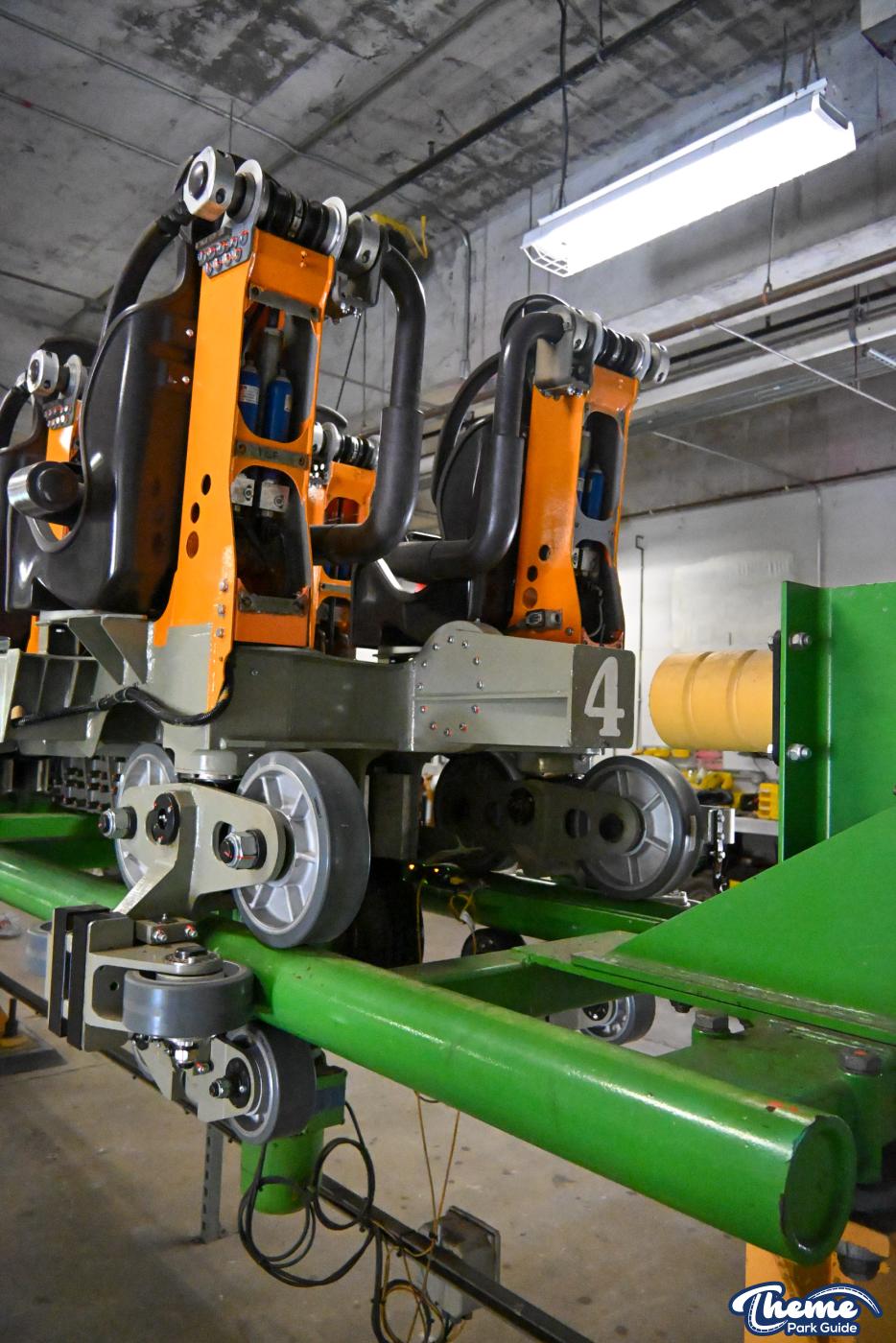
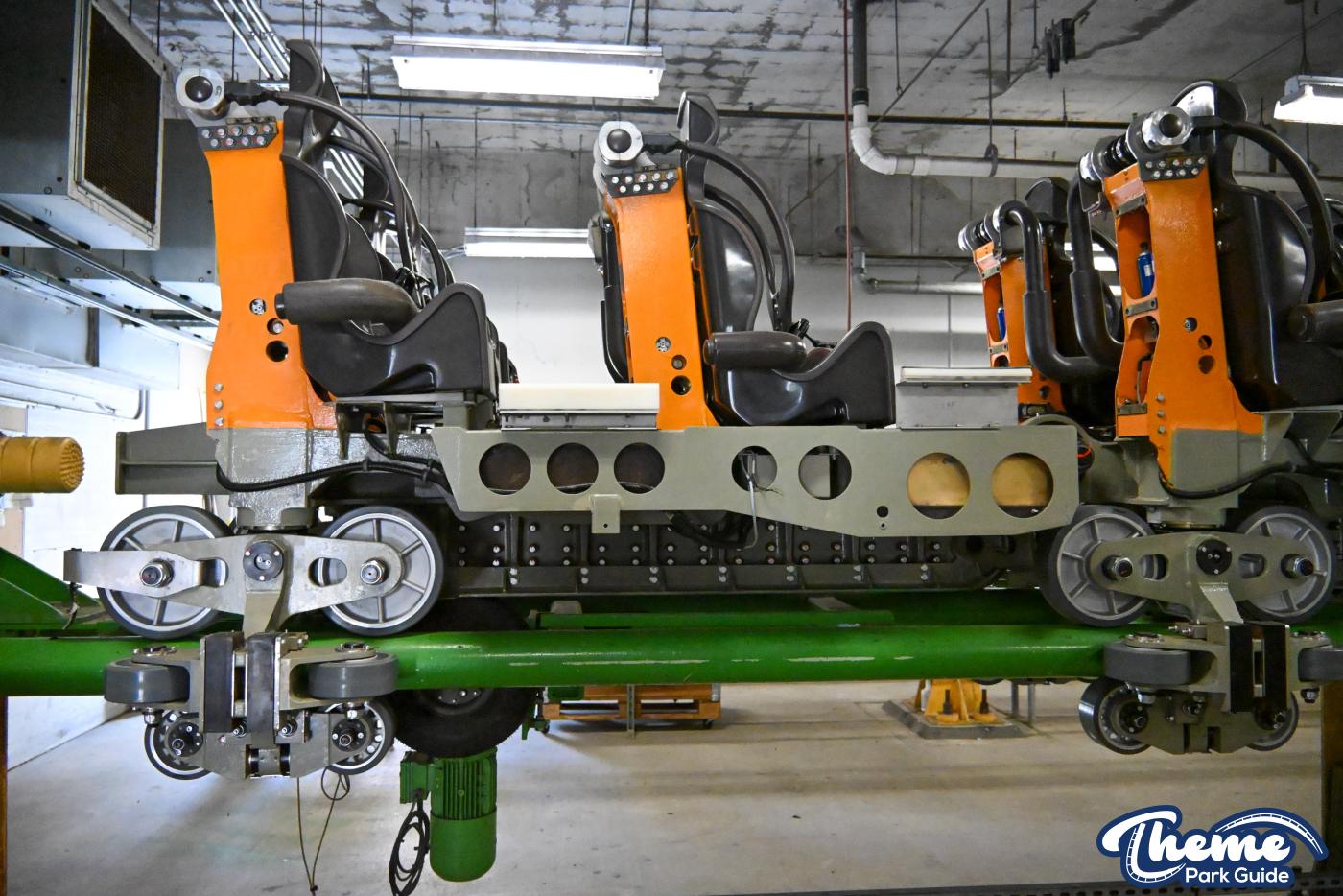
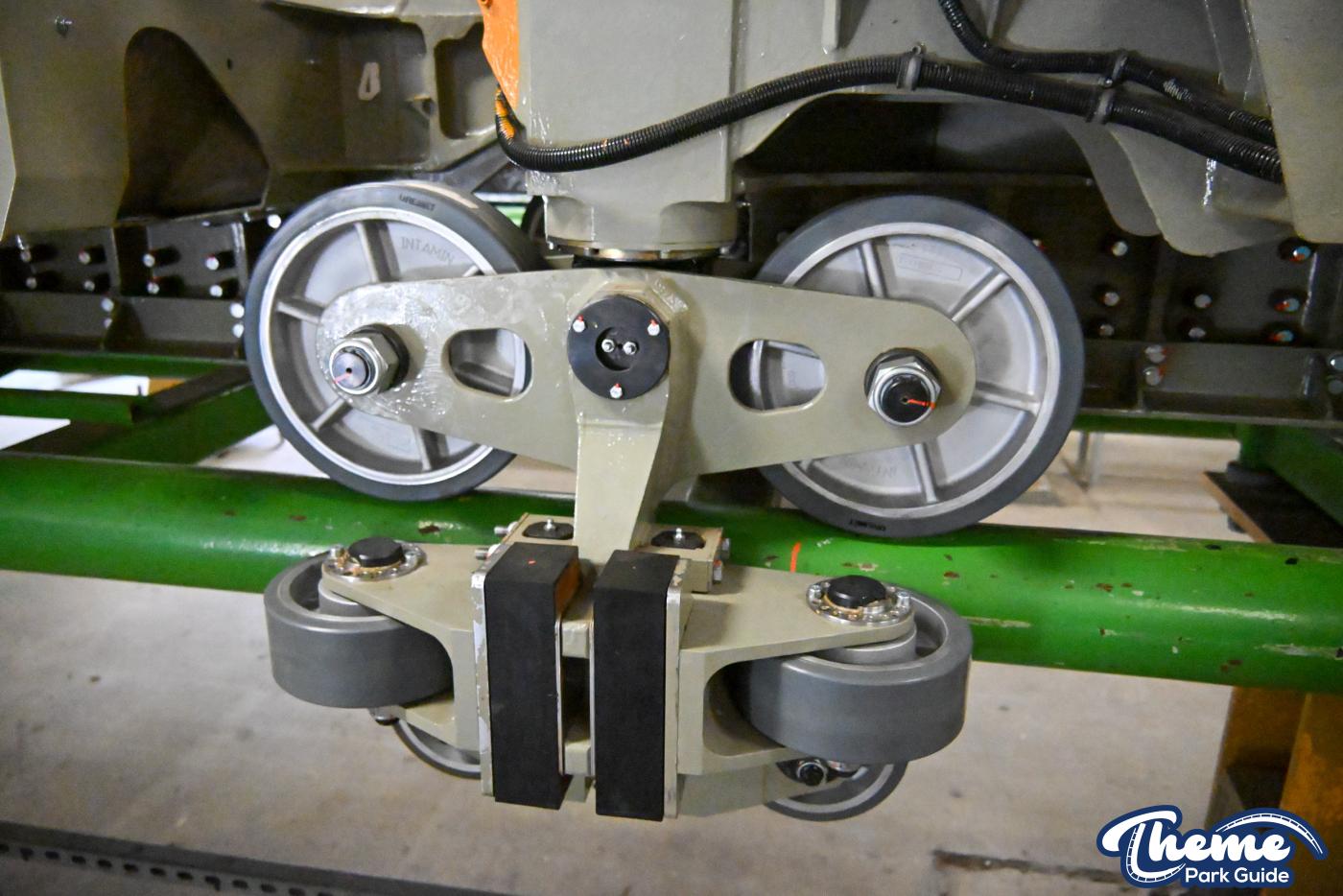
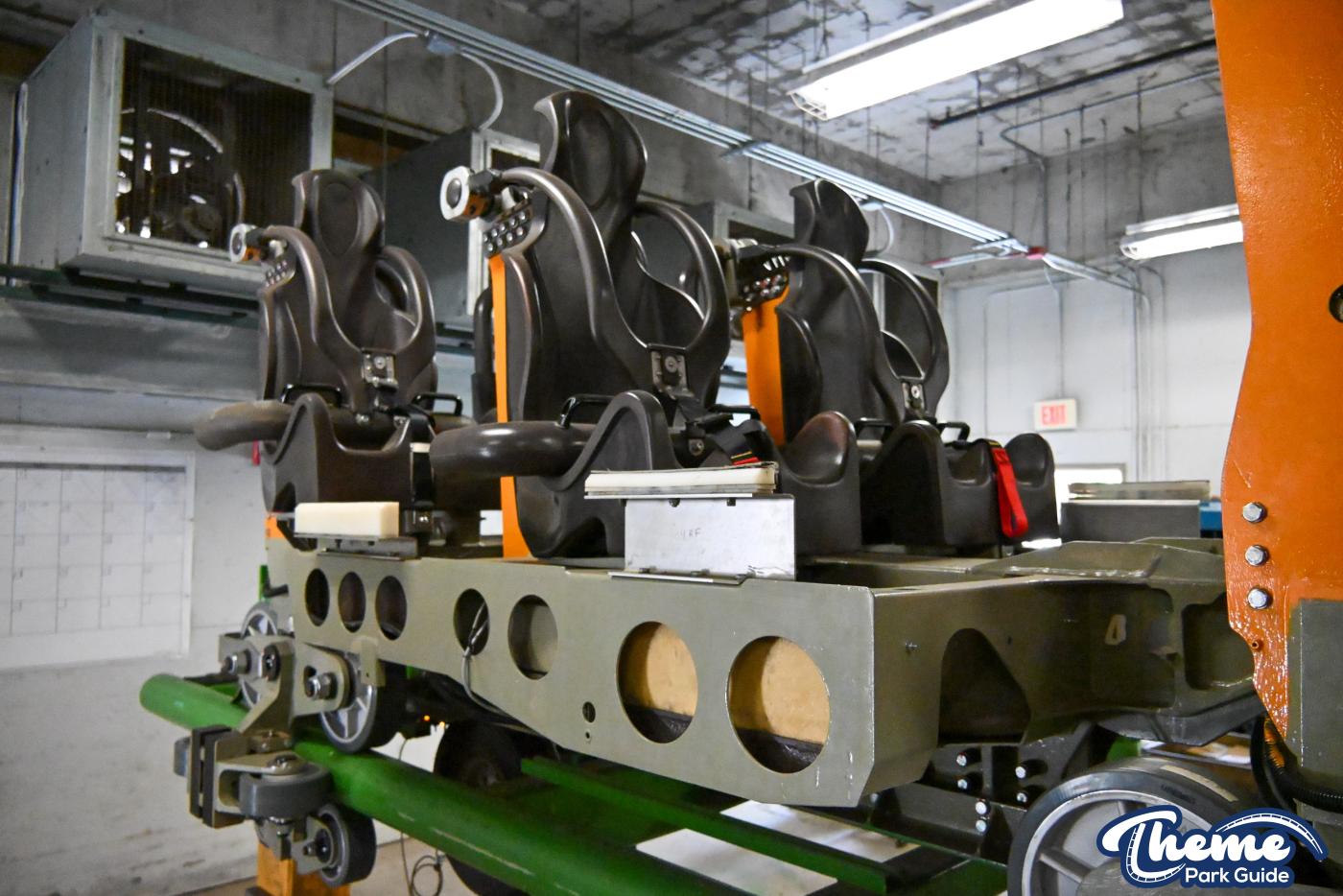
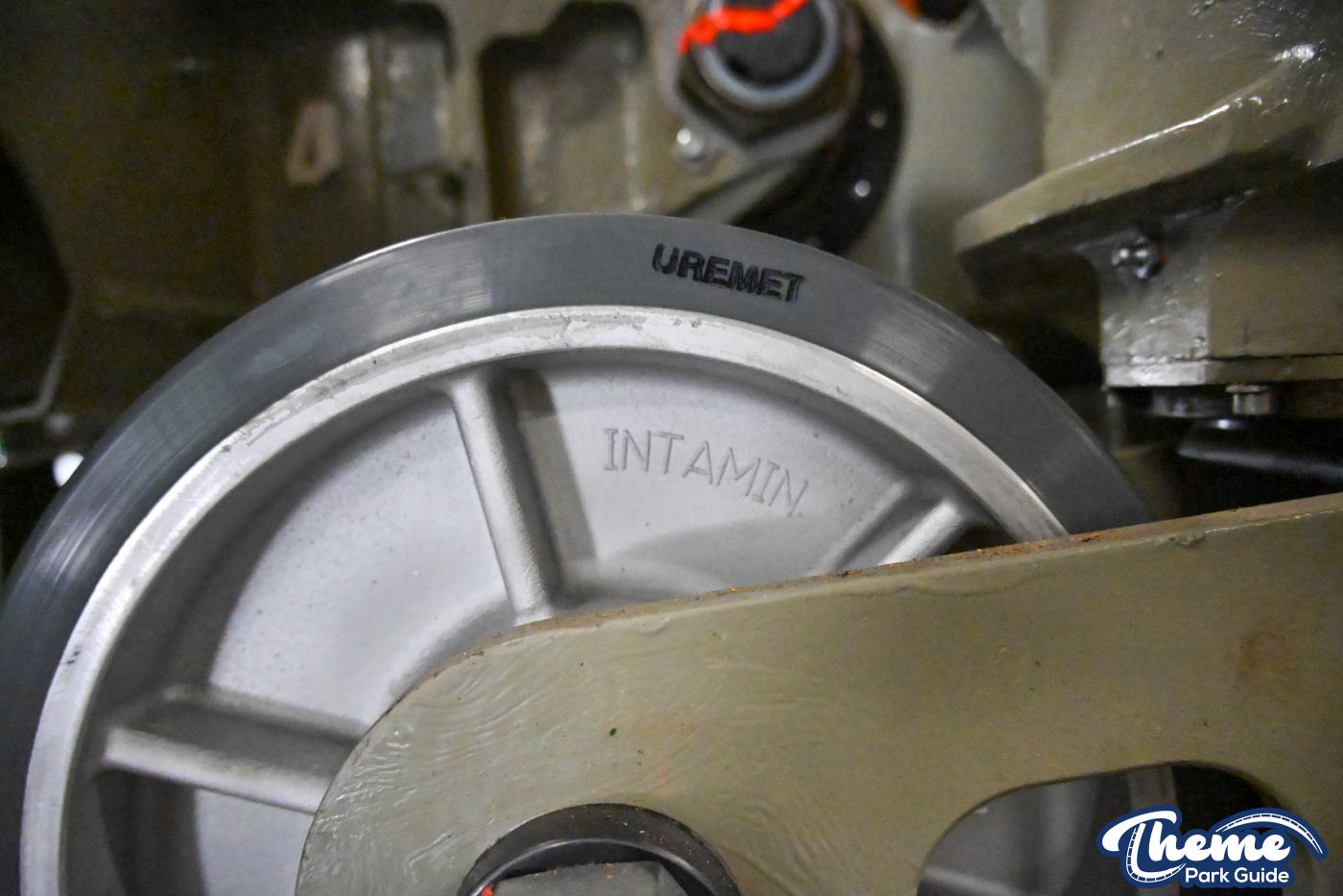
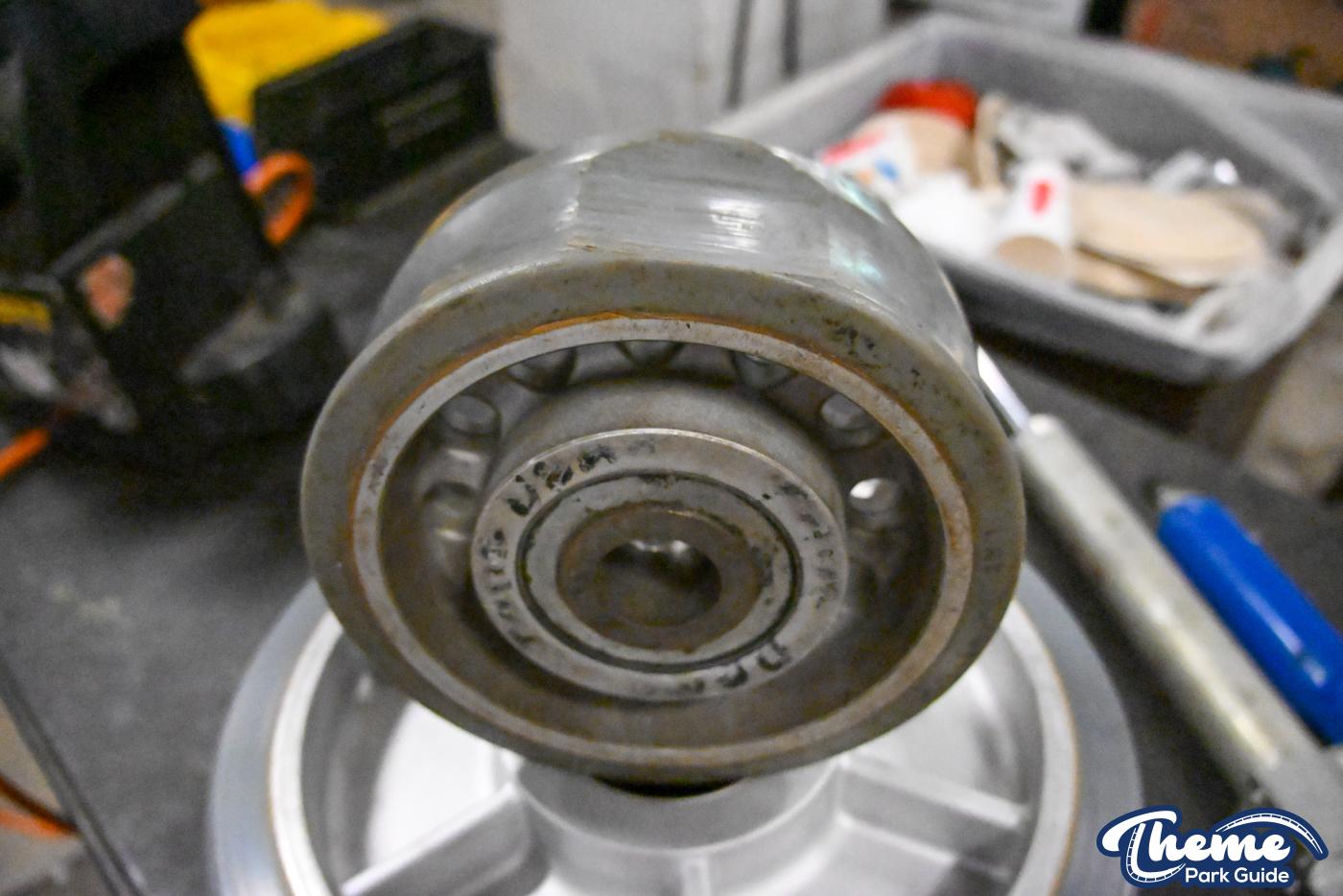
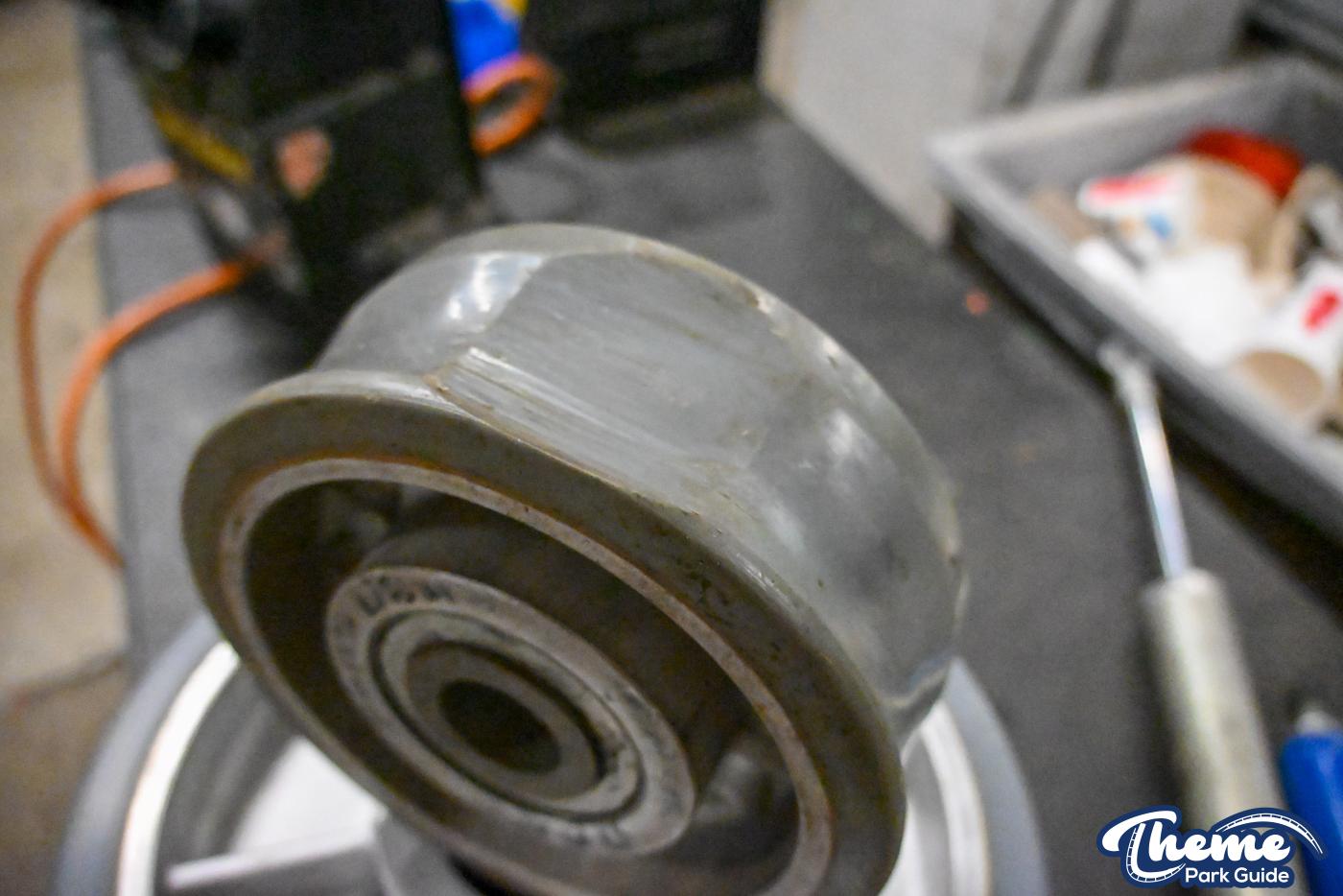
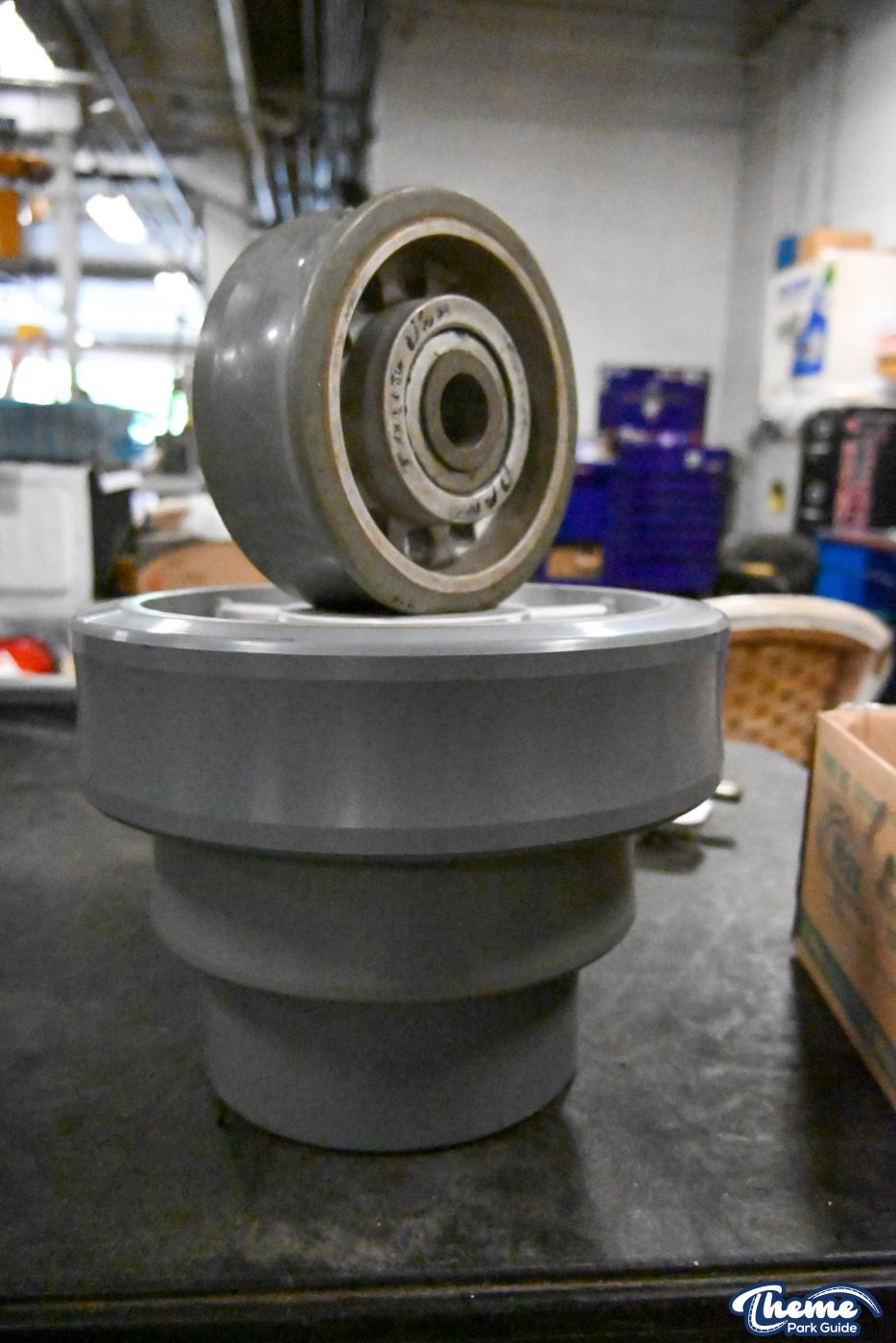
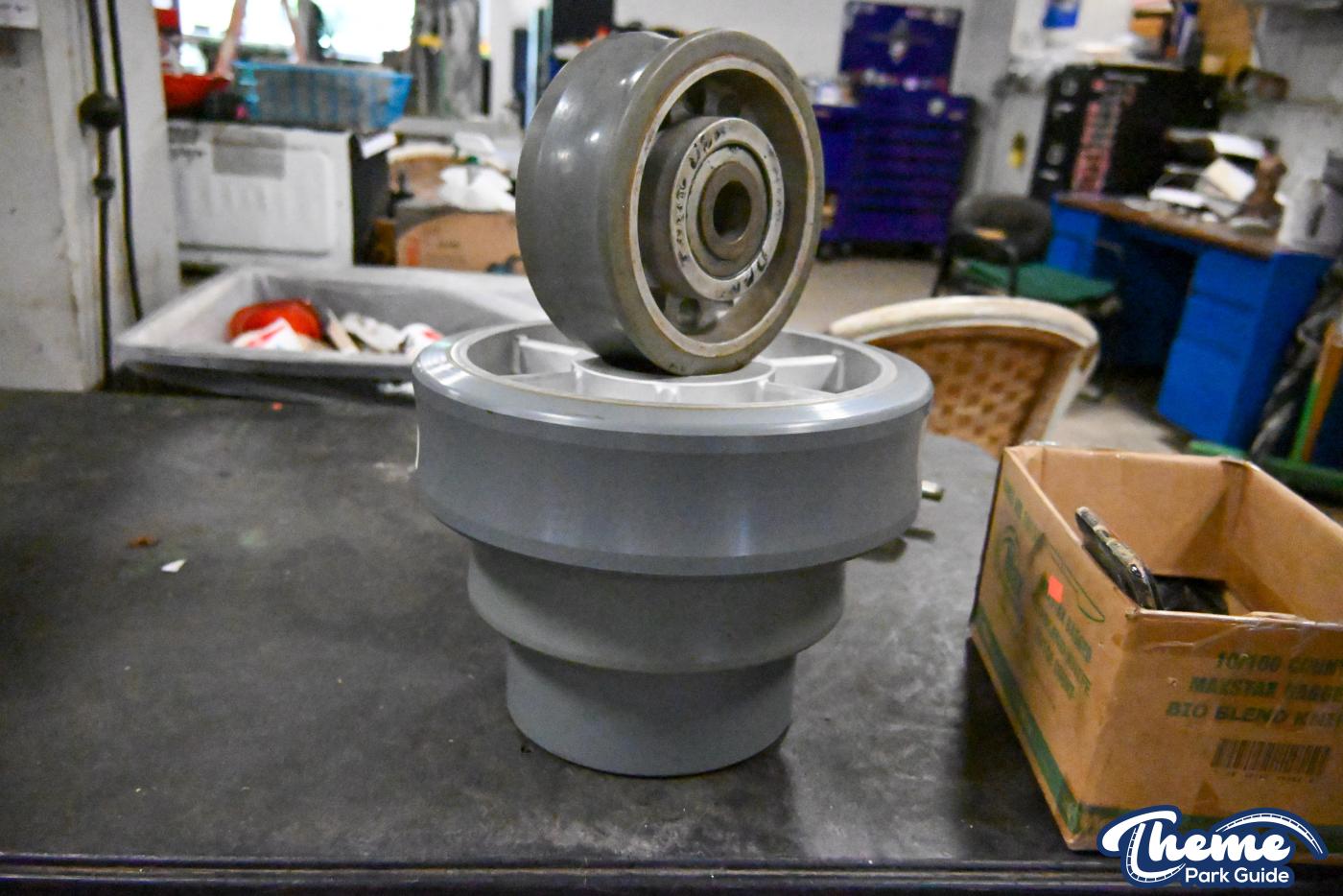
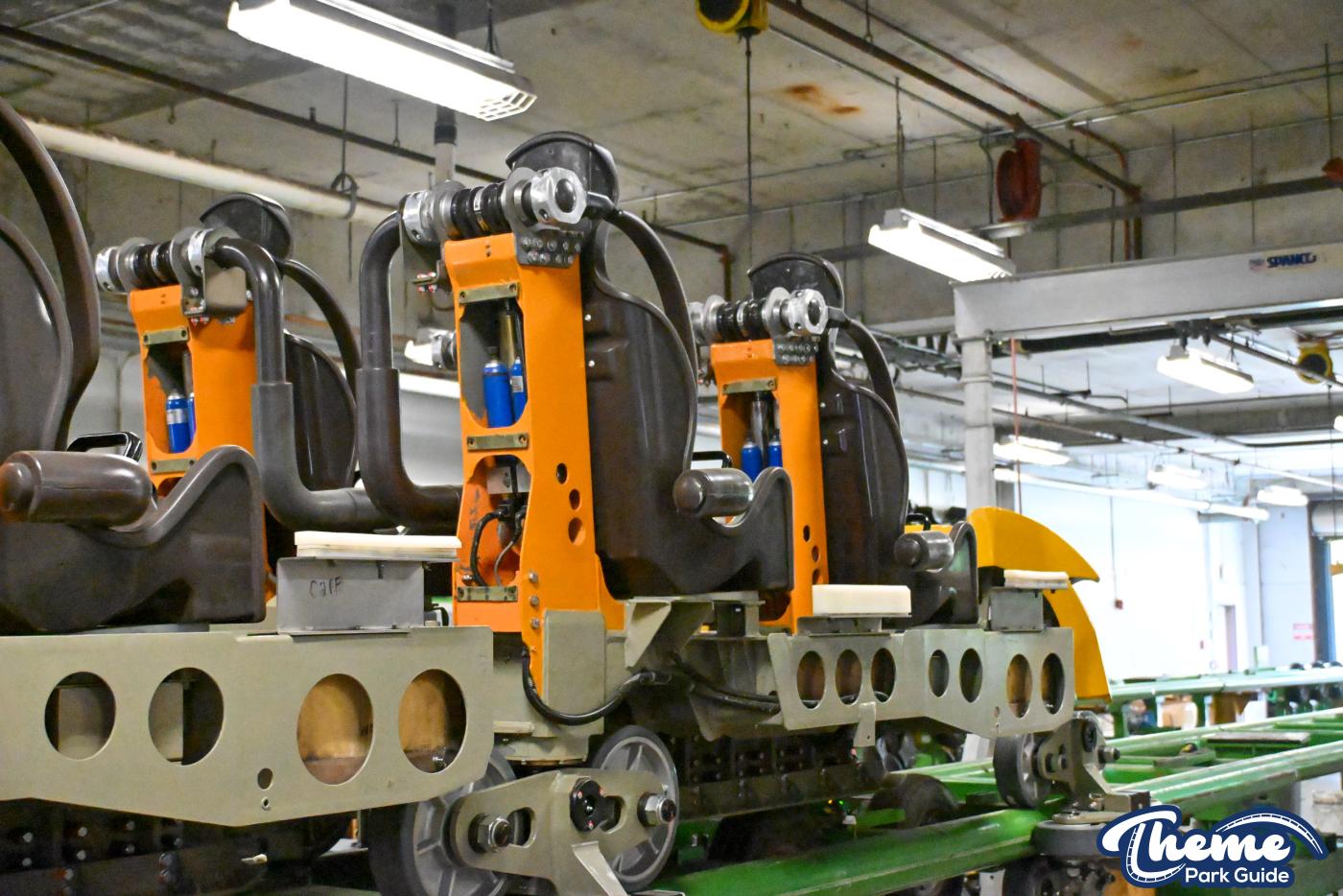
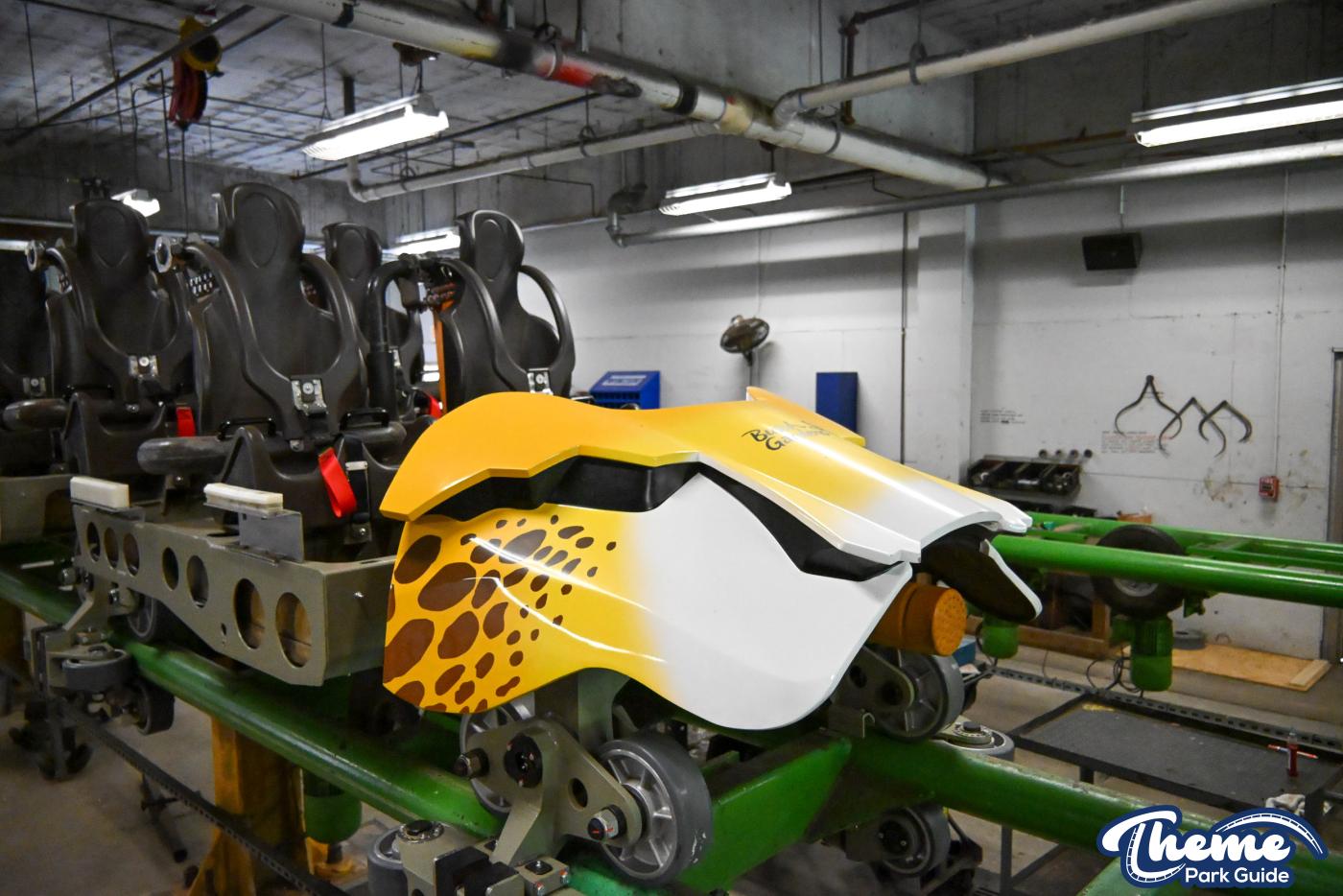
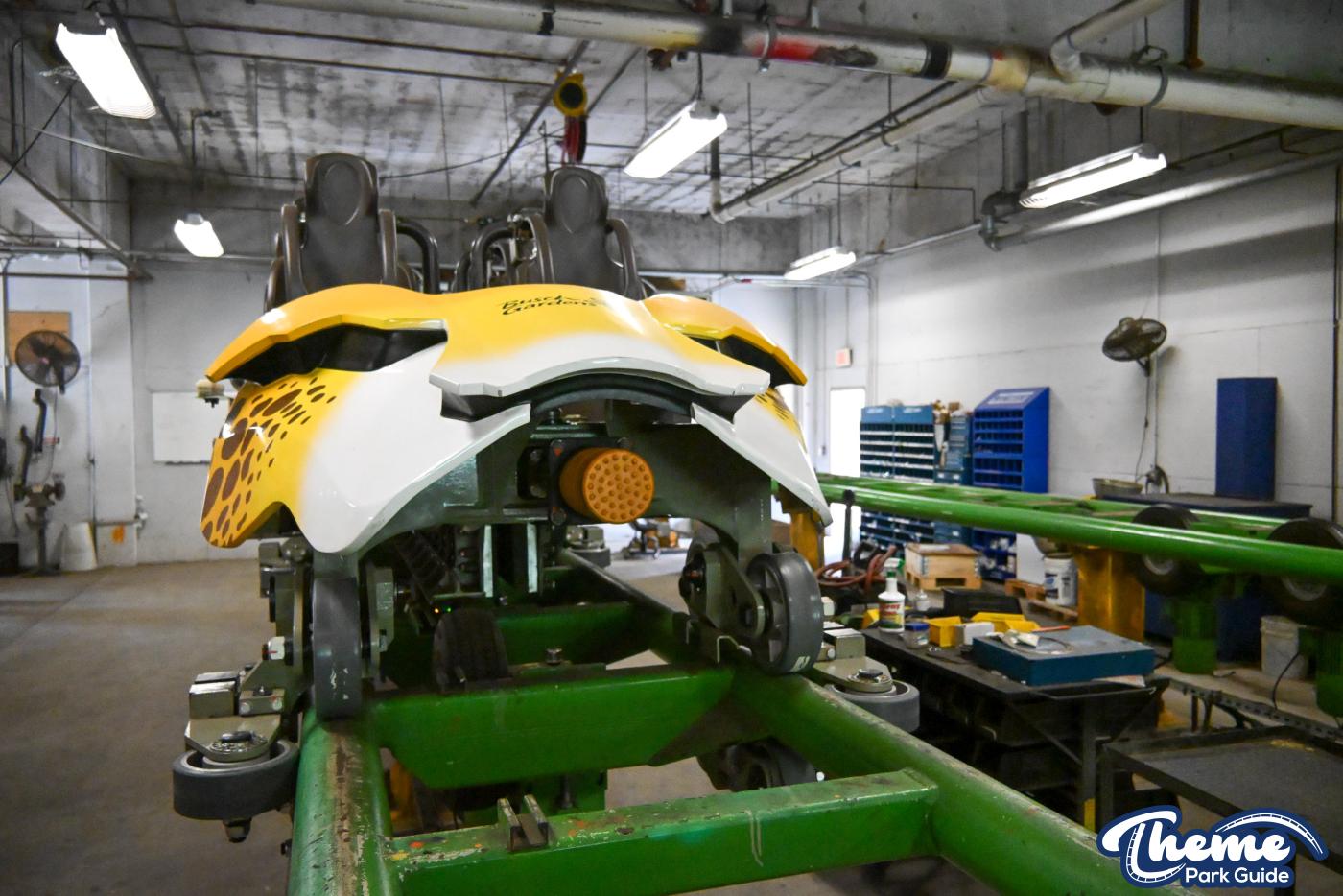
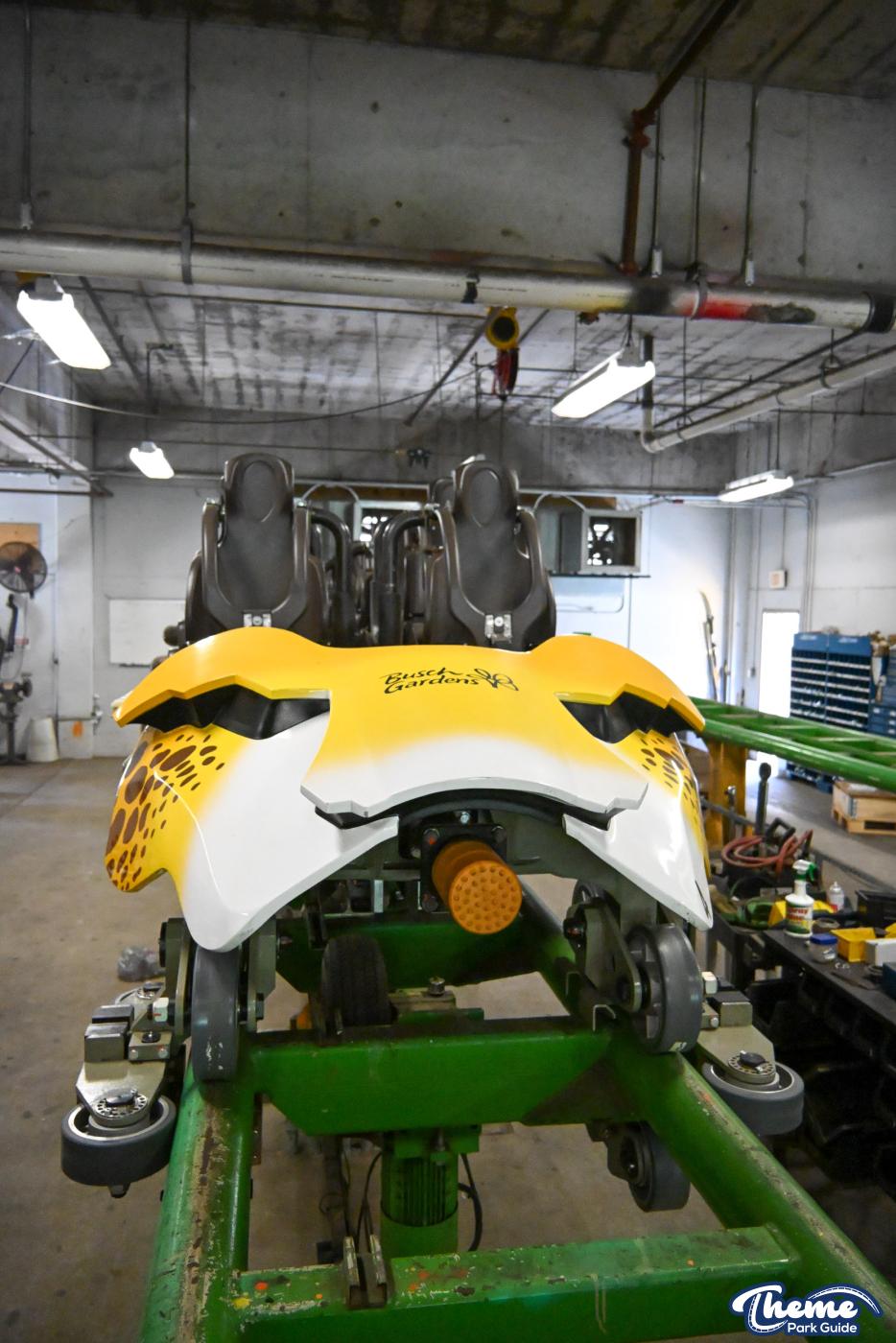
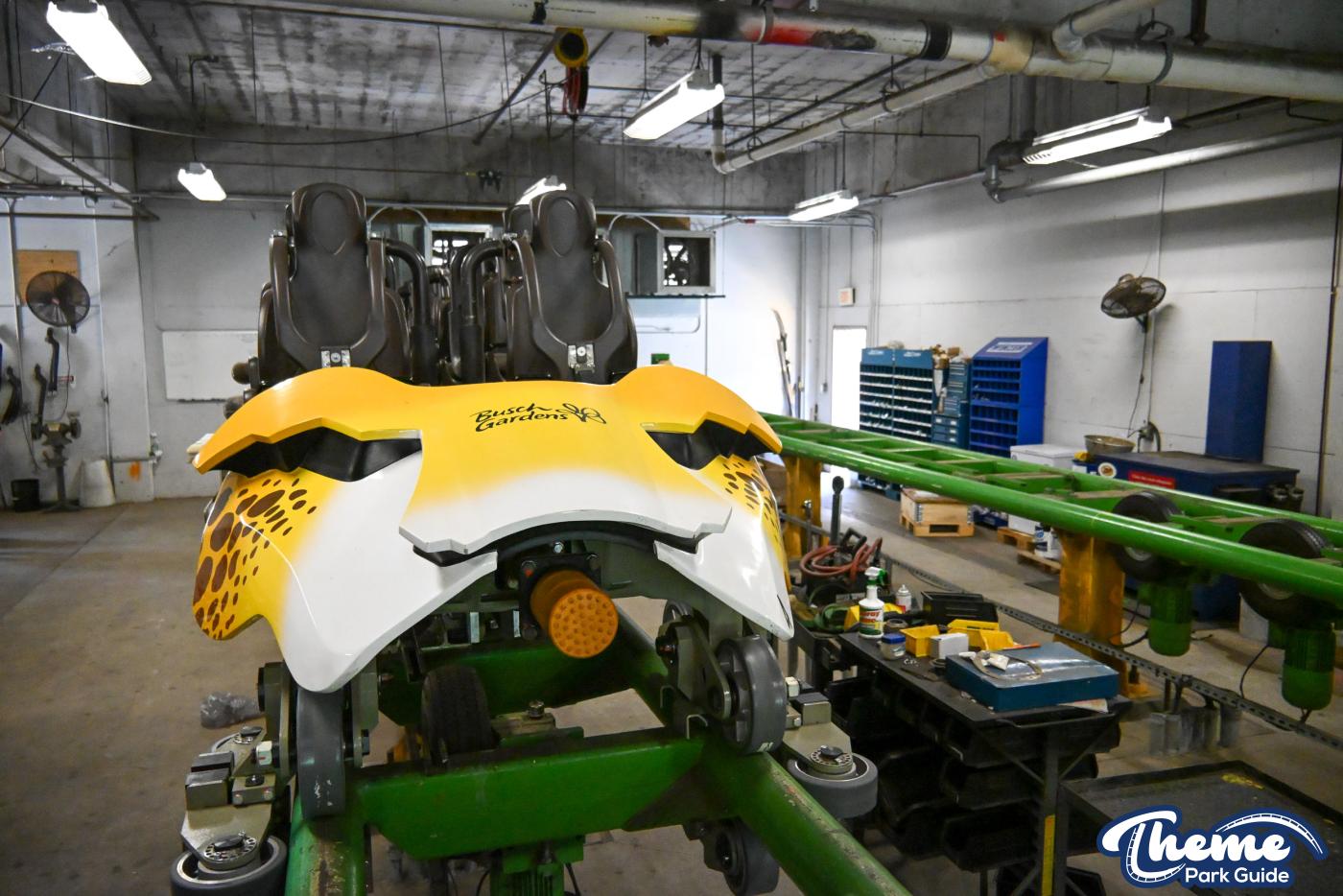
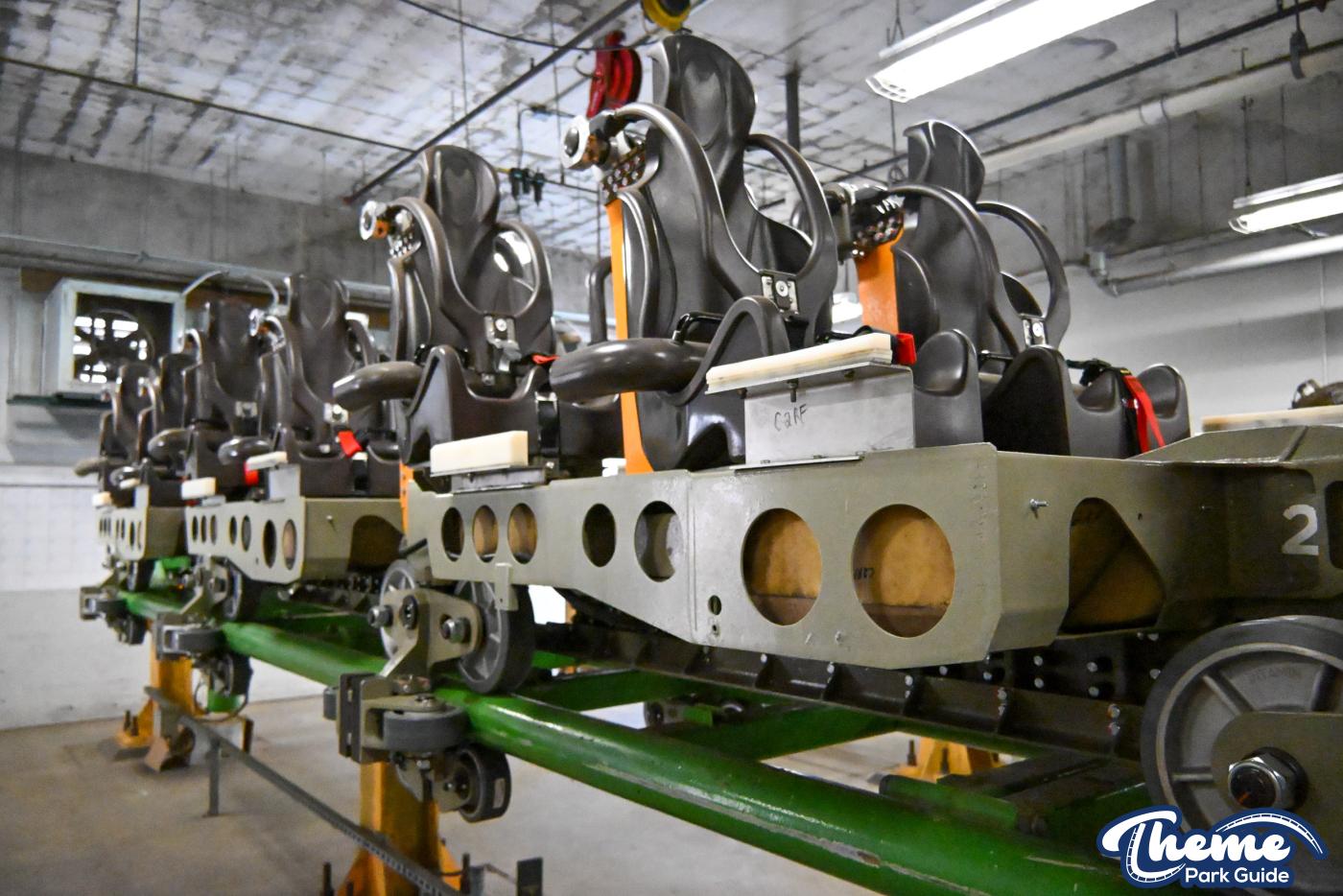
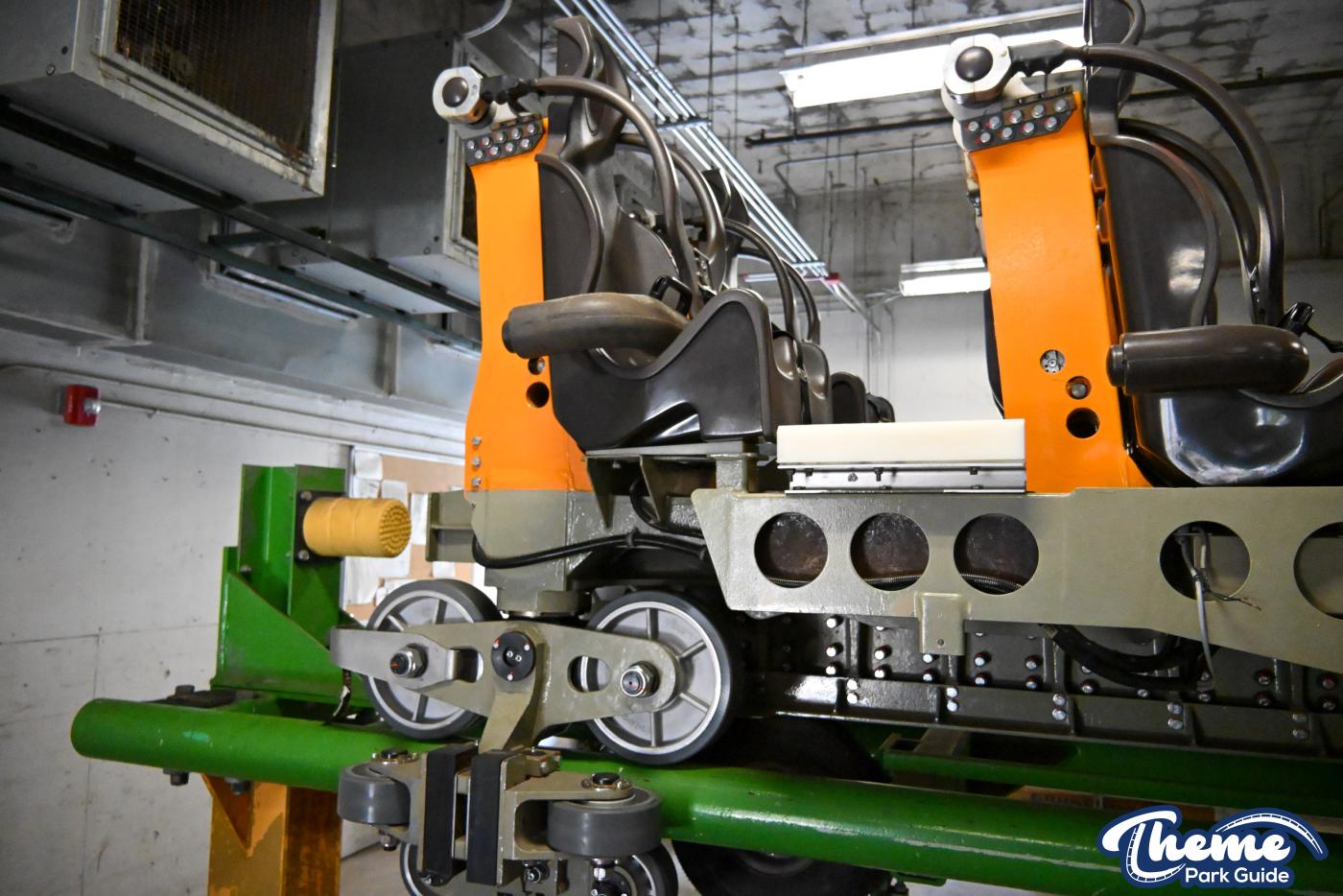
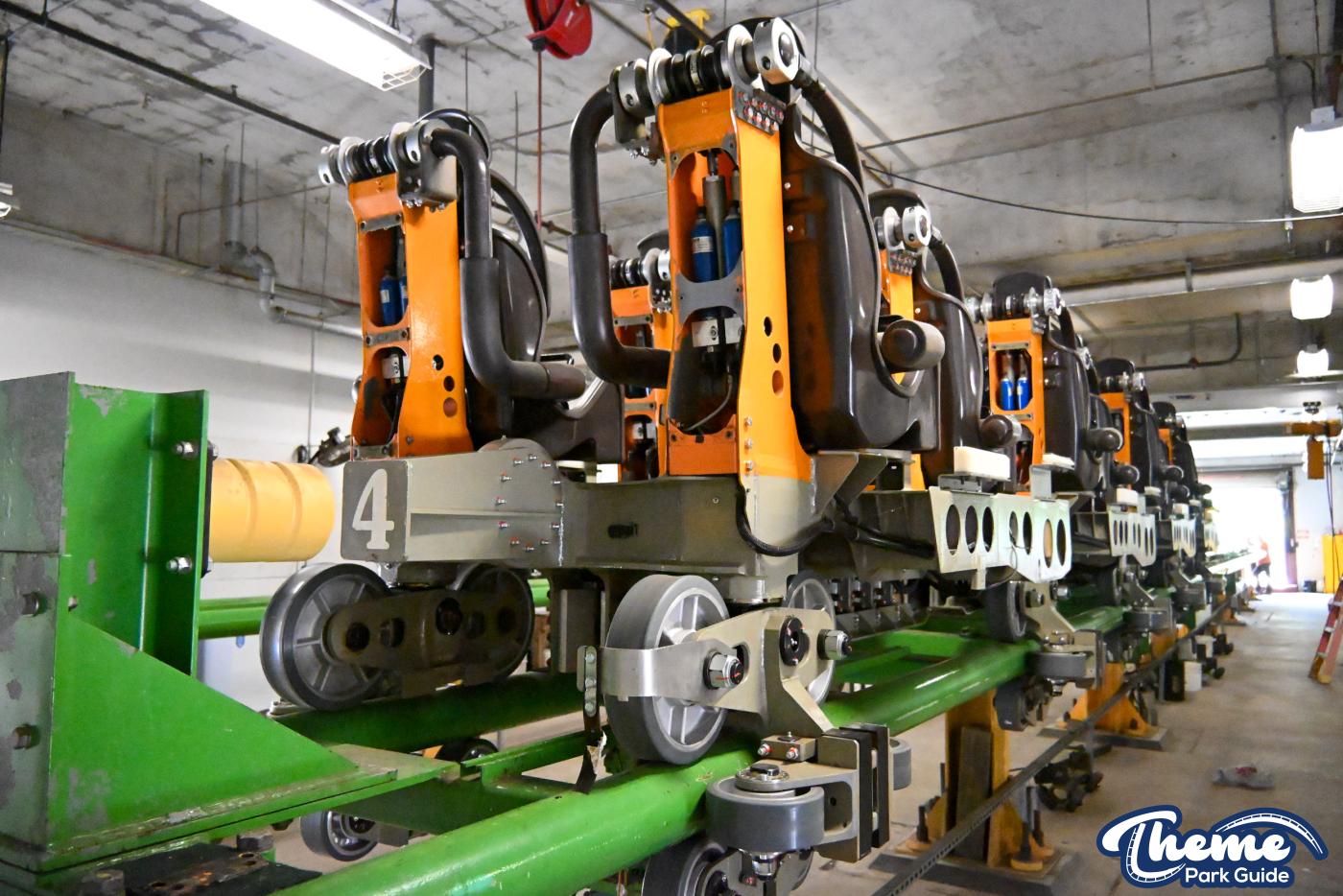
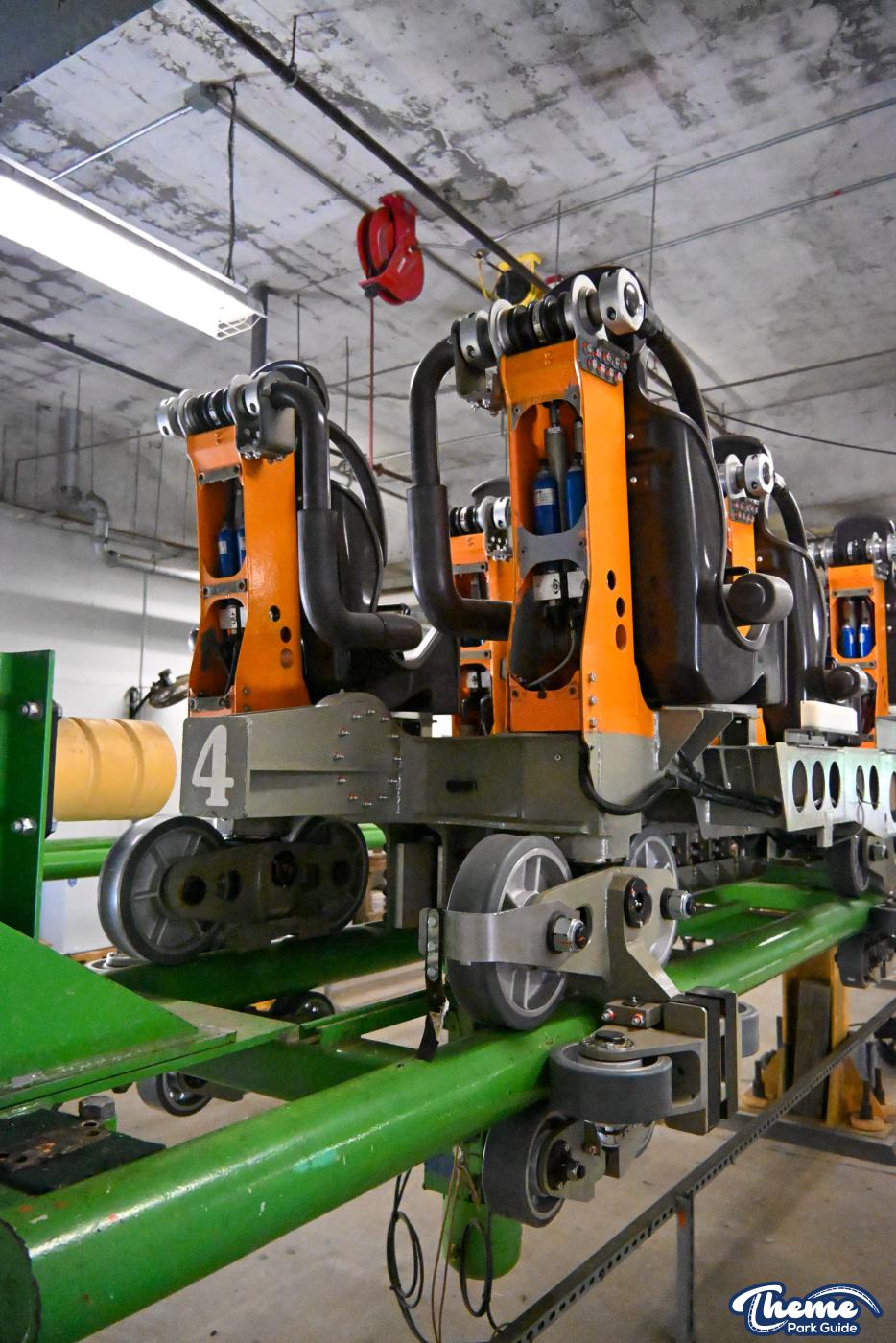
One of the biggest highlights was getting to explore Cheetah Hunt's maintenance facilities, where the team can work on two trains at once. We were shown the wheel storage racks and learnt that wheels are among the components requiring the most frequent attention. Worn wheels are sent to a specialist company in California for refurbishment, and unlike some UK rollercoasters, Cheetah Hunt doesn't use separate summer and winter wheel sets.
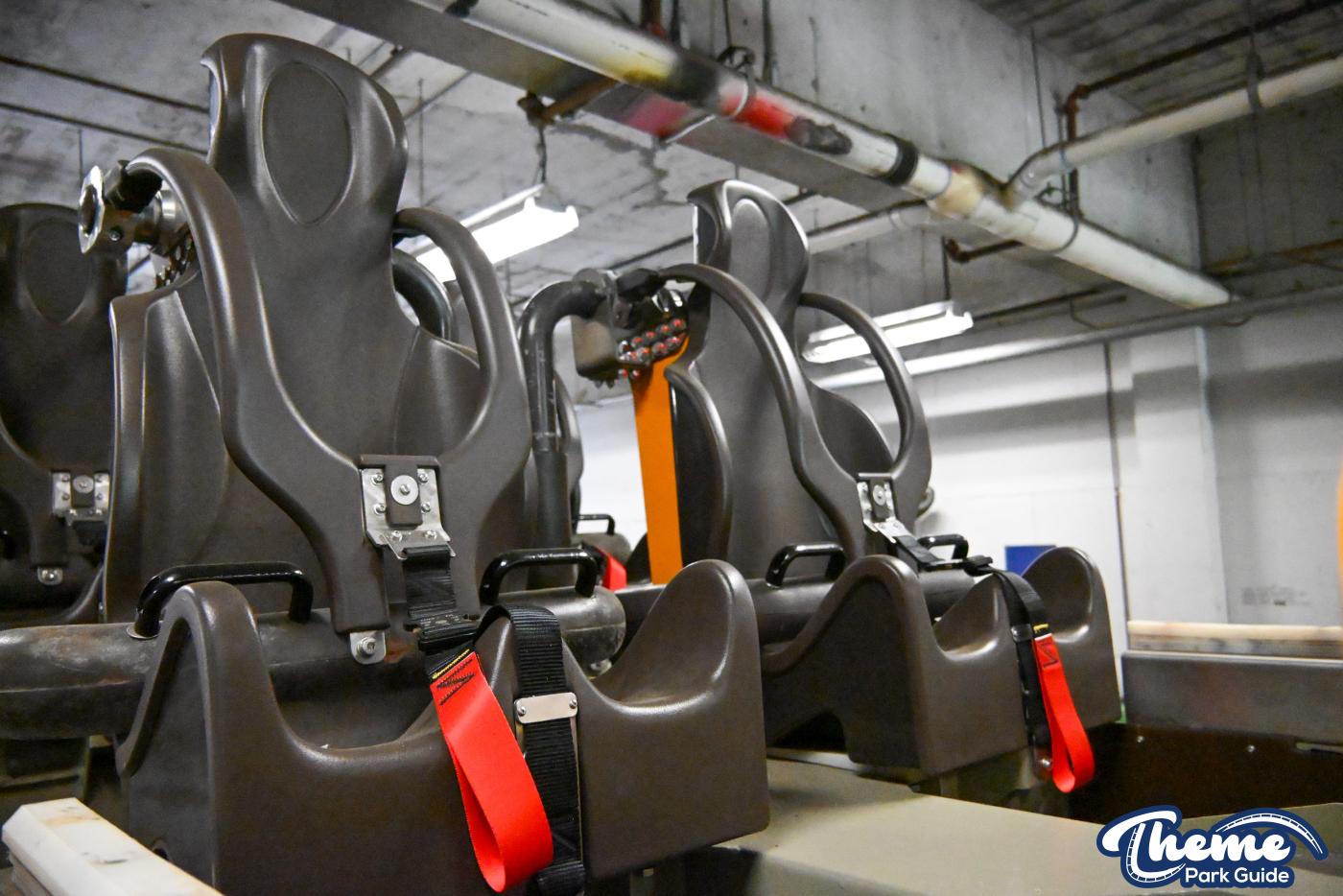
Each train undergoes a major maintenance programme after approximately 55,000 cycles, which our guide explained can take around six months to reach depending on operation. During this process, trains are dismantled, inspected and fitted with replacement components where required. We also learnt about the ride's restraint system, which uses redundant locking mechanisms. Although each restraint has two hydraulic components, the system is designed with multiple layers of safety, while the seatbelt provides an additional level of security and reassurance.
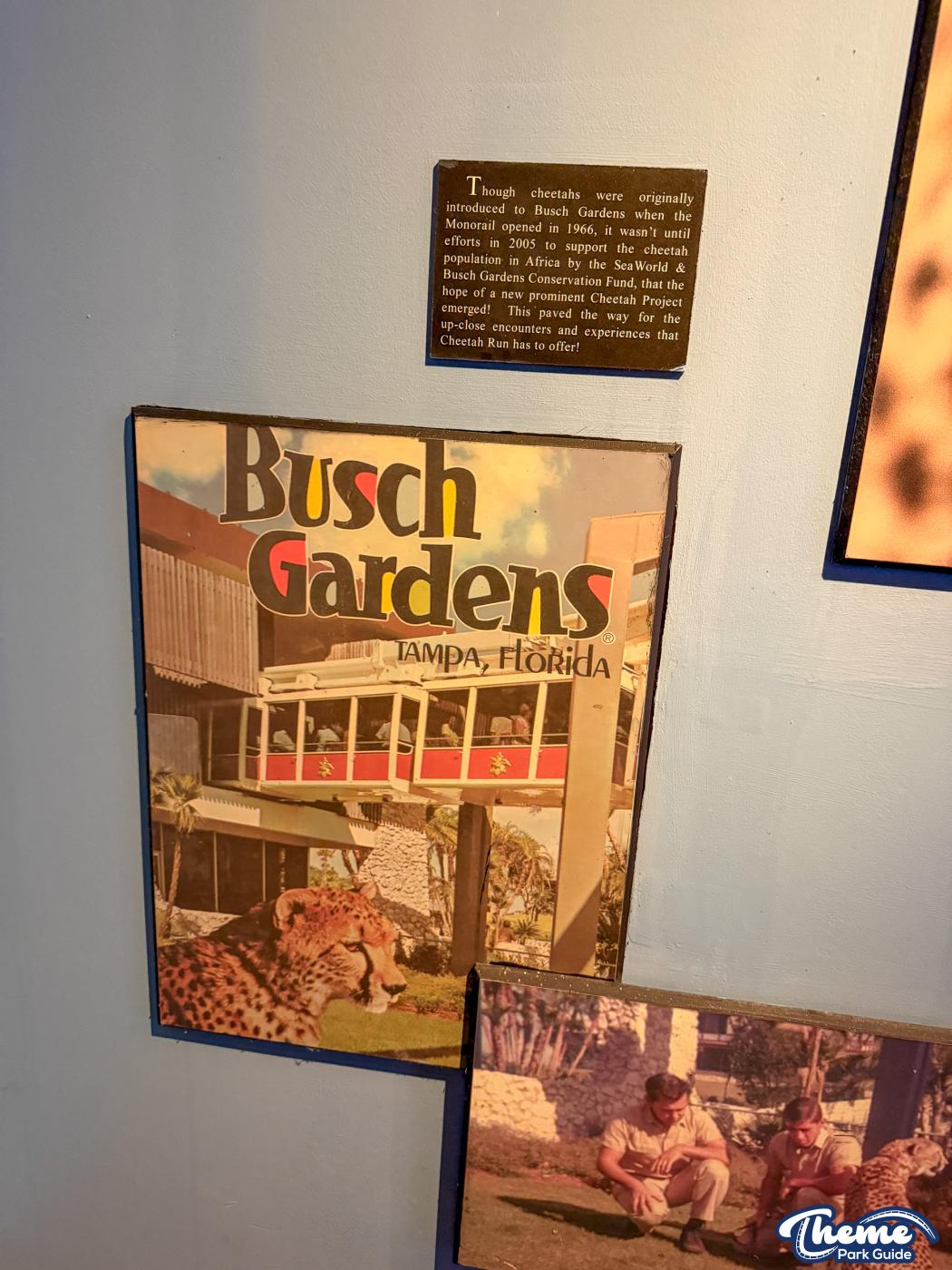
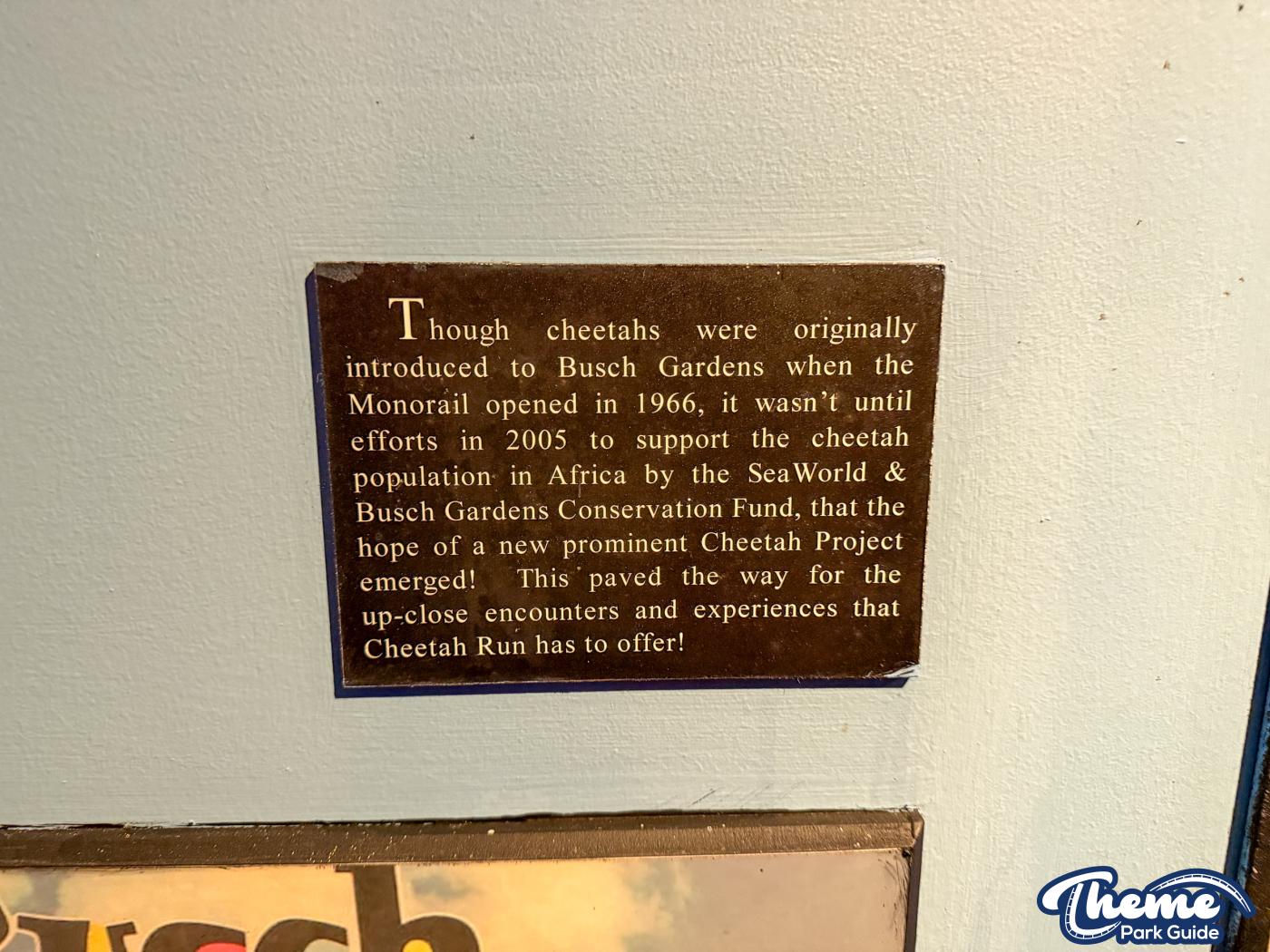
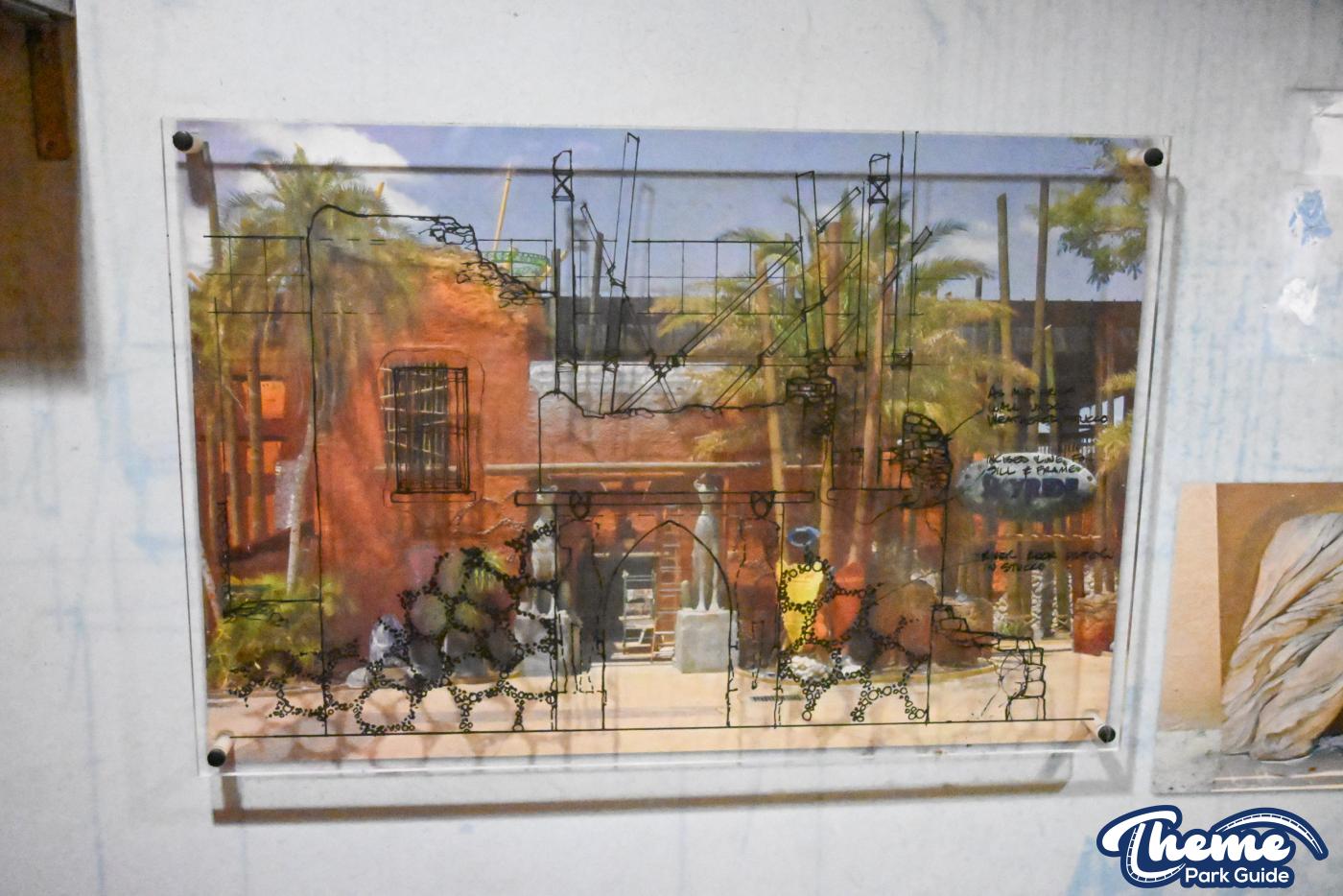
Another interesting detail we discovered was that the building now used for Cheetah Hunt's maintenance facilities was originally part of the park's former monorail attraction. It's a fascinating little piece of Busch Gardens history and a great example of how older park infrastructure has been repurposed for newer attractions.
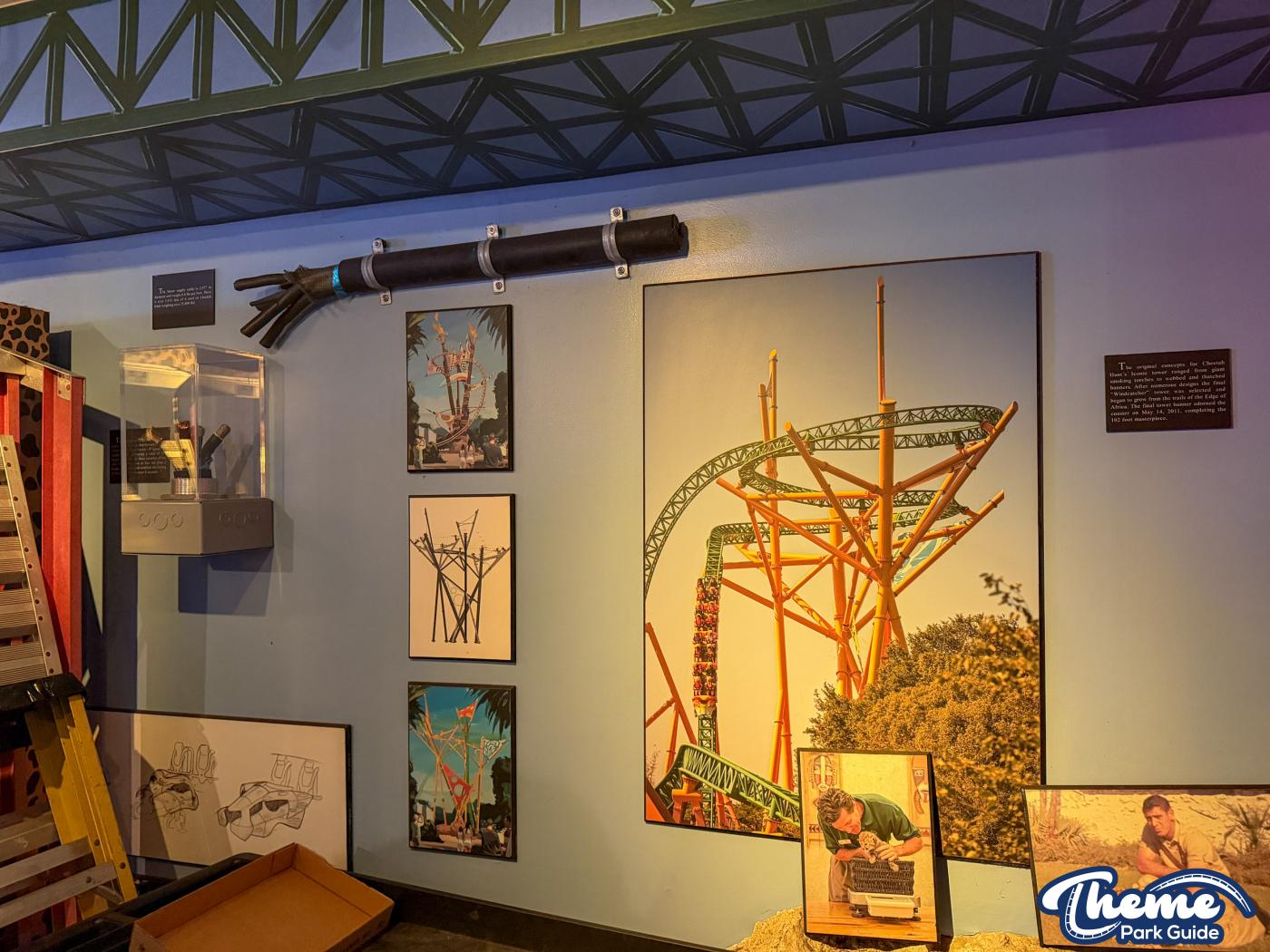
Our guide also shared an interesting comparison involving the enormous amount of electricity required to operate the launch system, describing it as the equivalent of approximately 150,000 iPhone batteries. It's an impressive way of putting the power of a launched rollercoaster into perspective! Standing so close to the launch track and seeing the technology in action was an incredible experience. It's one thing to ride Cheetah Hunt, but understanding how much engineering goes into every launch makes you appreciate the attraction even more.