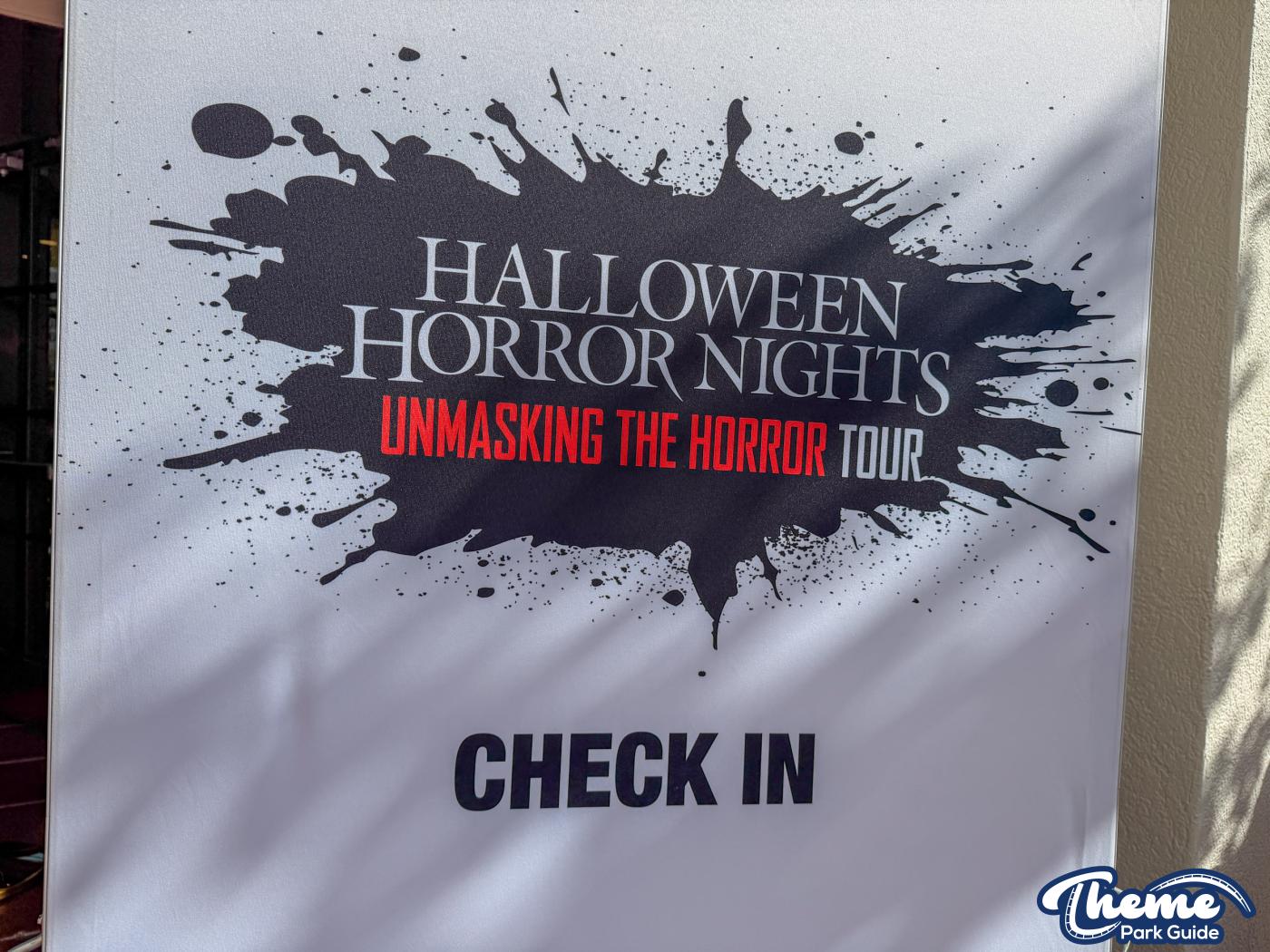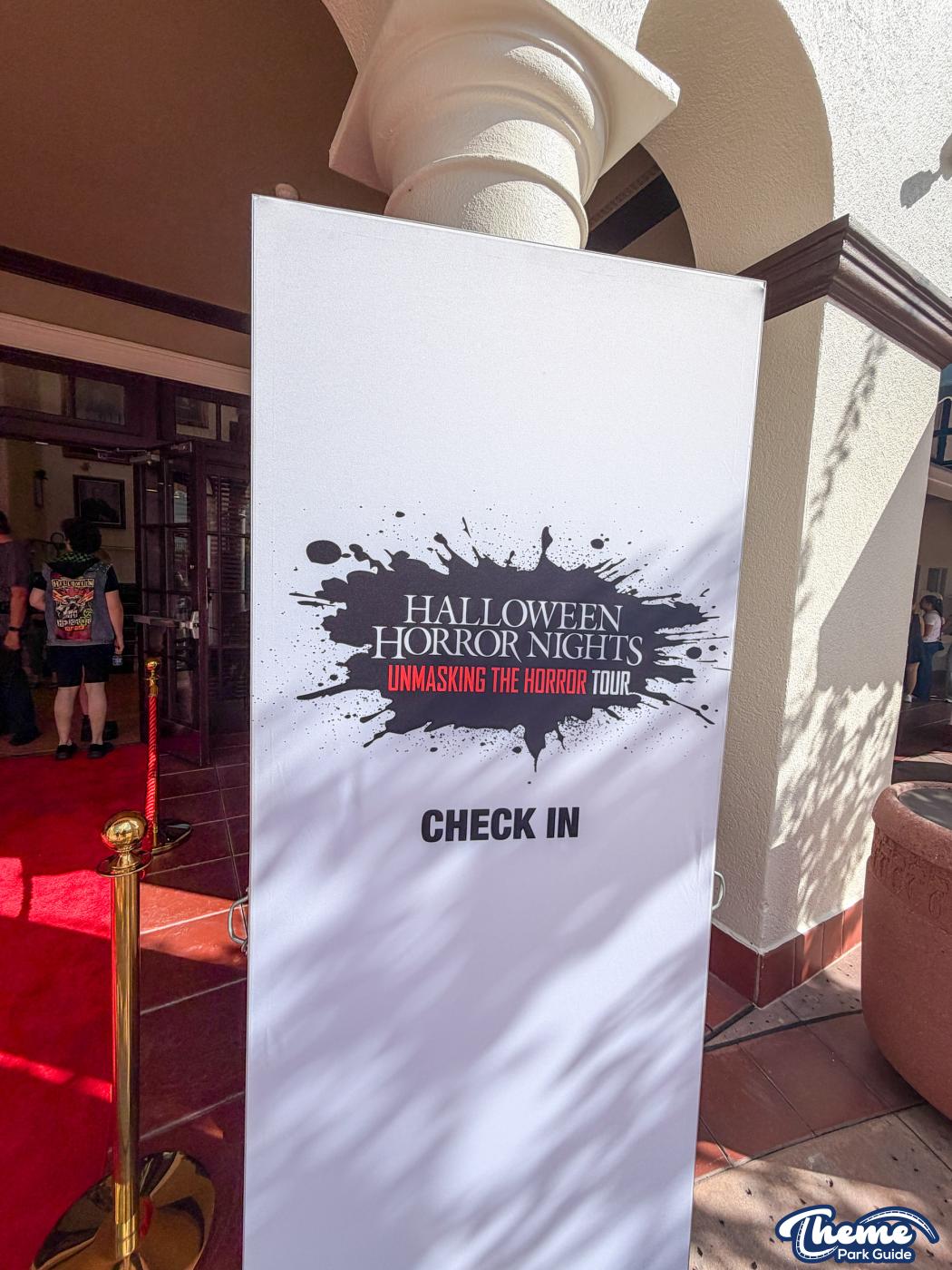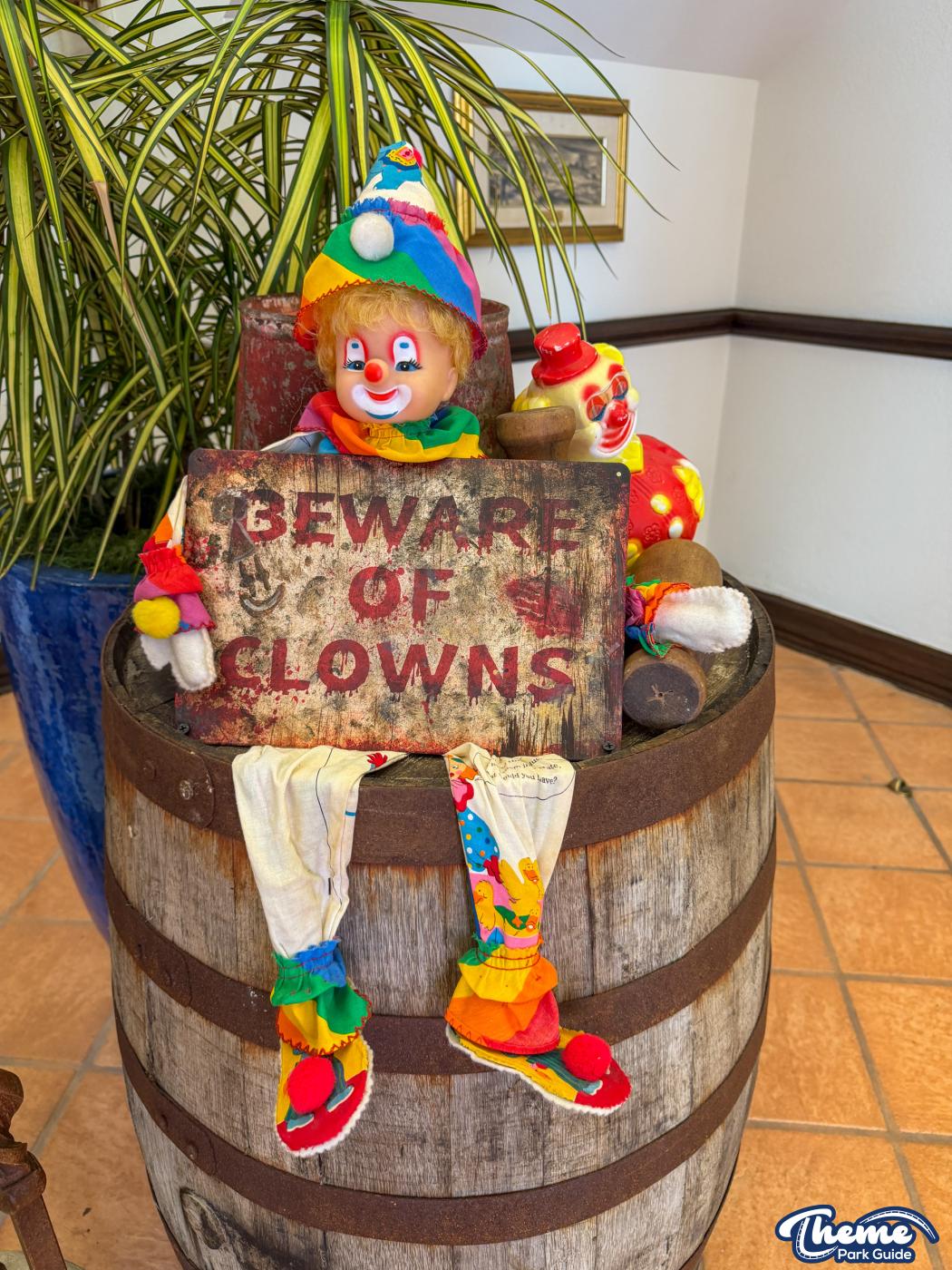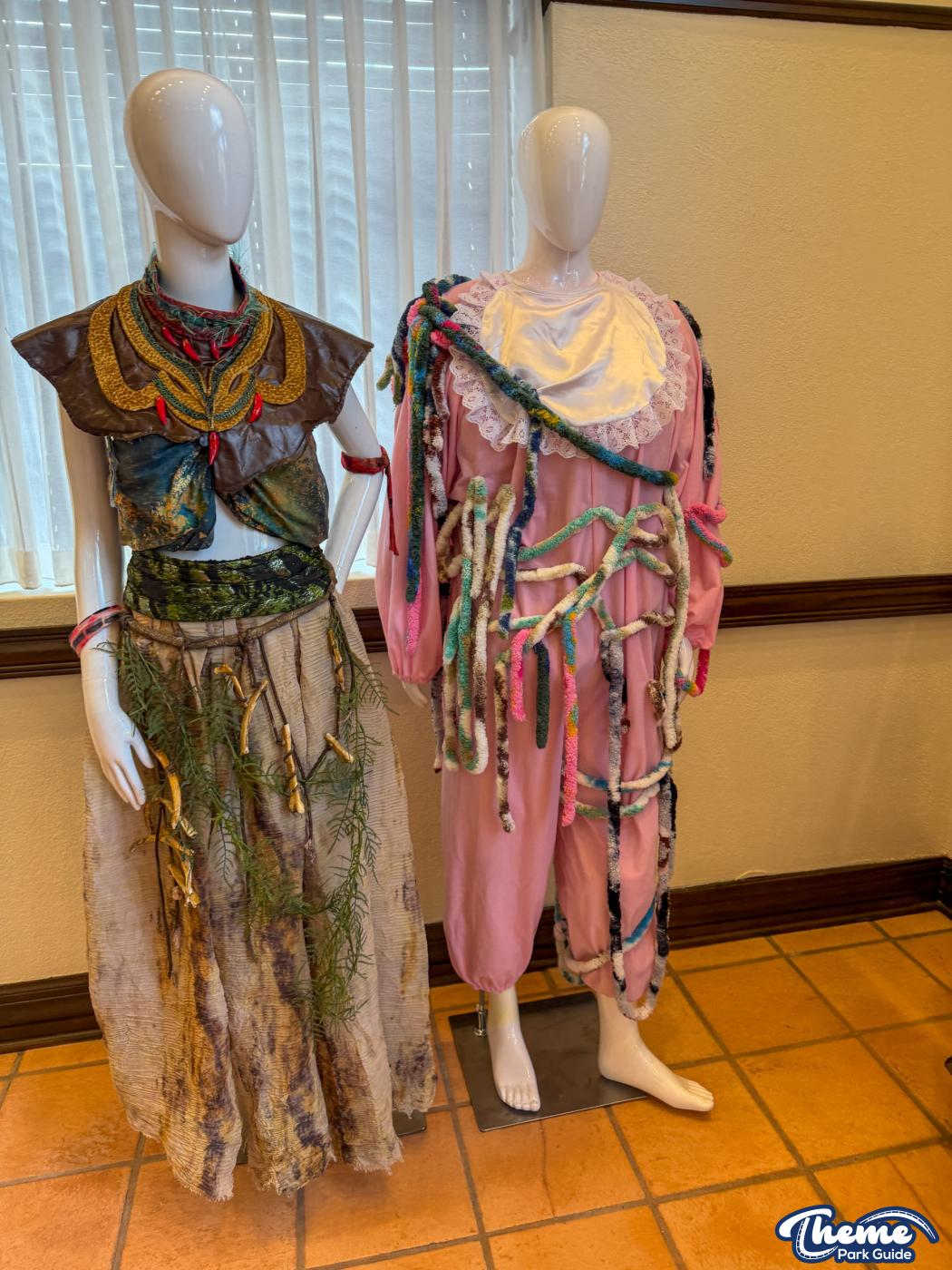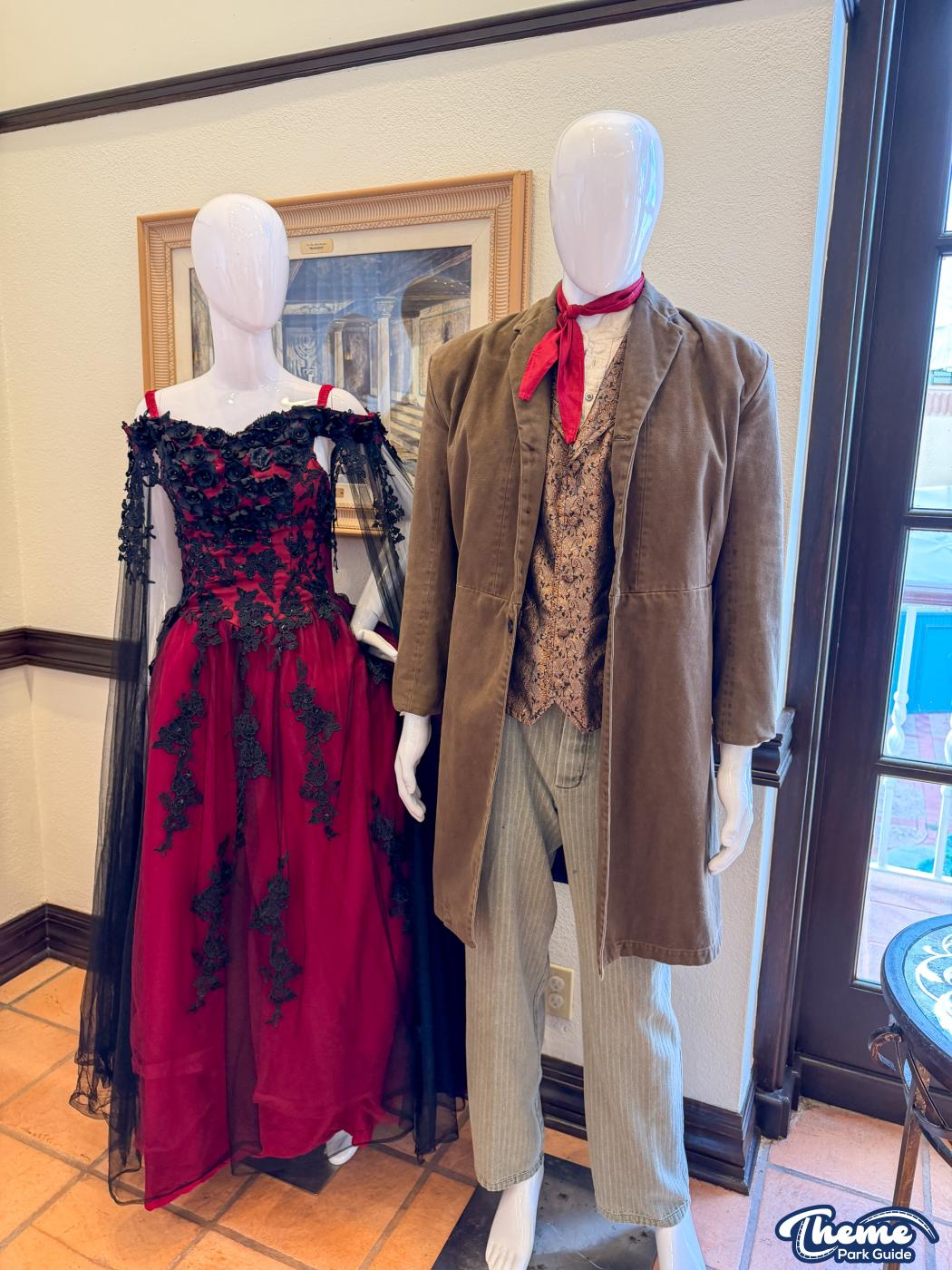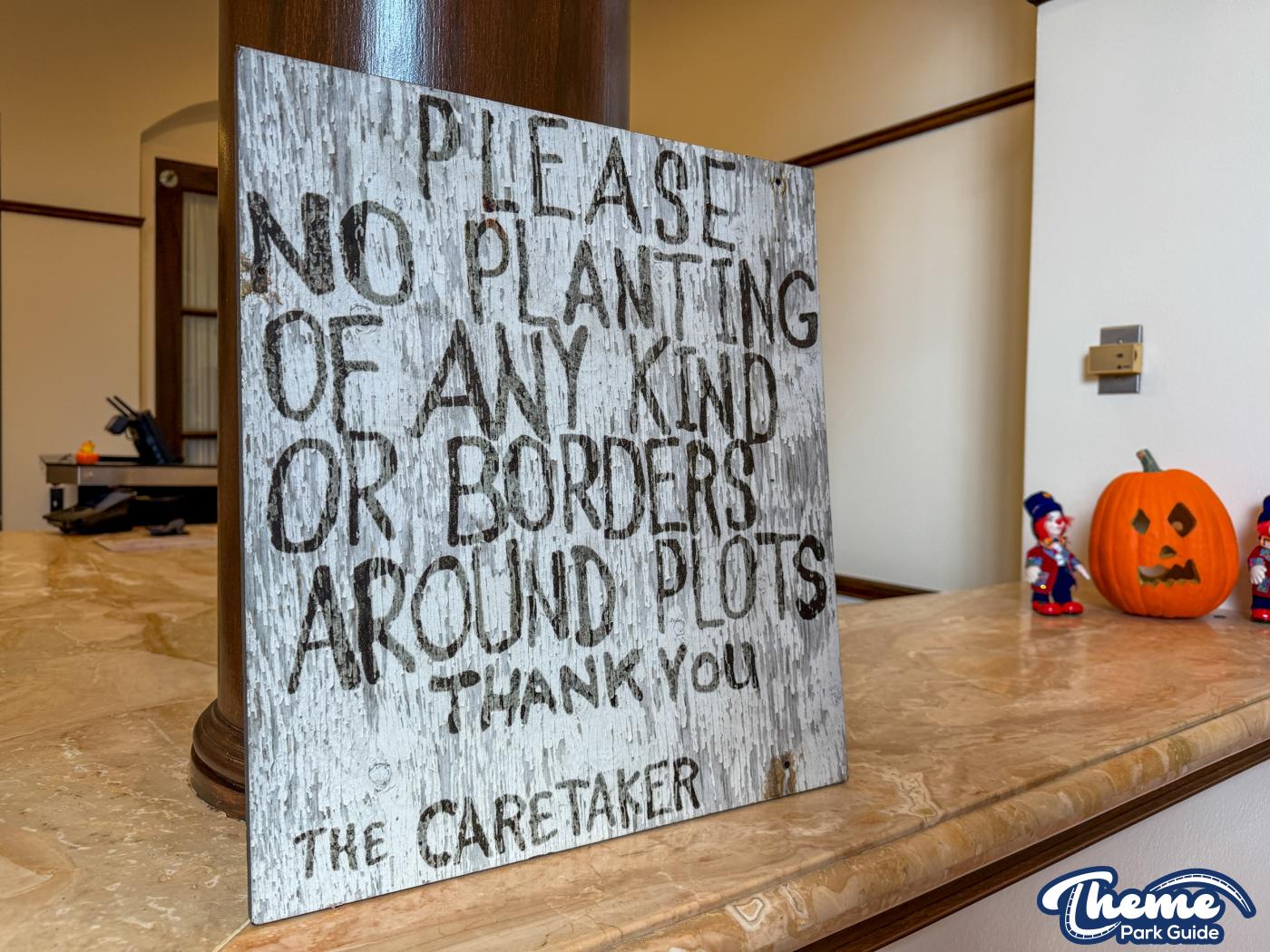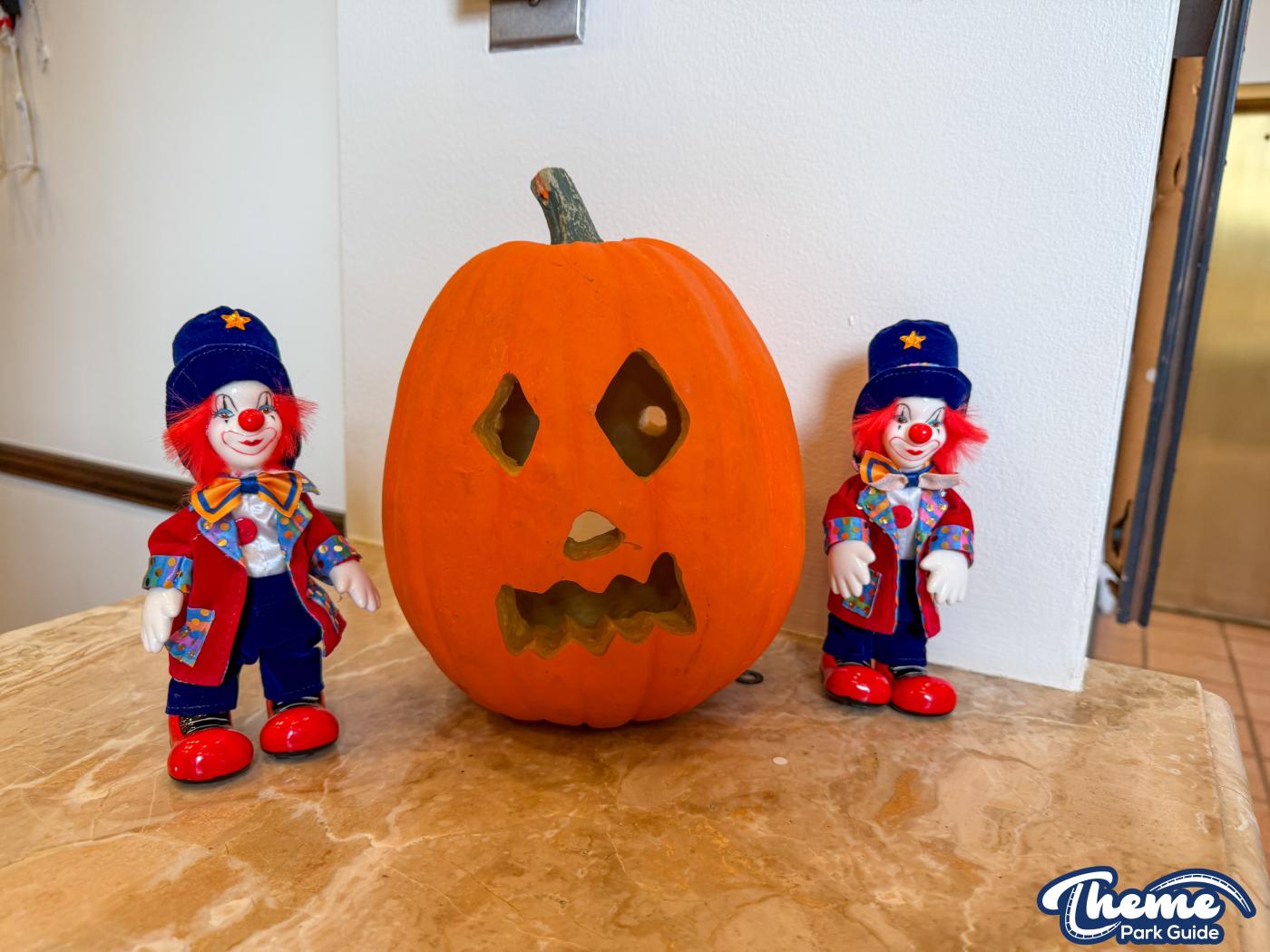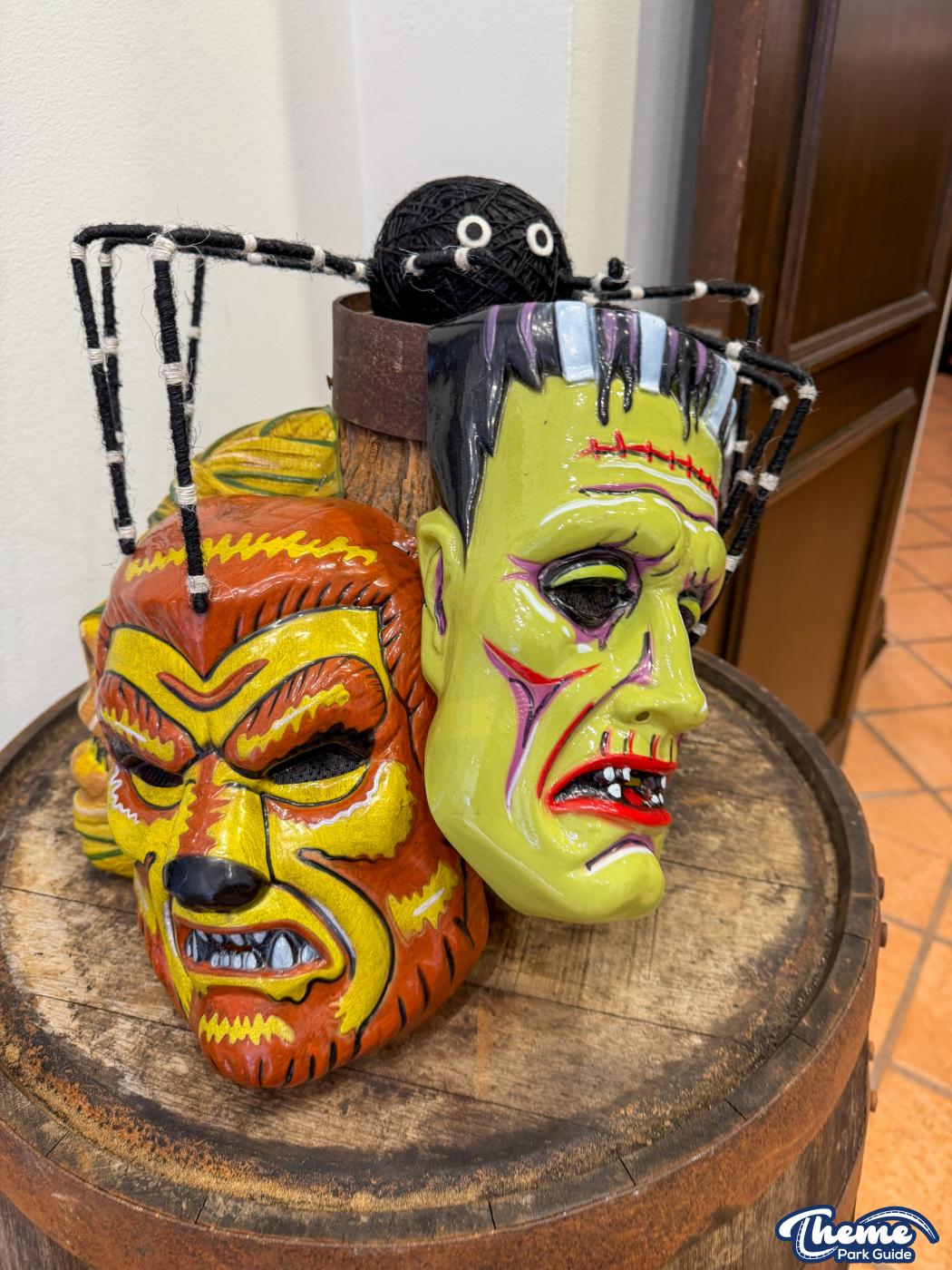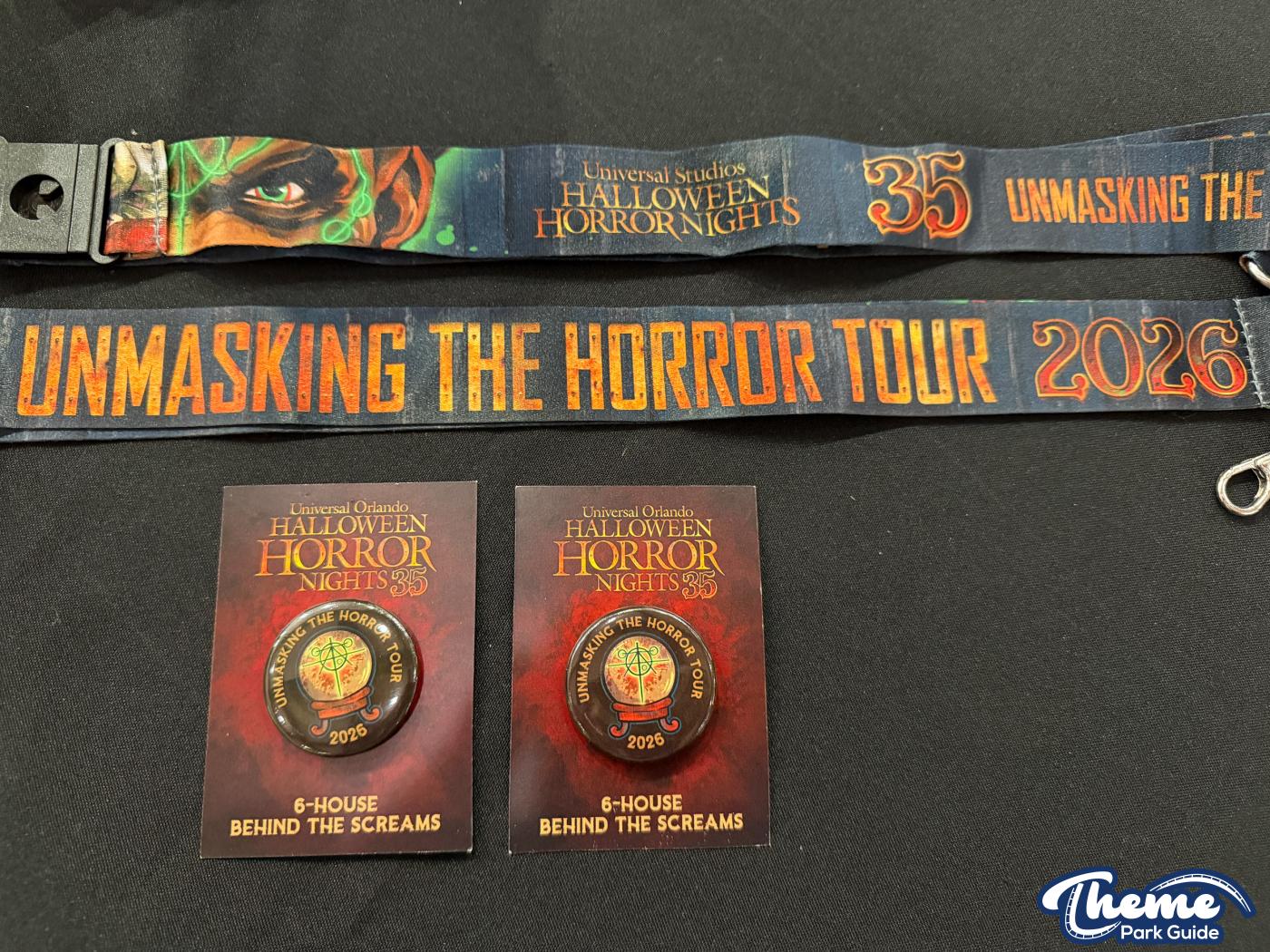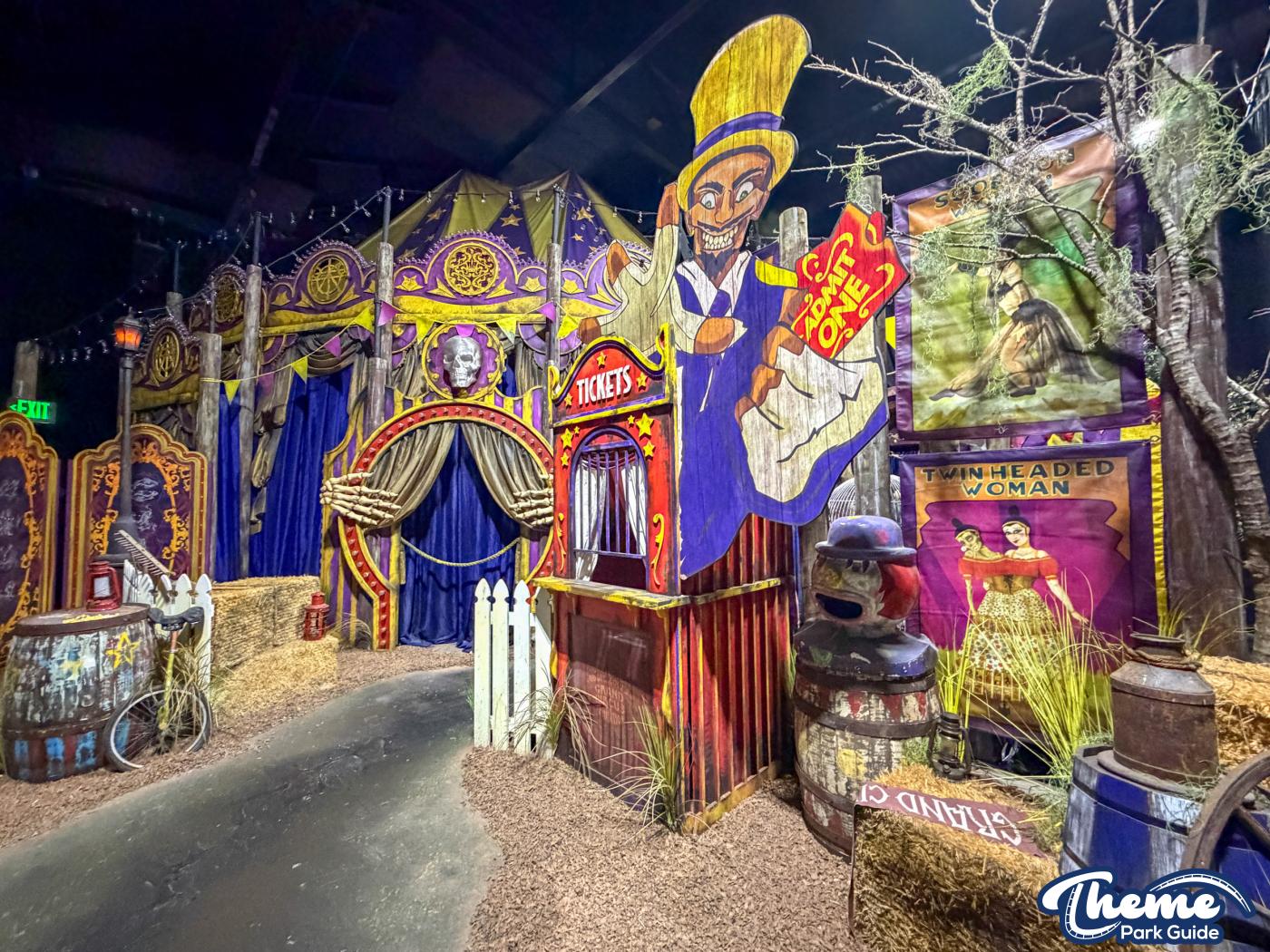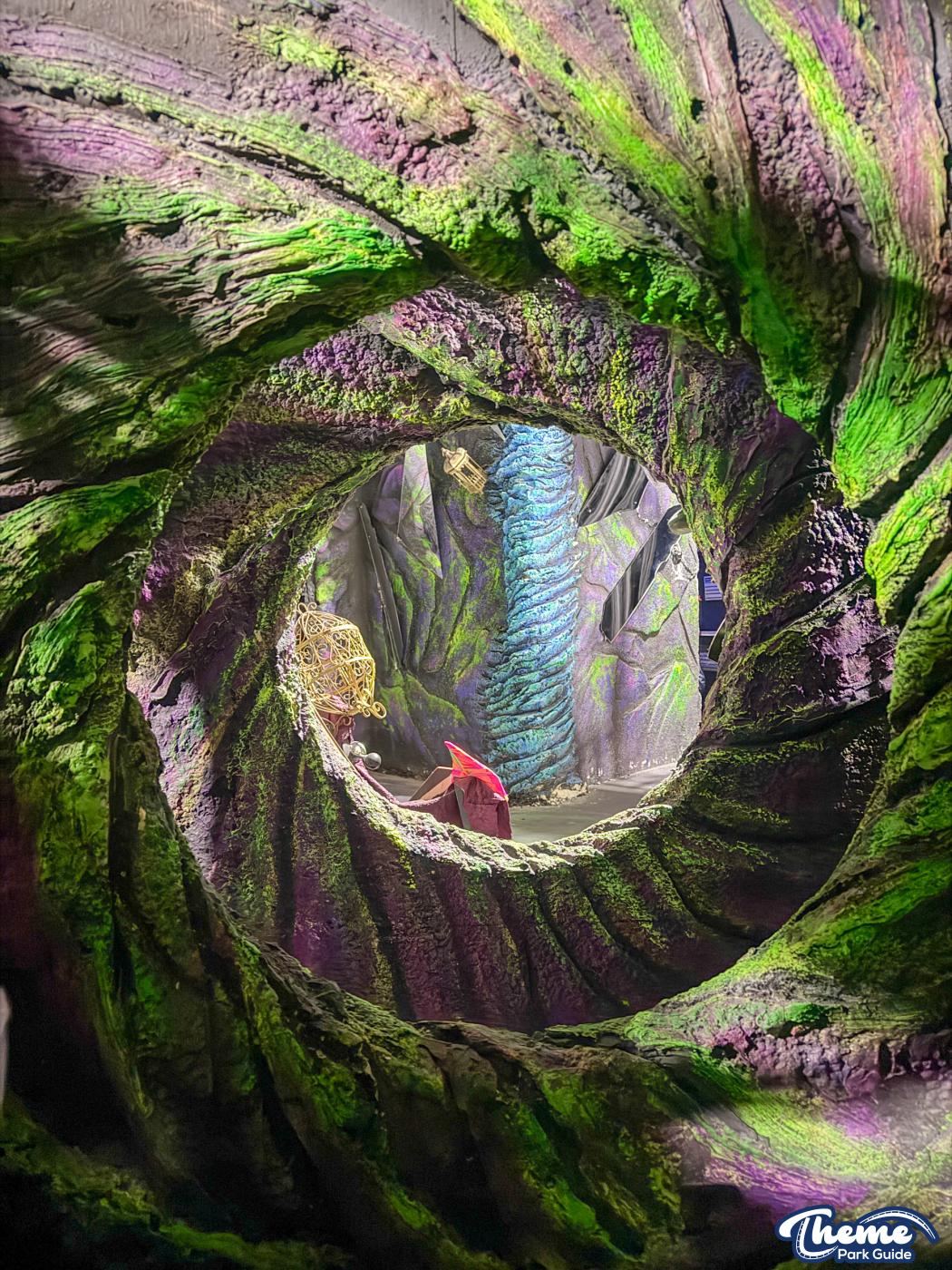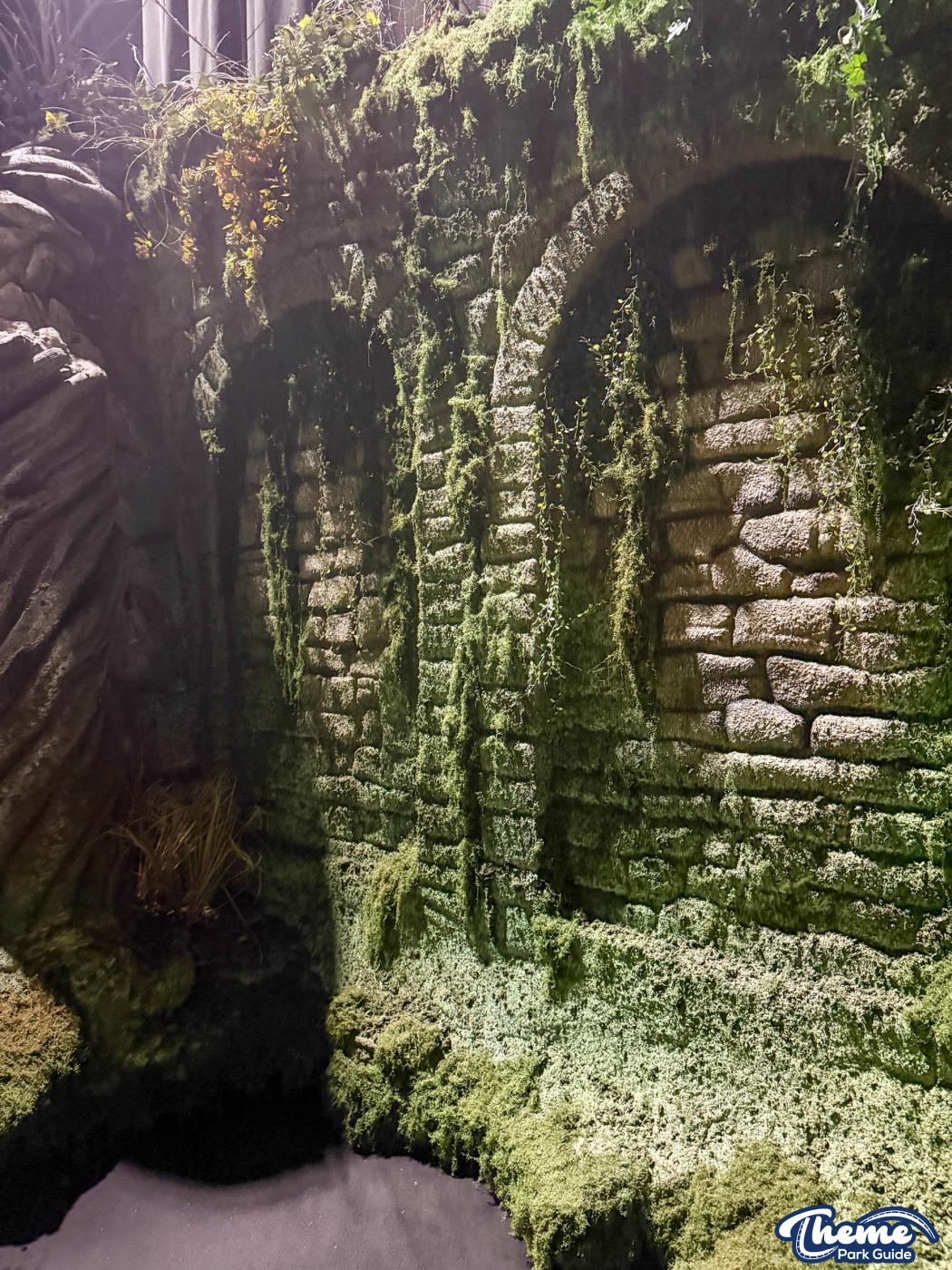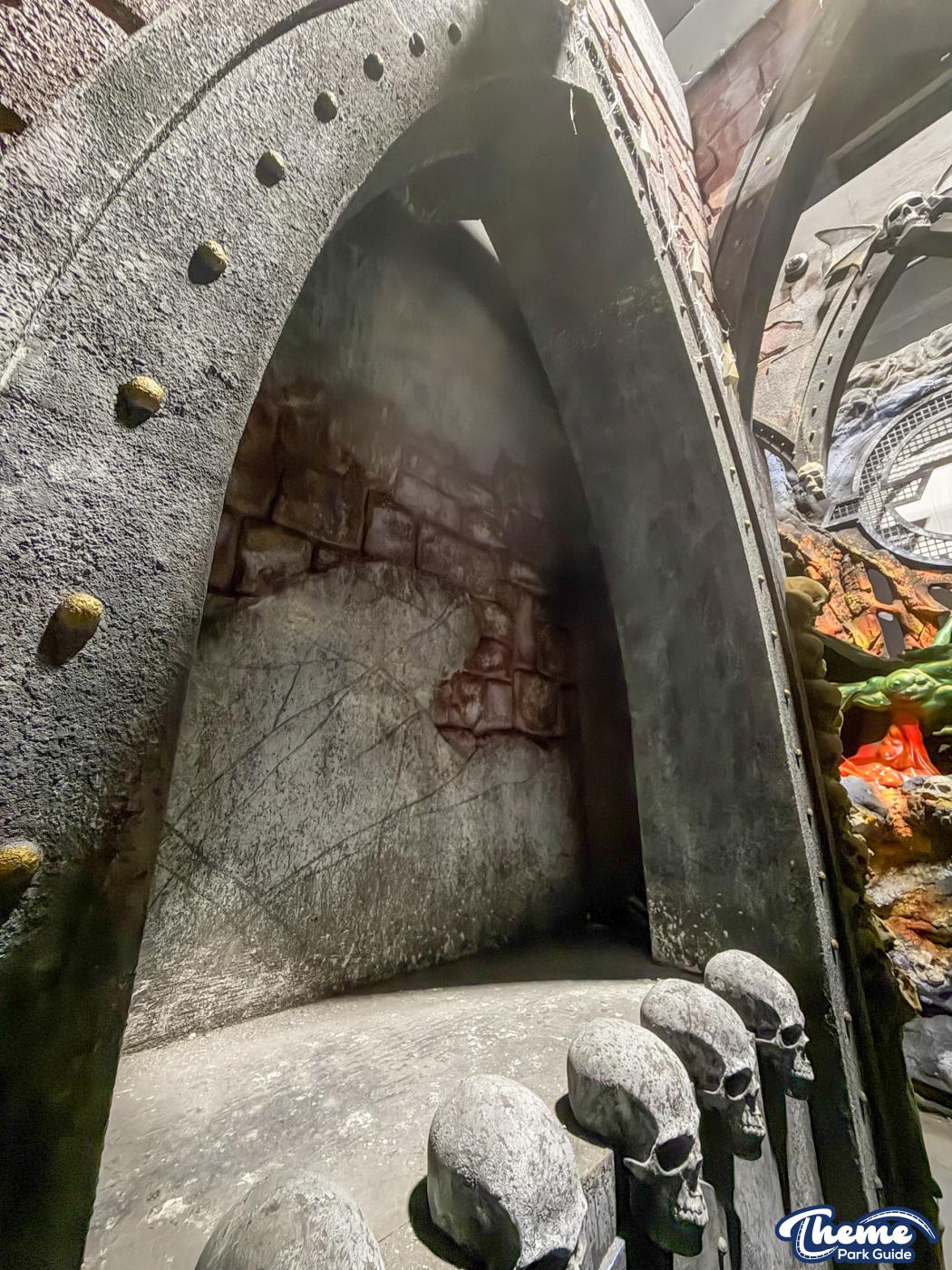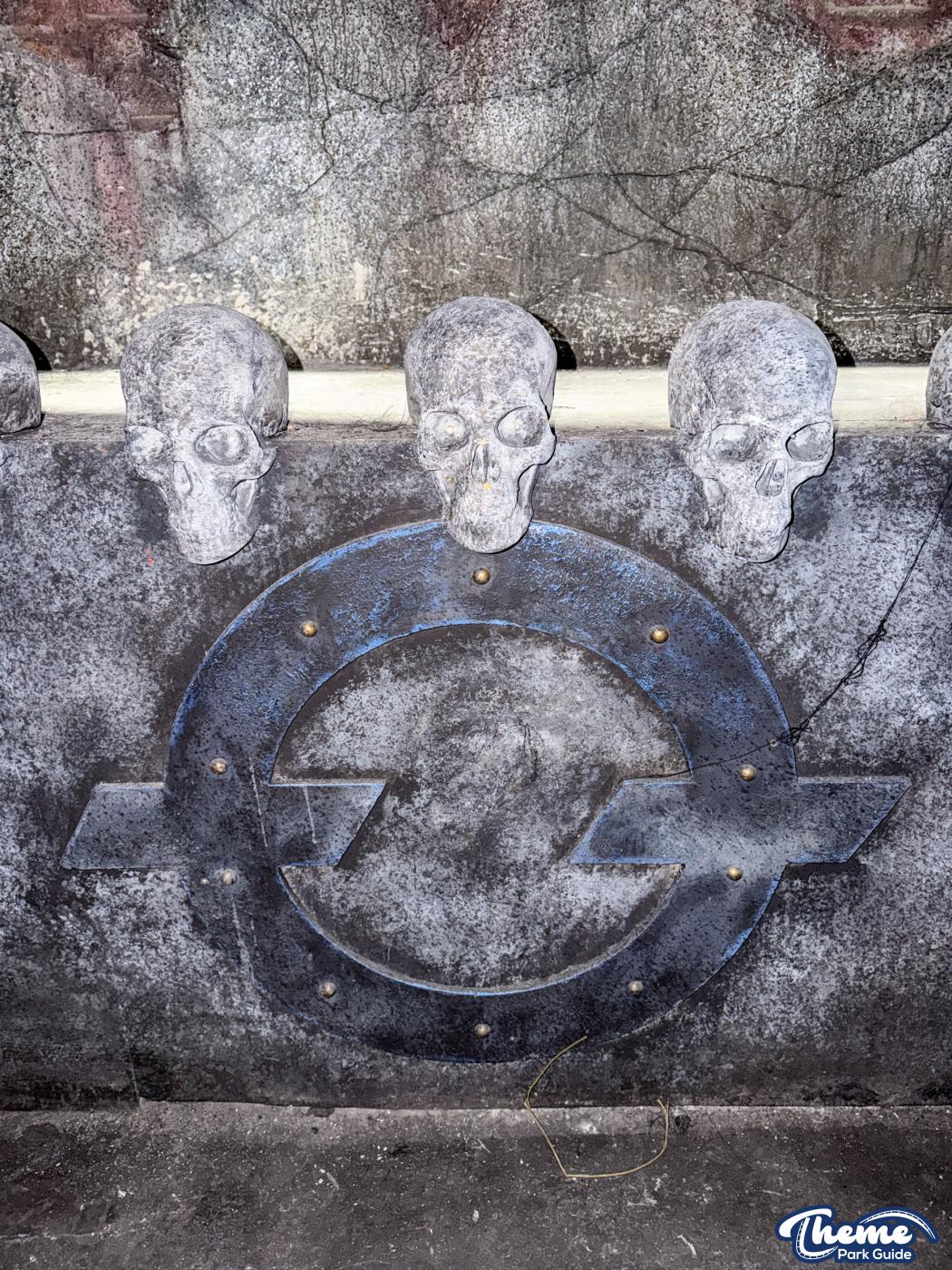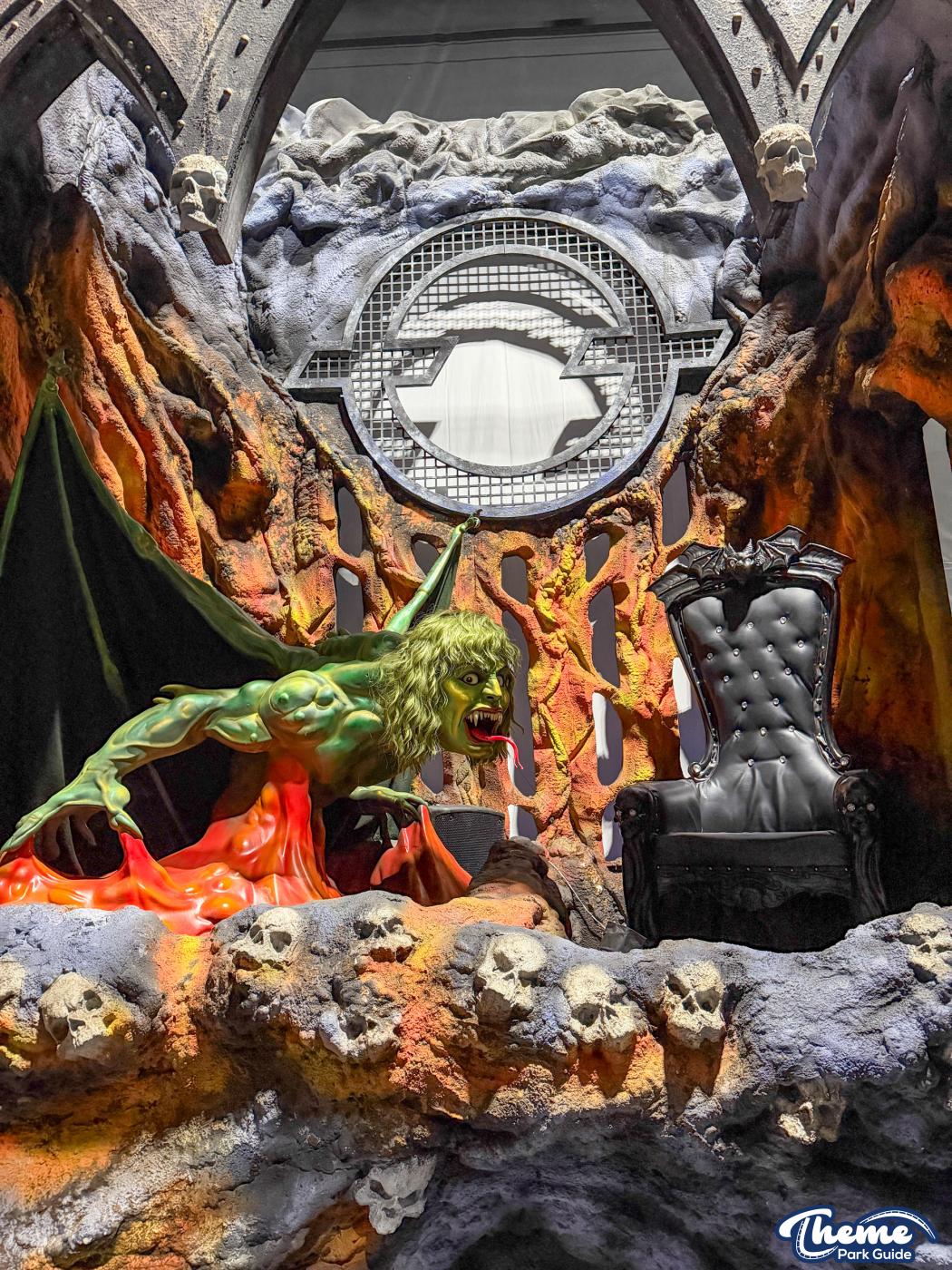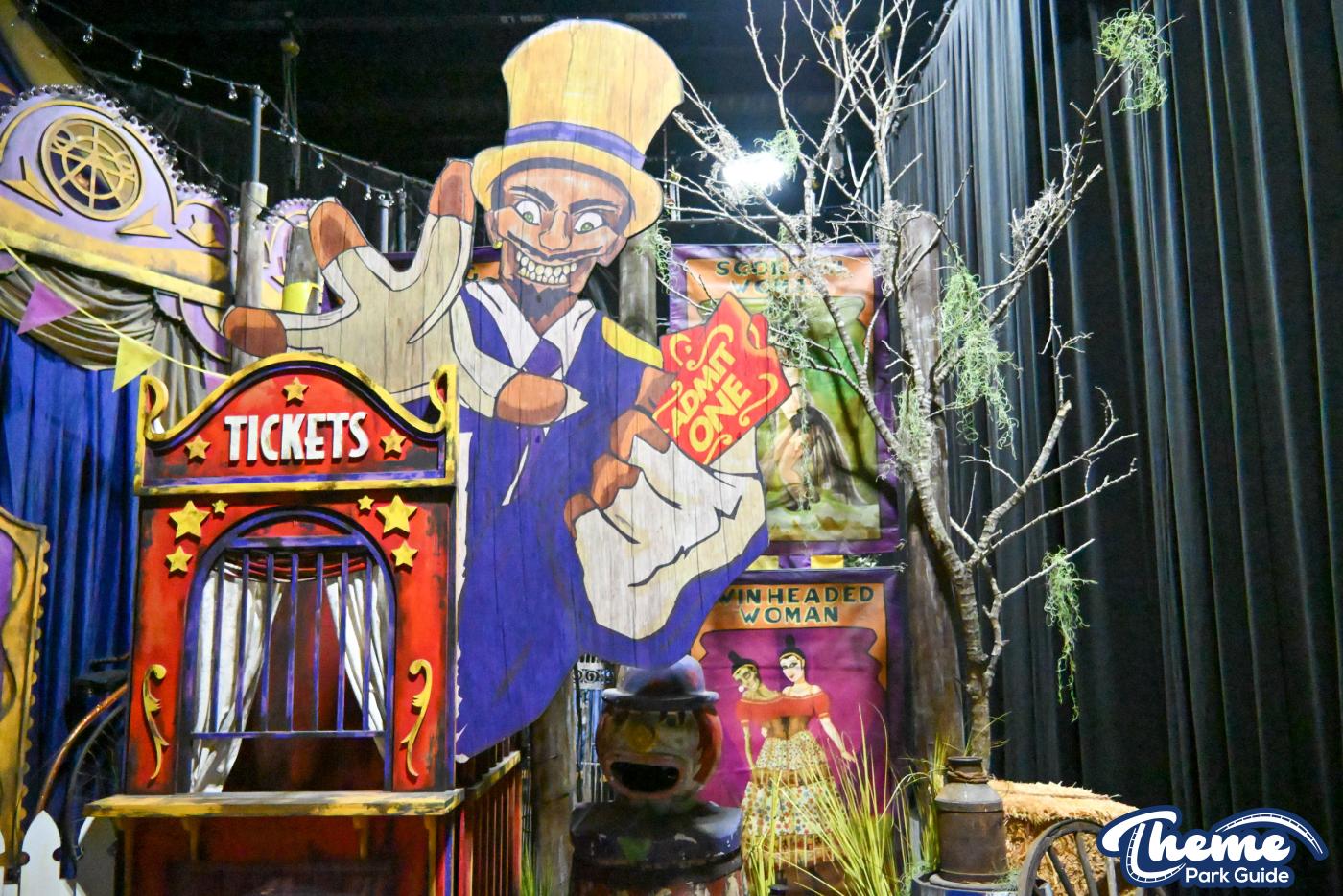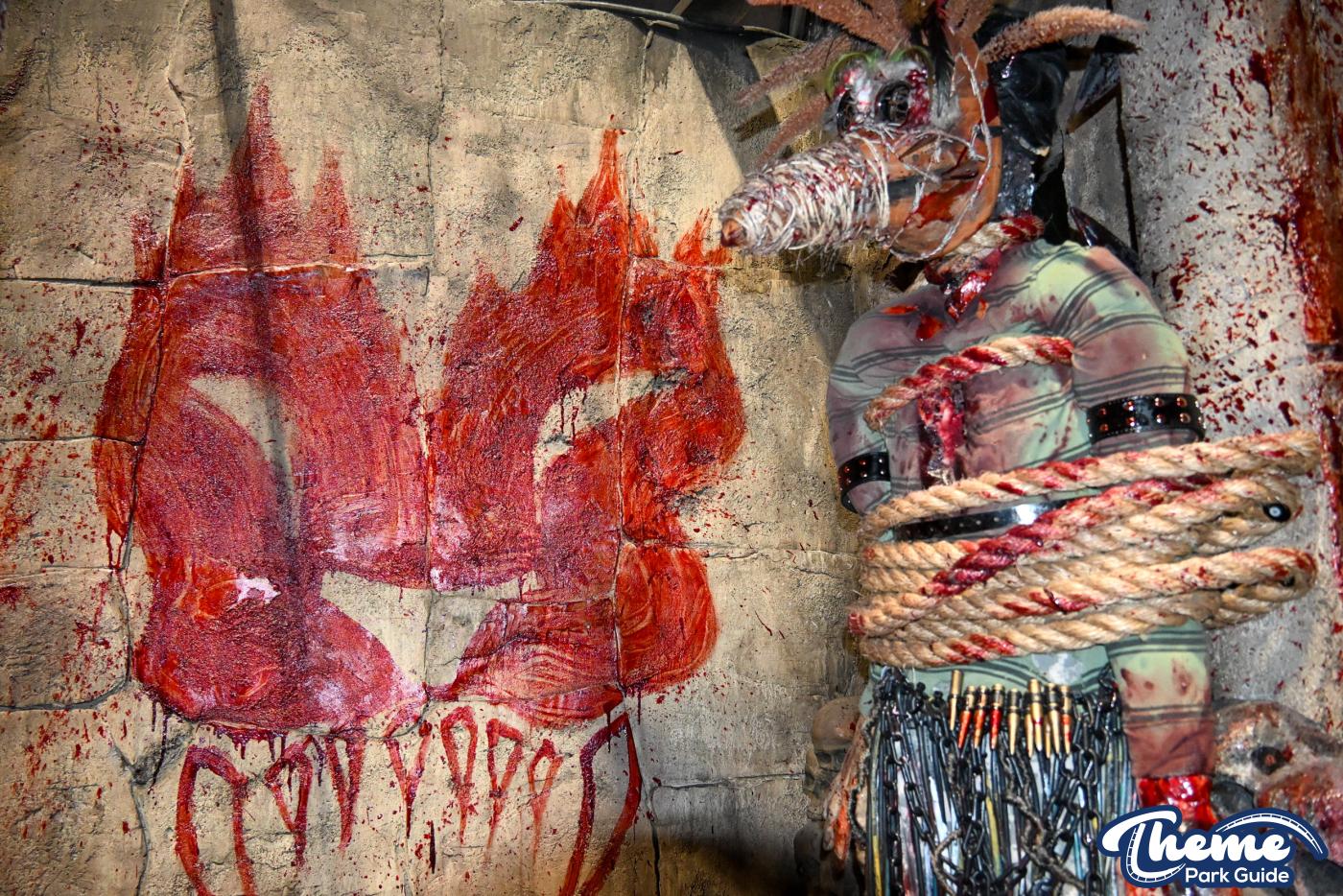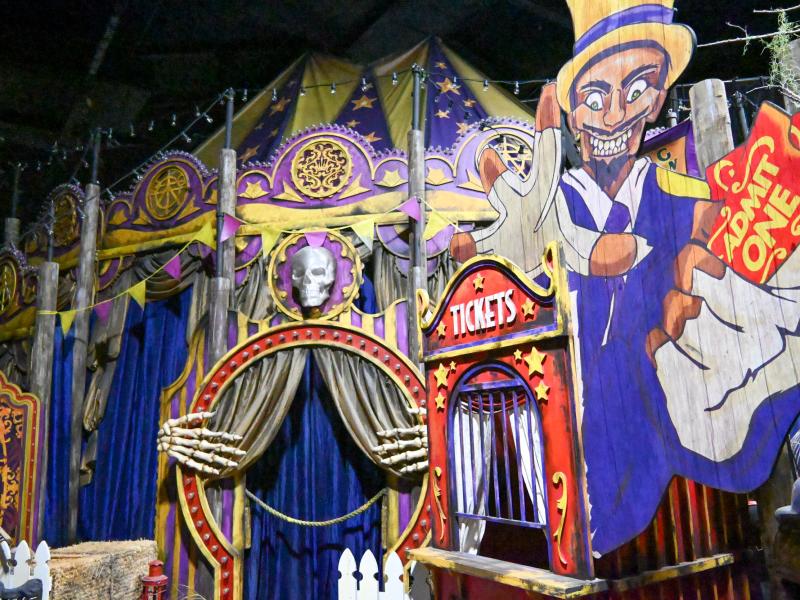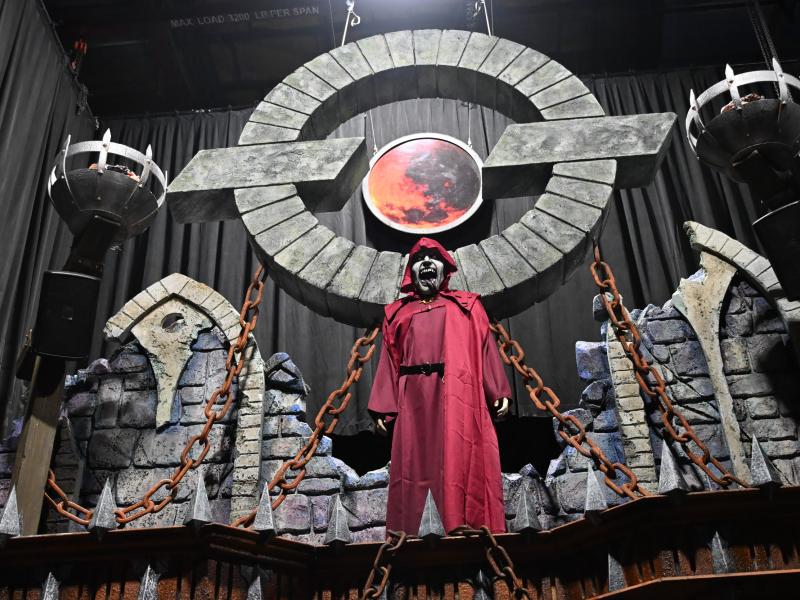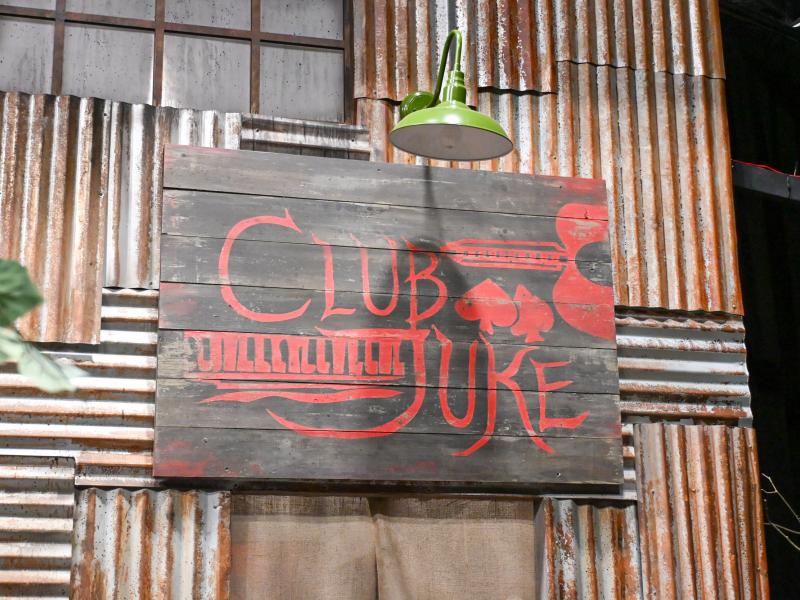
Halloween Horror Nights at Universal Orlando Resort is one of the biggest Halloween events in the world, but have you ever wondered what goes into creating its incredibly detailed haunted houses? From hidden Easter eggs and clever special effects to the stories behind the scares, the Behind the Screams: Unmasking the Horror Tour offers a fascinating opportunity to explore the houses with the lights on.
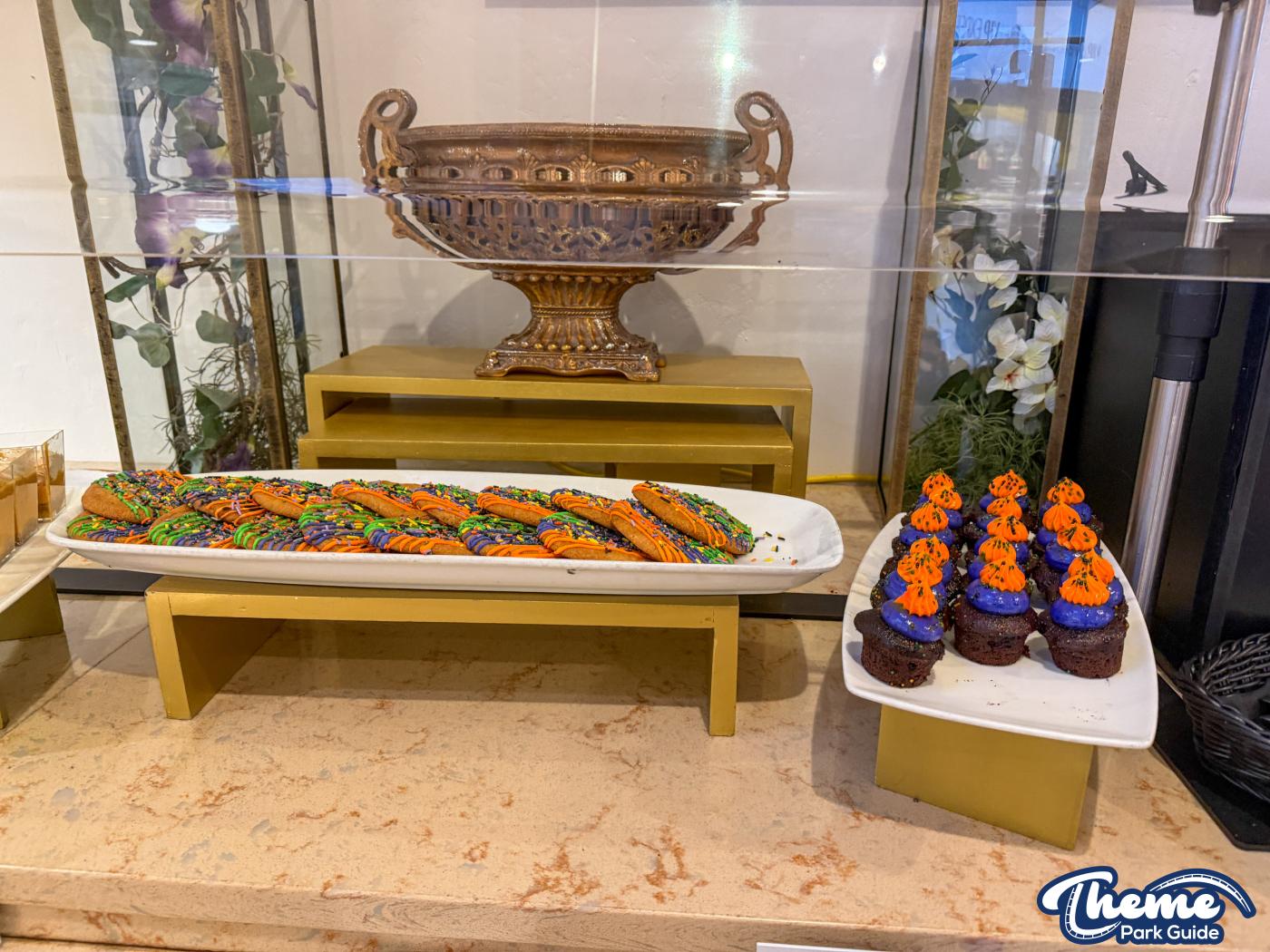
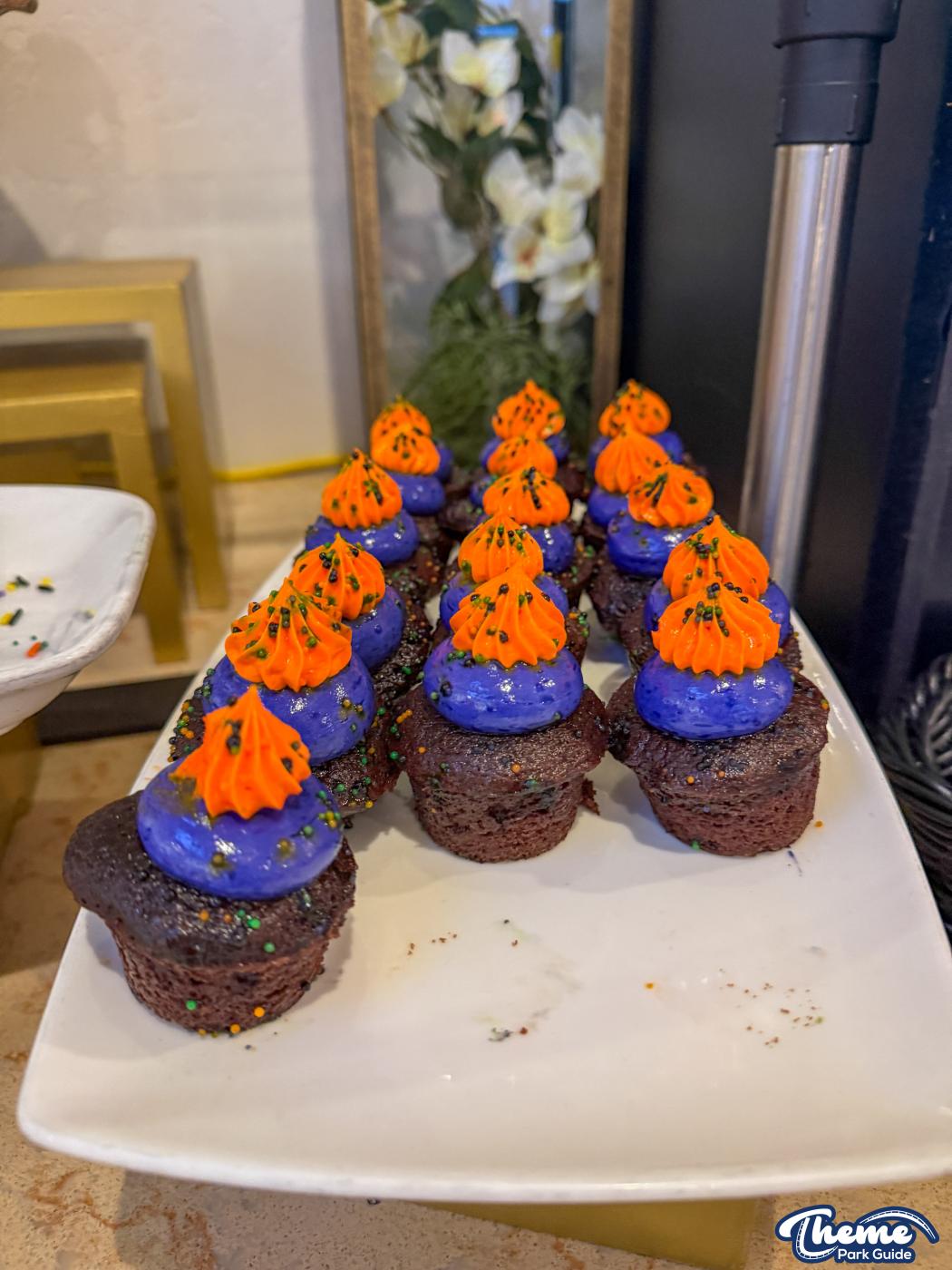
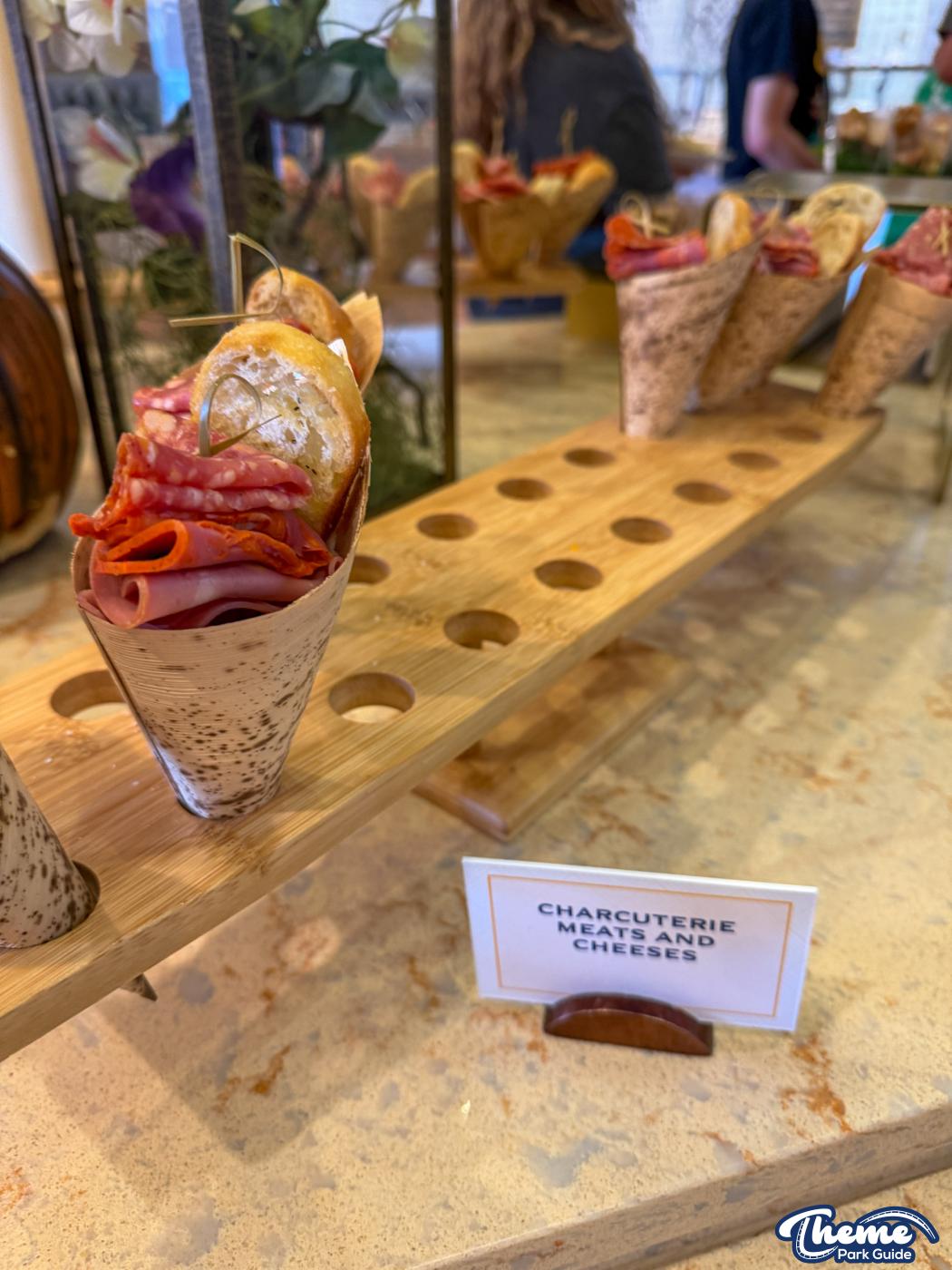
For Halloween Horror Nights 35, we booked the six-house tour, which lasts up to five hours and starts from $229.99 plus tax per person. The experience includes guided walkthroughs of six haunted houses, plenty of behind-the-scenes information and a buffet-style lunch. Our tour included Jack & Oddfellow: Chaos & Control, Stranger Things 5, Evil Dead Burn, Ozzy Osbourne: Prince of Darkness, Sinners and Madlands: Caged Cannibals.
Our tour guide, Kyle, was absolutely fantastic. His knowledge of Halloween Horror Nights was incredible, and no matter what questions we asked, he seemed to know the answers instantly. With this year marking 35 years of Halloween Horror Nights, it felt like the perfect opportunity to discover some of the secrets behind the event.
Behind the Screams – How Halloween Horror Nights Comes to Life
Before exploring the individual houses, we learnt some fascinating facts about the history of Halloween Horror Nights and the enormous amount of planning involved in bringing the event to life each year. The event originally began in 1991 as Fright Nights, running for just three nights and featuring a single haunted house, The Dungeon of Terror, located in the Jaws queue area. It's incredible to think how much the event has grown since then, with elaborate haunted houses, scare zones and entertainment taking over Universal Studios Florida every autumn.
One of the most interesting things we discovered was just how early the creative process begins. Our guide explained that concepts can start being discussed around 16 to 18 months before the houses are constructed, with approximately 25 to 30 initial ideas eventually narrowed down to a smaller selection. These concepts are then developed alongside the intellectual properties selected for the event. Every house begins with drawings before being recreated digitally, allowing the creative team to make sure the layout, scenery and effects will fit inside its allocated building or tent. Some houses occupy a building entirely on their own, known as a single-run house, while others share a building with another haunted house in a double-run configuration.
The amount of work involved in maintaining and eventually dismantling these attractions is equally impressive. We were told that a decorating team can consist of around eight to ten people, with the construction teams working to incredibly tight schedules once the event finishes. According to our guide, teams have approximately three days per house to remove decorations and fixtures, followed by another three days to transport items into storage. Everything inside the haunted houses is also treated with flame-retardant materials as part of the event's safety requirements.
We also learnt about some of the systems used to create the scares. Halloween Horror Nights uses both actor-activated triggers (AATs), where a performer controls an effect, and non-actor-activated triggers (NATs), which operate independently. Another detail we'd never noticed before involves the flooring. If you feel a rubber mat beneath your feet while walking through certain sections of a haunted house, it can indicate an upcoming water-spray scare. Scare actors also work on a rotation of approximately 45 minutes performing and 45 minutes off, helping them maintain the energy needed to deliver scares throughout the night.
One particularly fun detail was discovering that every haunted house has its own internal codename. The creative team uses a different theme each year, with previous themes including flowers and desserts. For Halloween Horror Nights 35, the theme was transportation, with each house receiving its own unique codename.
Here are the codenames used for this year's haunted houses:
Jack & Oddfellow: Chaos & Control – Balloon
Stranger Things 5 – Bus
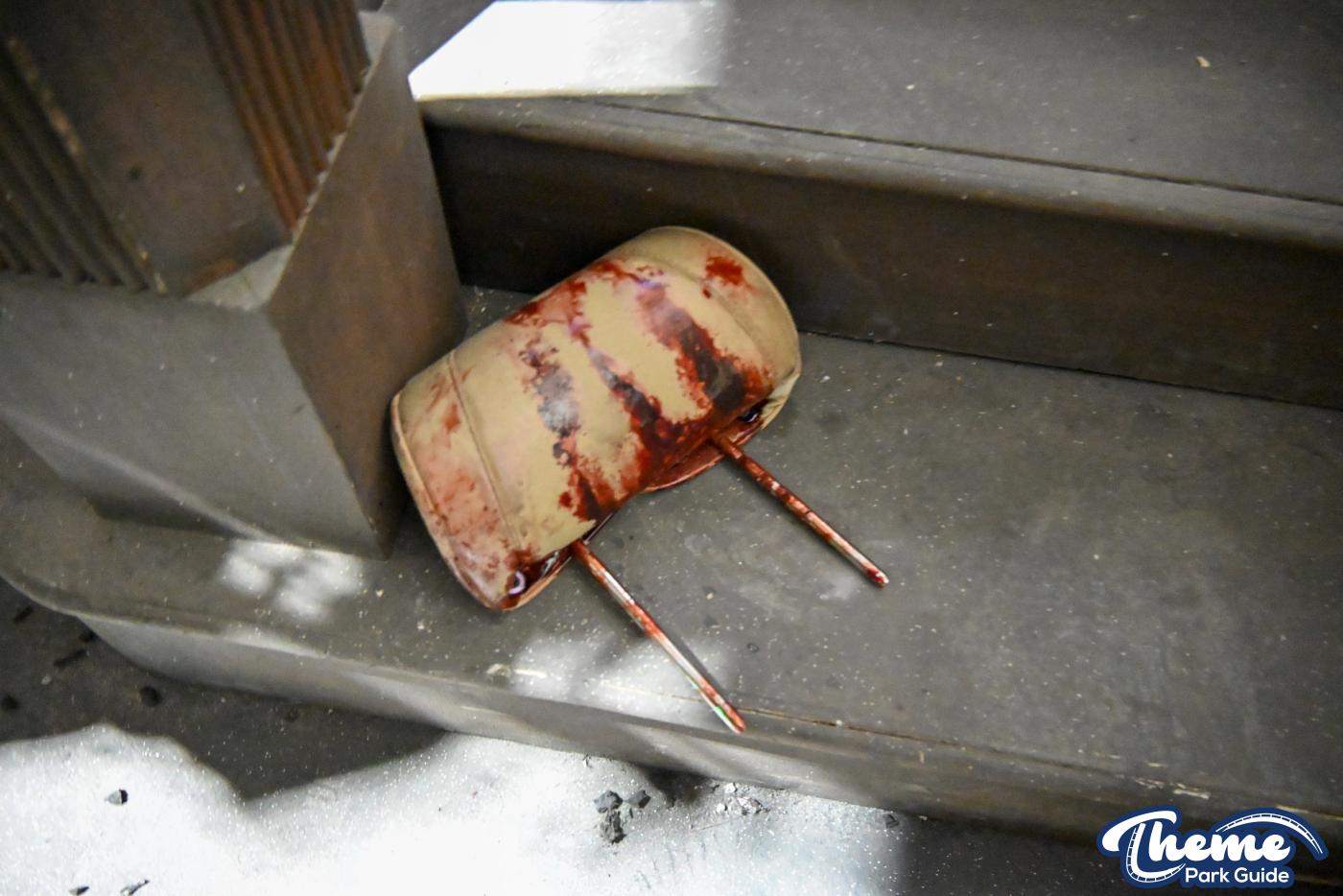
Evil Dead Burn – Car
Ozzy Osbourne: Prince of Darkness – Chariot
Sinners – Hearse
Madlands: Caged Cannibals – Train
Cybergoria – Helicopter
Hellraiser – Tractor
Alien – Shuttle
Blood & Guts – Wagon
It's a clever way of keeping the projects organised while maintaining some secrecy during development.
Jack & Oddfellow: Chaos & Control
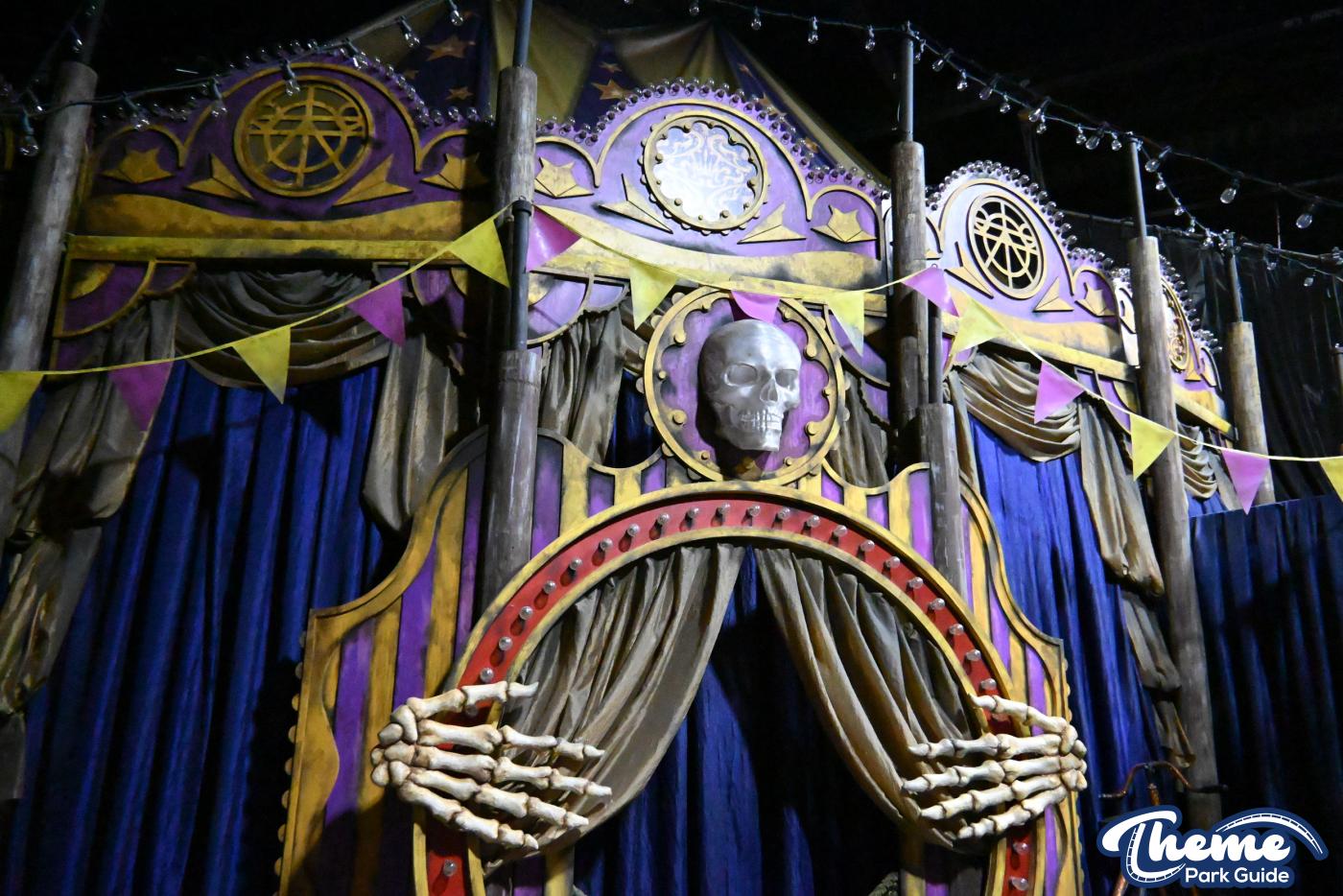
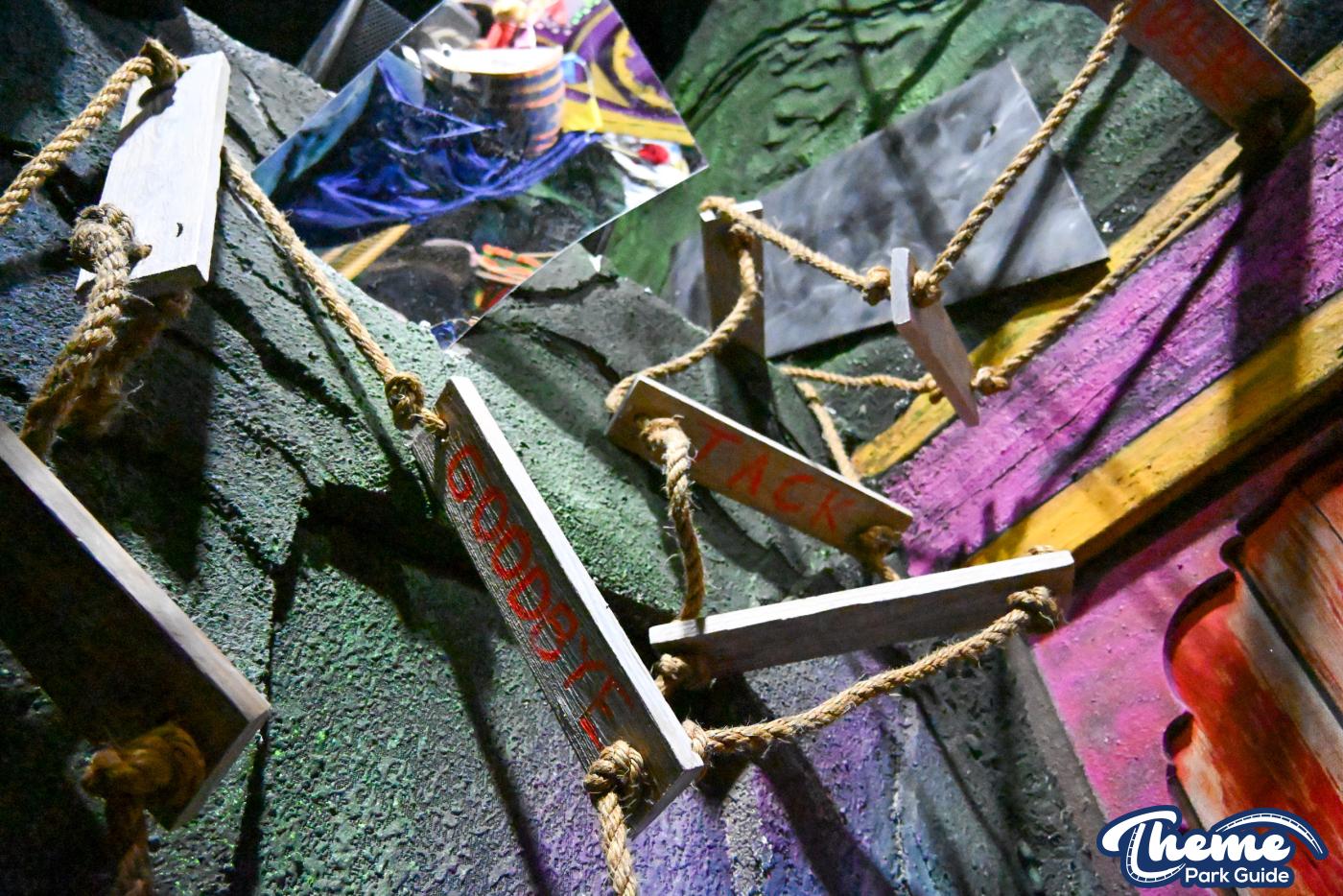
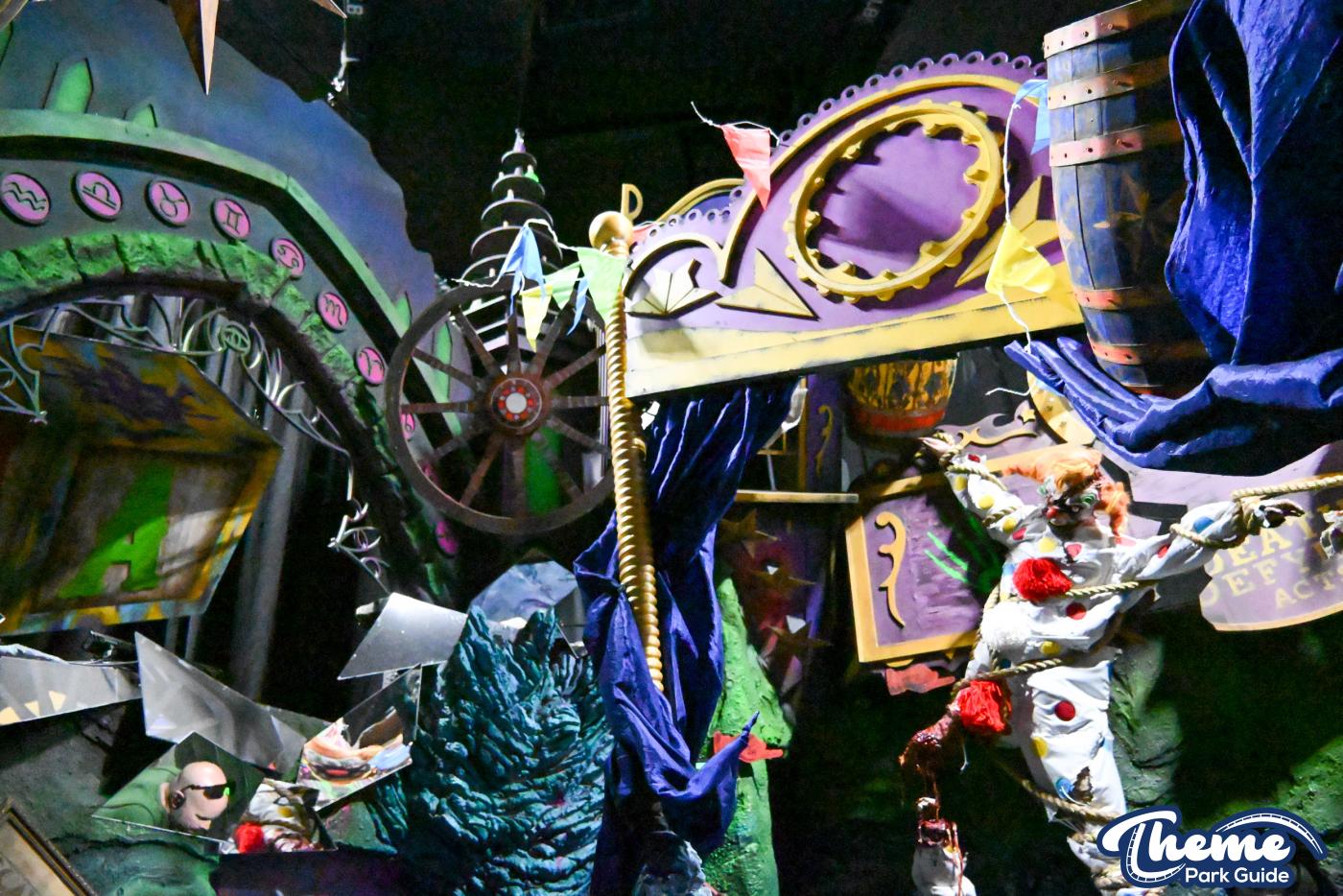
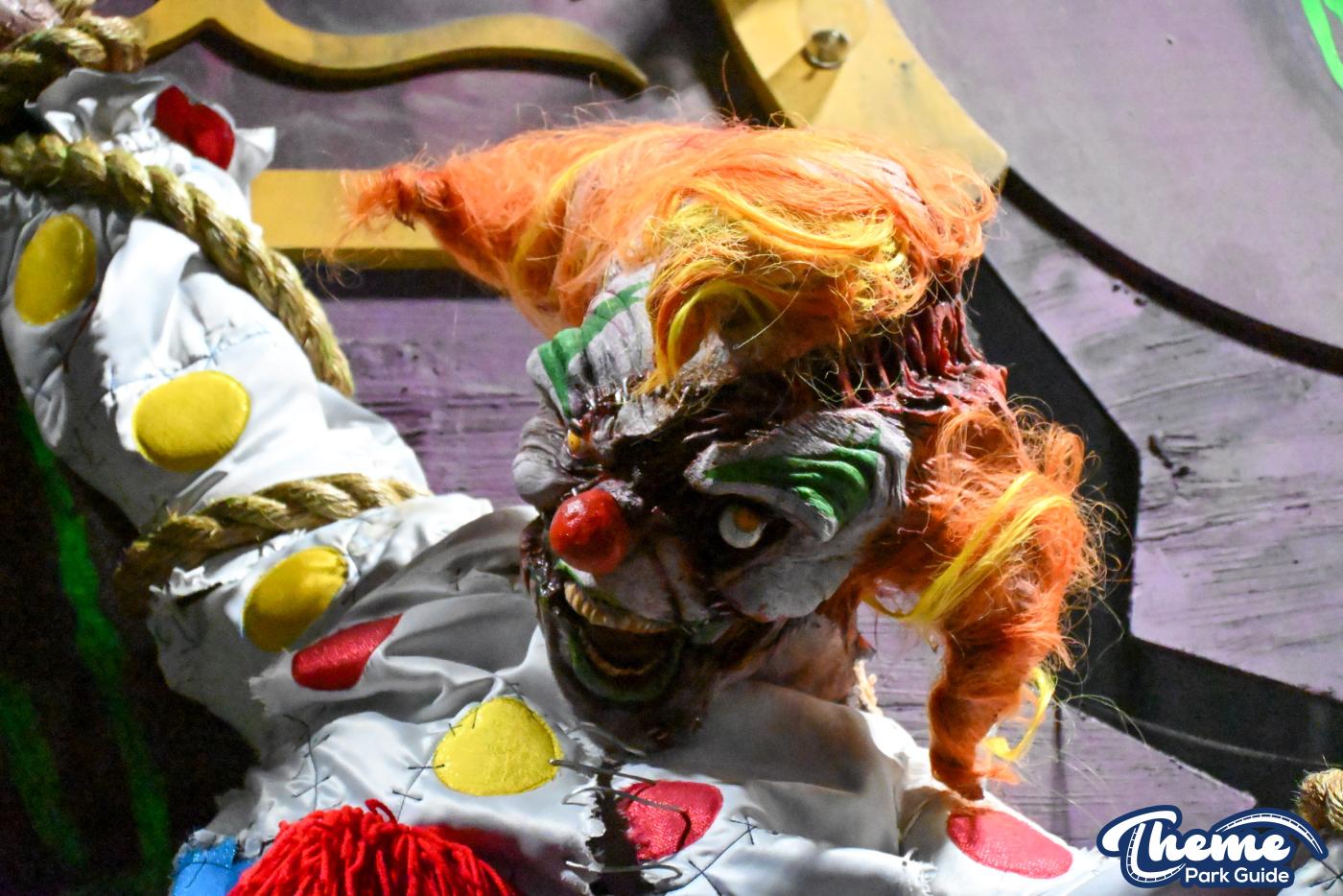
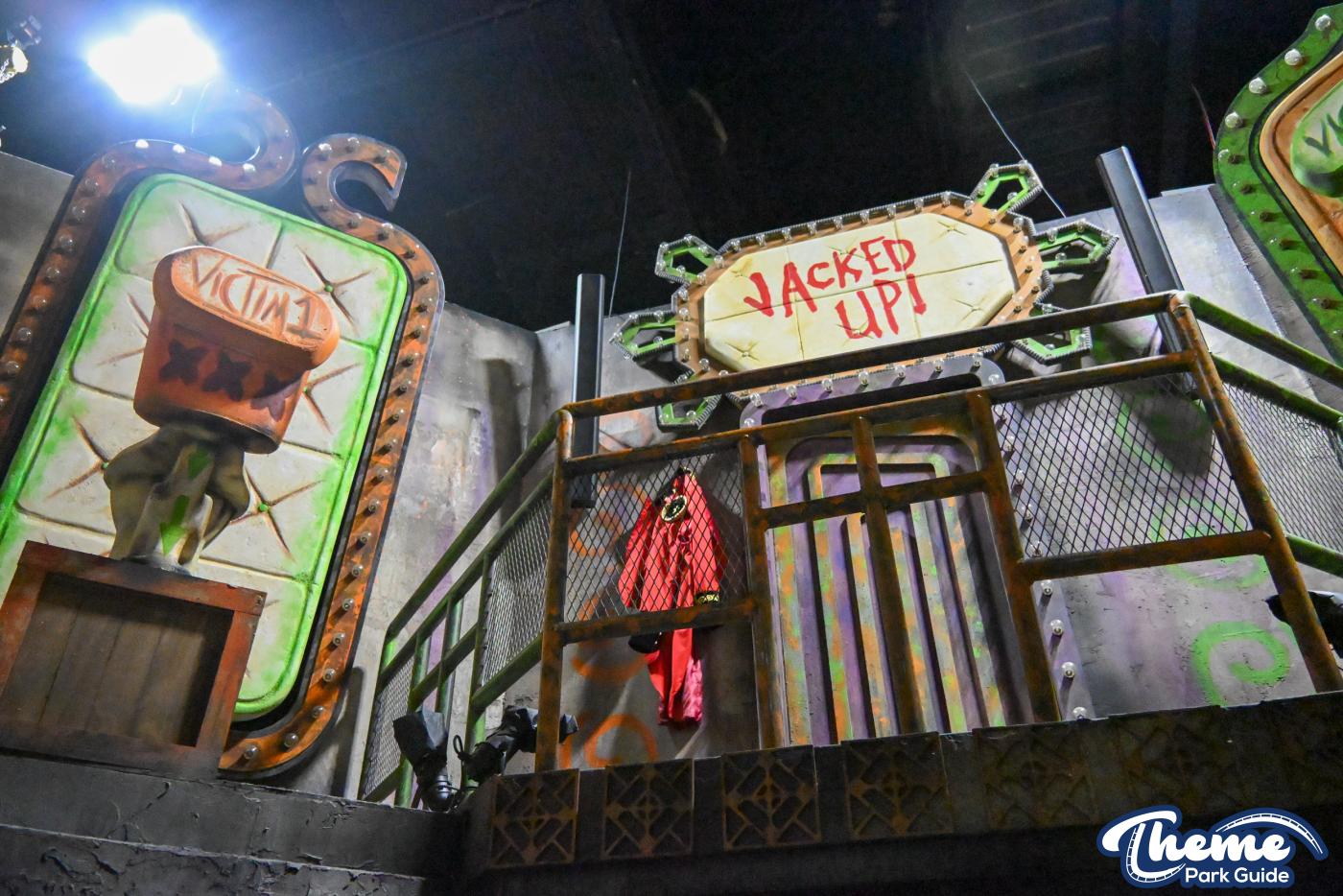
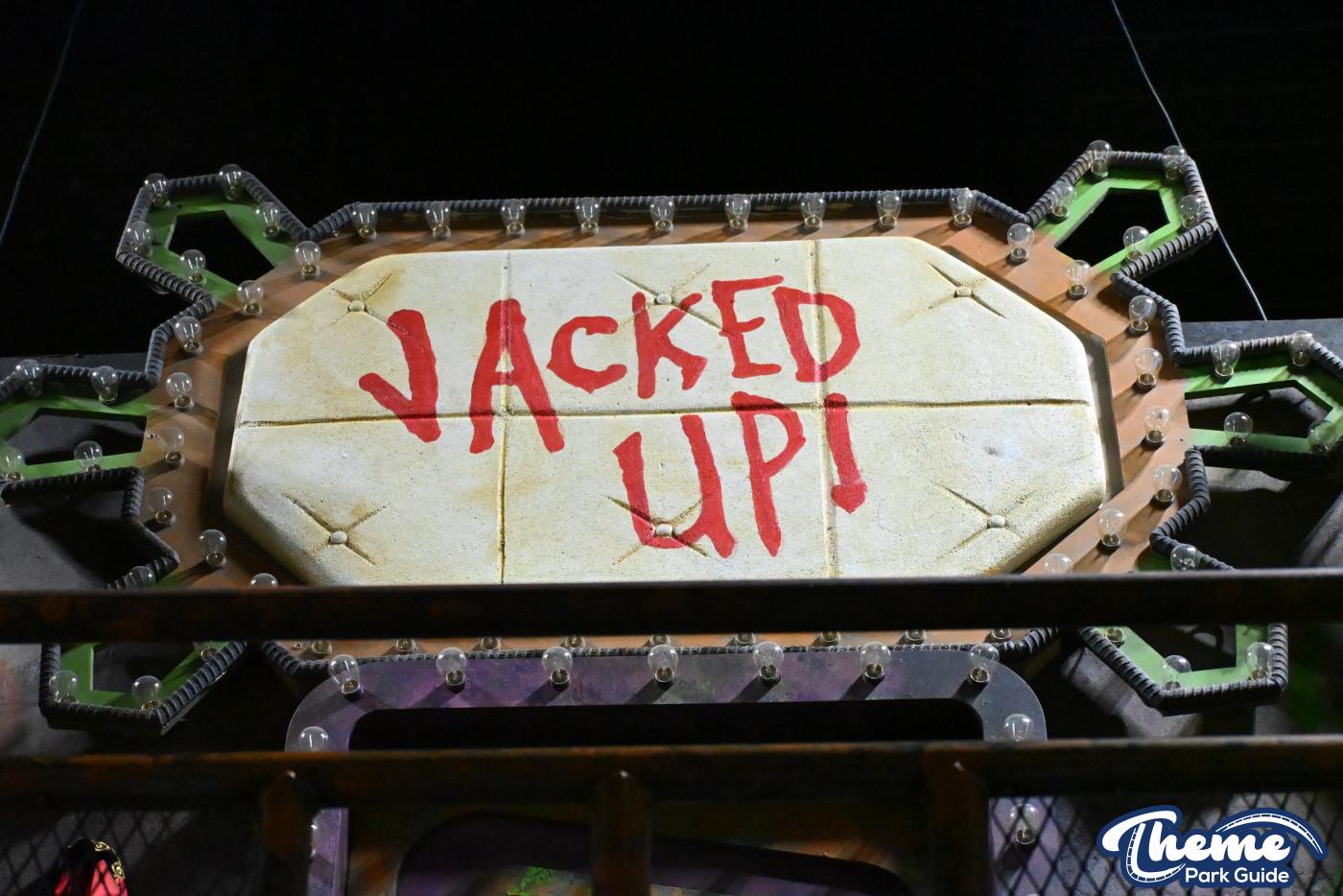
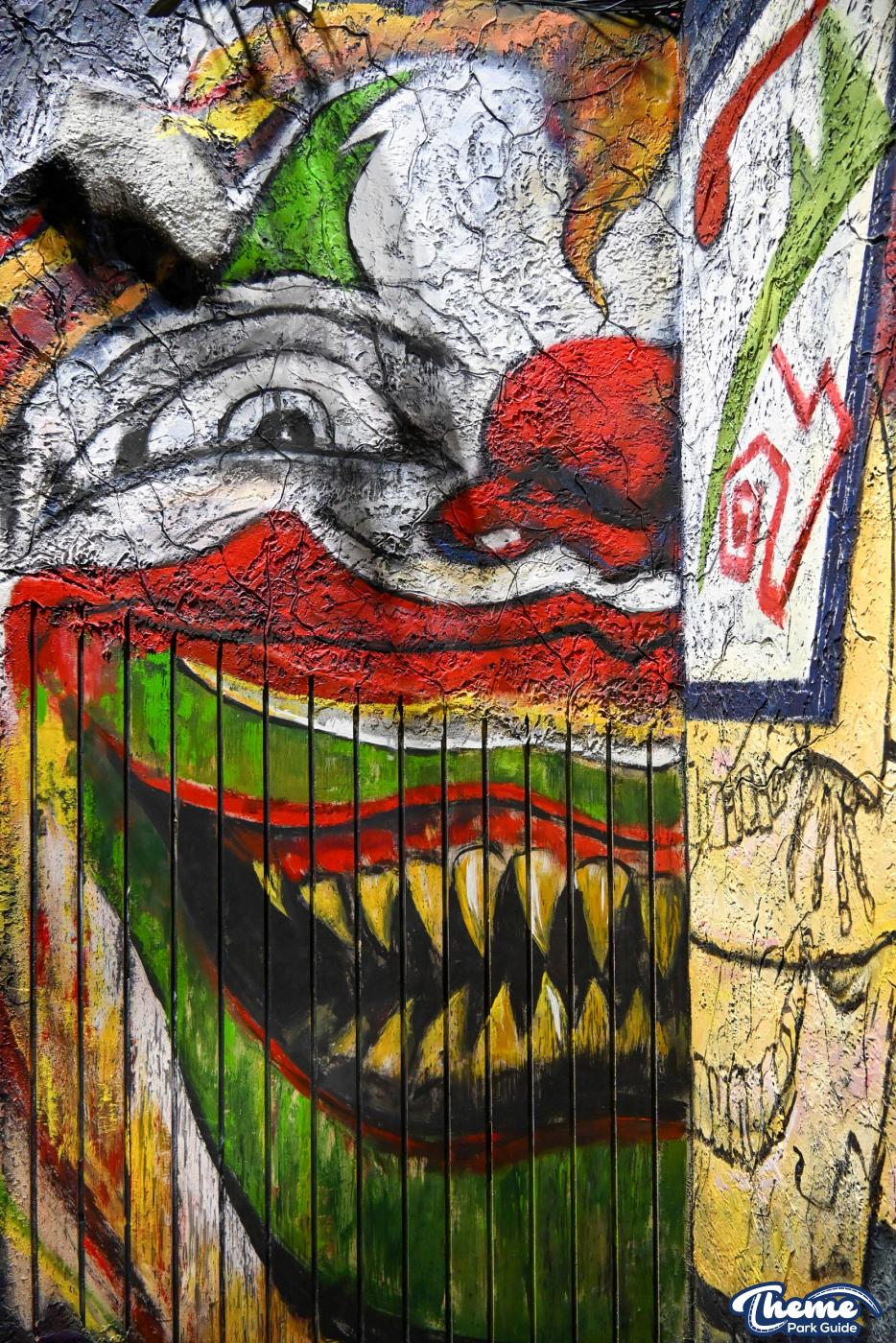
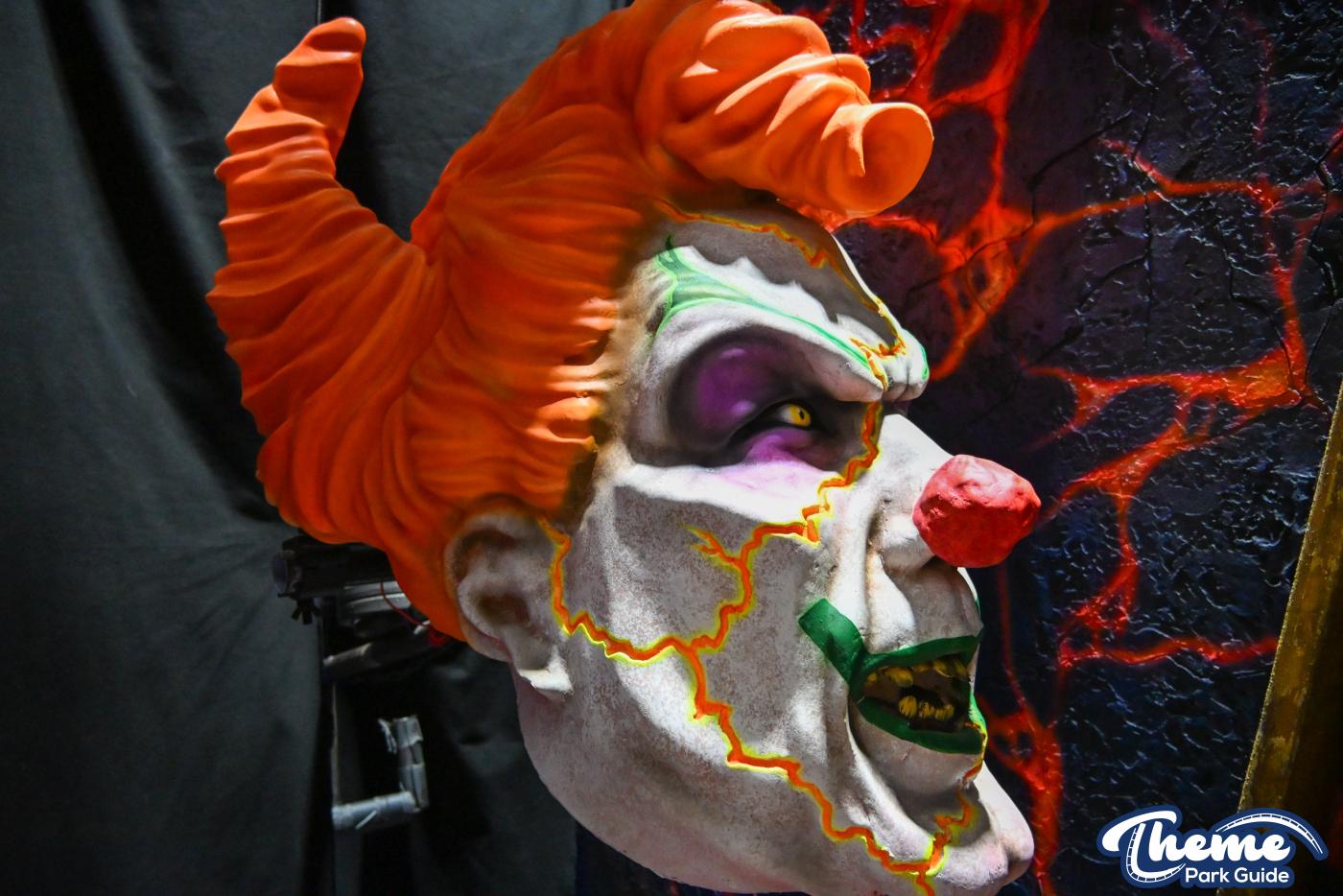
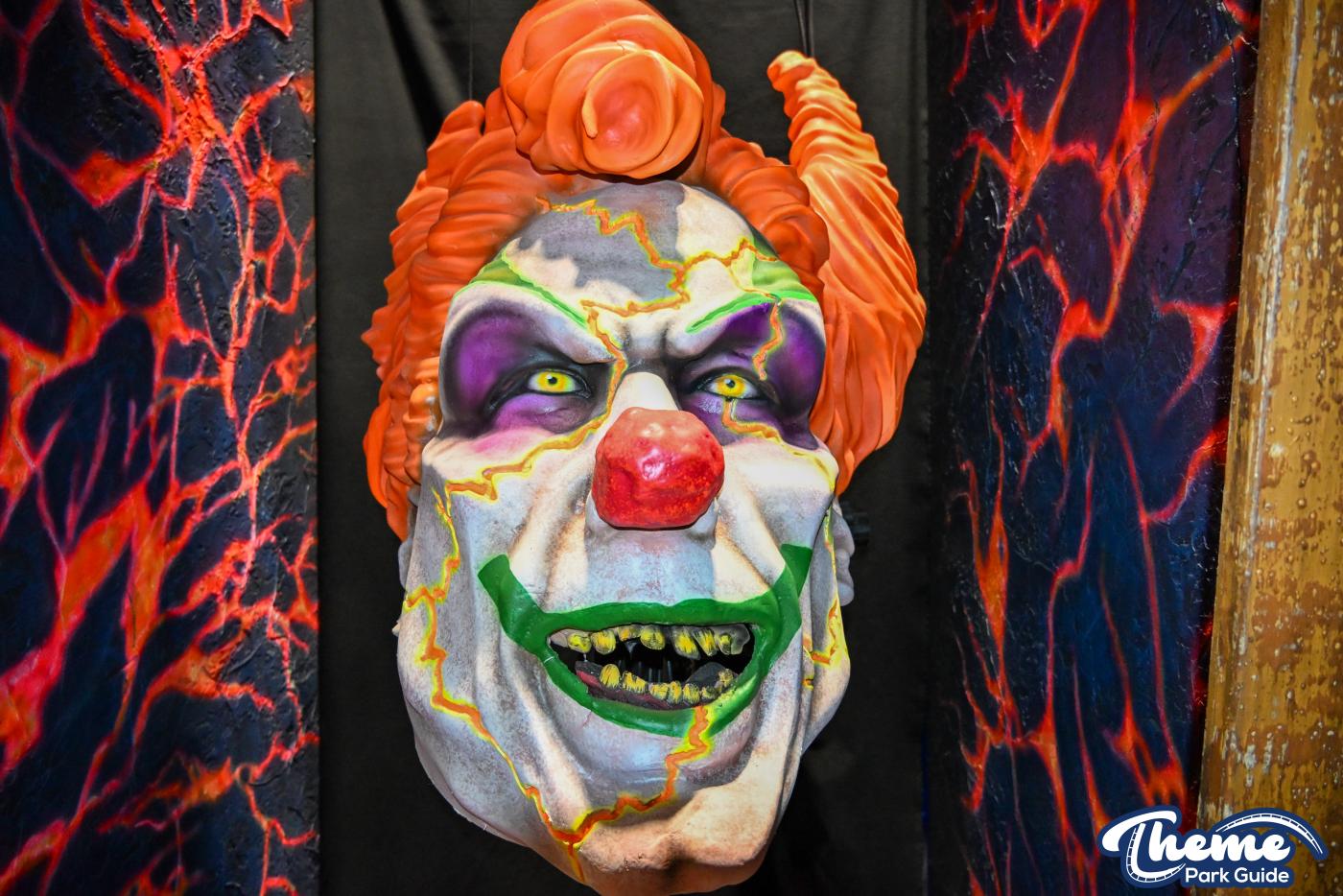
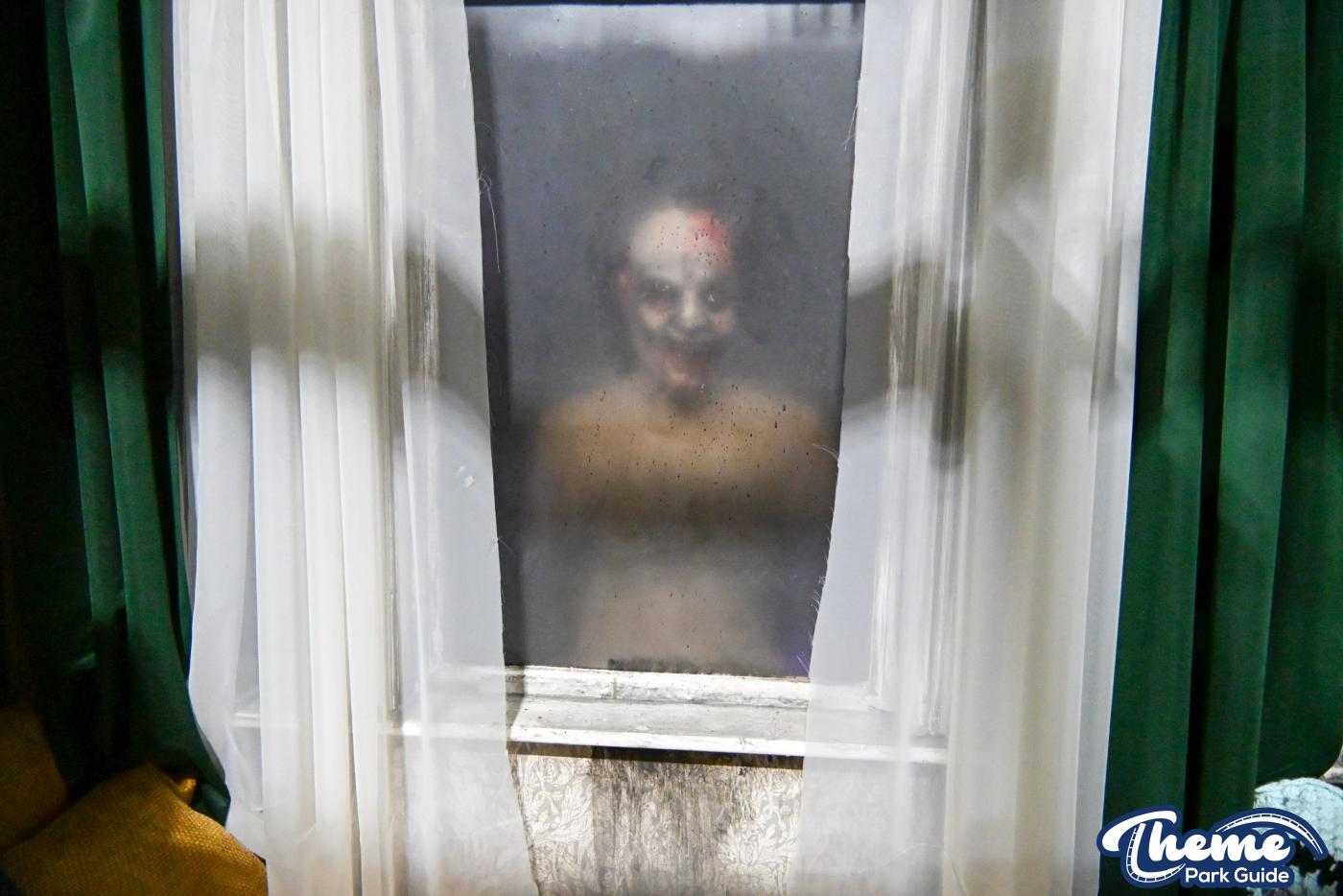
Our walkthrough of Jack & Oddfellow: Chaos & Control was a fantastic way to uncover the history of two of Halloween Horror Nights' most recognisable characters. Jack the Clown, also known as Jack Schmidt, became the event's first major icon, and this house explores his relationship with Dr. Oddfellow. Throughout the attraction, Oddfellow narrates the story of how the pair crossed paths, with the house gradually revealing more about their complicated history.
One of the most impressive effects involves Jack's enormous jack-in-the-box, which becomes increasingly larger as guests progress through the house. During our tour, we discovered that the performer inside is actually attached to a bungee system, allowing them to bounce and create a much more dramatic scare. It's one of those effects that looks completely different when you understand the mechanics behind it. Another clever detail is the moment when the familiar nursery rhyme Pop Goes the Weasel plays, marking a change in the storyline.
The house also features an incredible spinning tunnel illusion, although it's not actually a rotating tunnel like those found in traditional funhouses. Instead, the effect is created using approximately 1,000 LED panels, producing the sensation that the environment is spinning around you. Elsewhere, there's a particularly unpleasant section where guests feel as though something is brushing against their faces. We discovered that this is achieved using hanging wires with glue attached to them, creating a surprisingly effective sensation without anything particularly complicated.
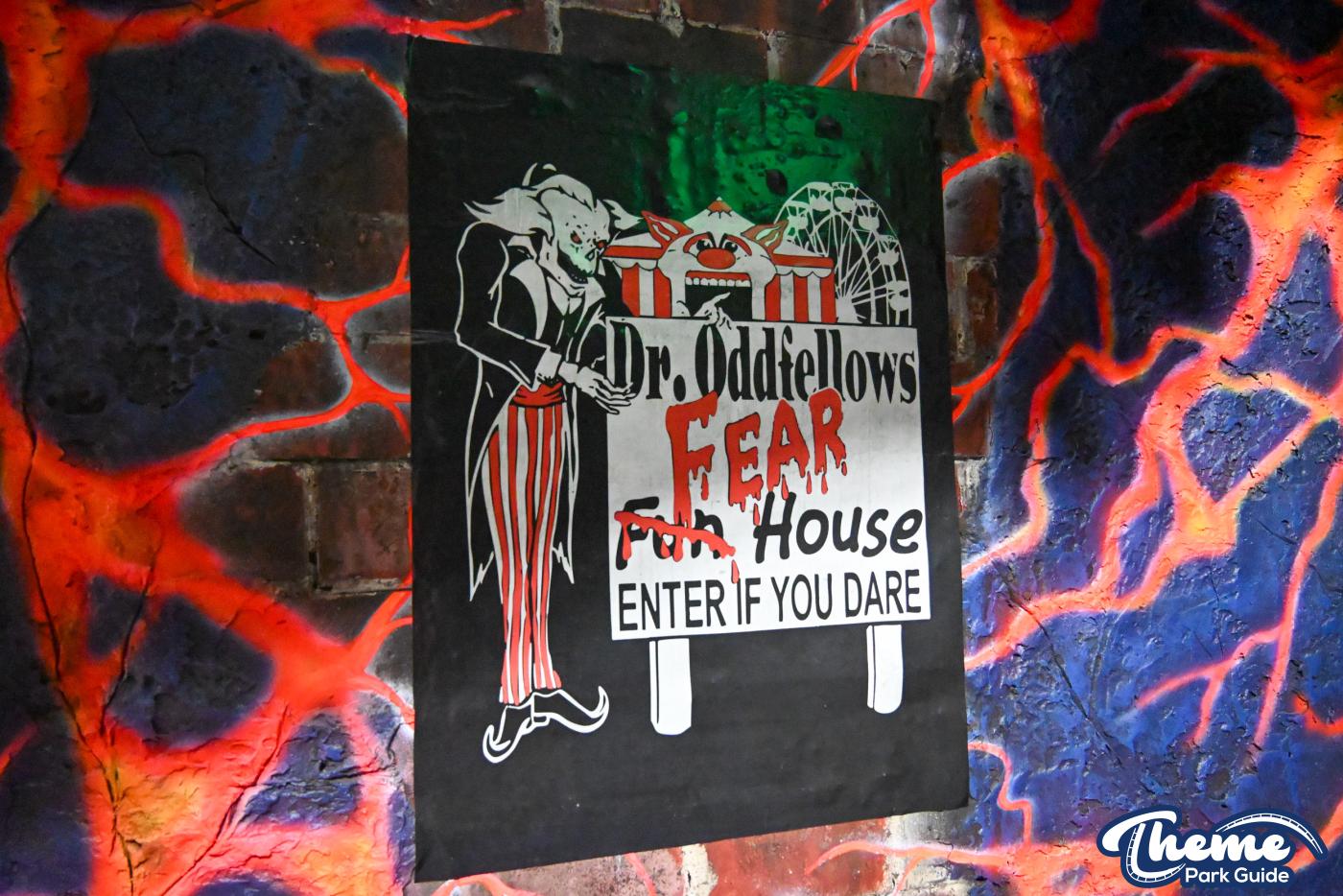
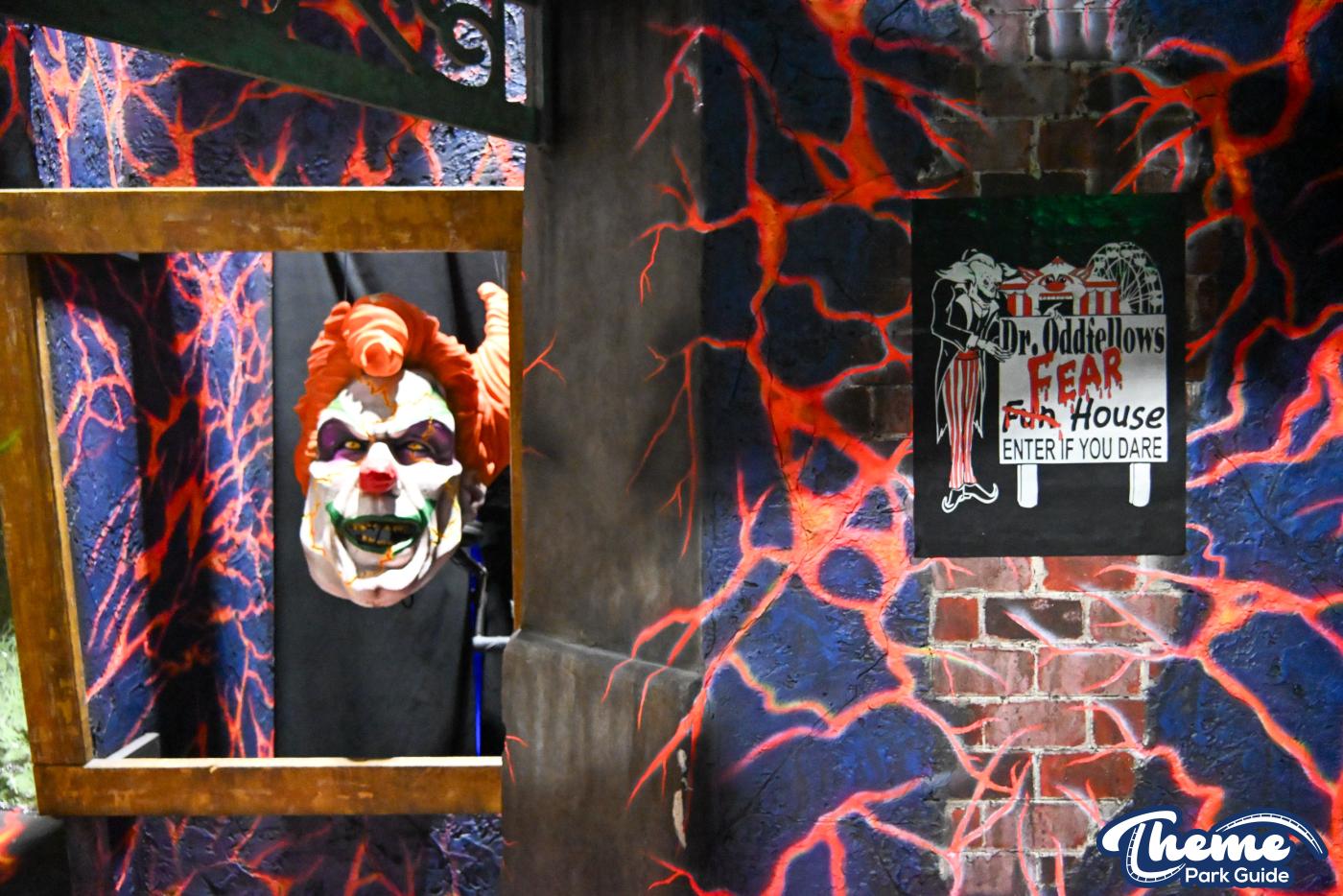
There were also some brilliant Easter eggs hidden throughout the attraction. A clipboard features the names of members of the house's decorating team alongside references to classic Halloween Horror Nights characters, including Chance, Eddie and Jack. We also spotted a sign advertising Dr. Oddfellow's Fear House, featuring an earlier version of the character's appearance before his design evolved. These are exactly the sorts of details that are almost impossible to appreciate when you're rushing through the attraction in the dark, and seeing them up close gave us a much greater appreciation for the amount of storytelling packed into this house.
Stranger Things 5: The Final Chapter
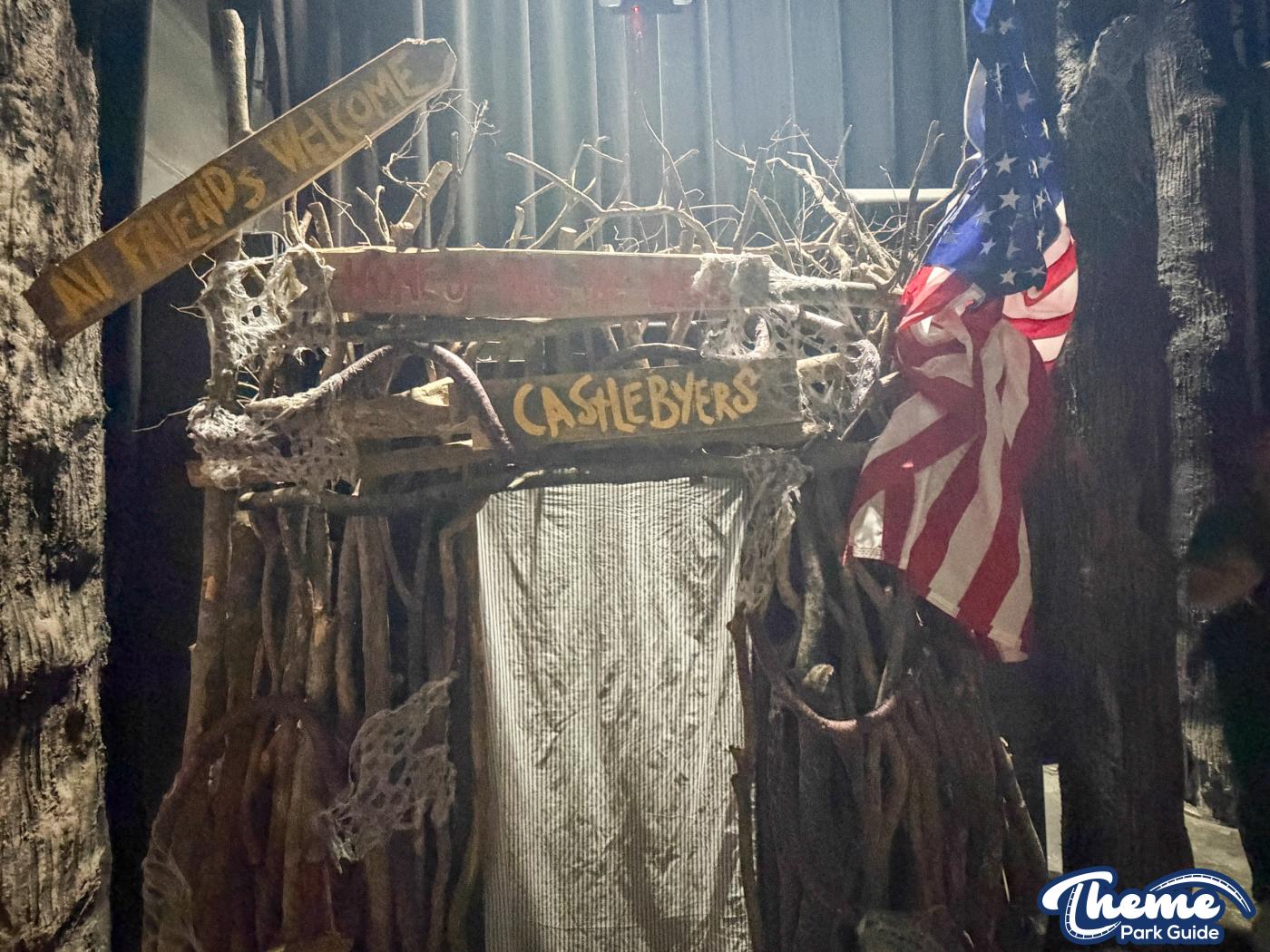
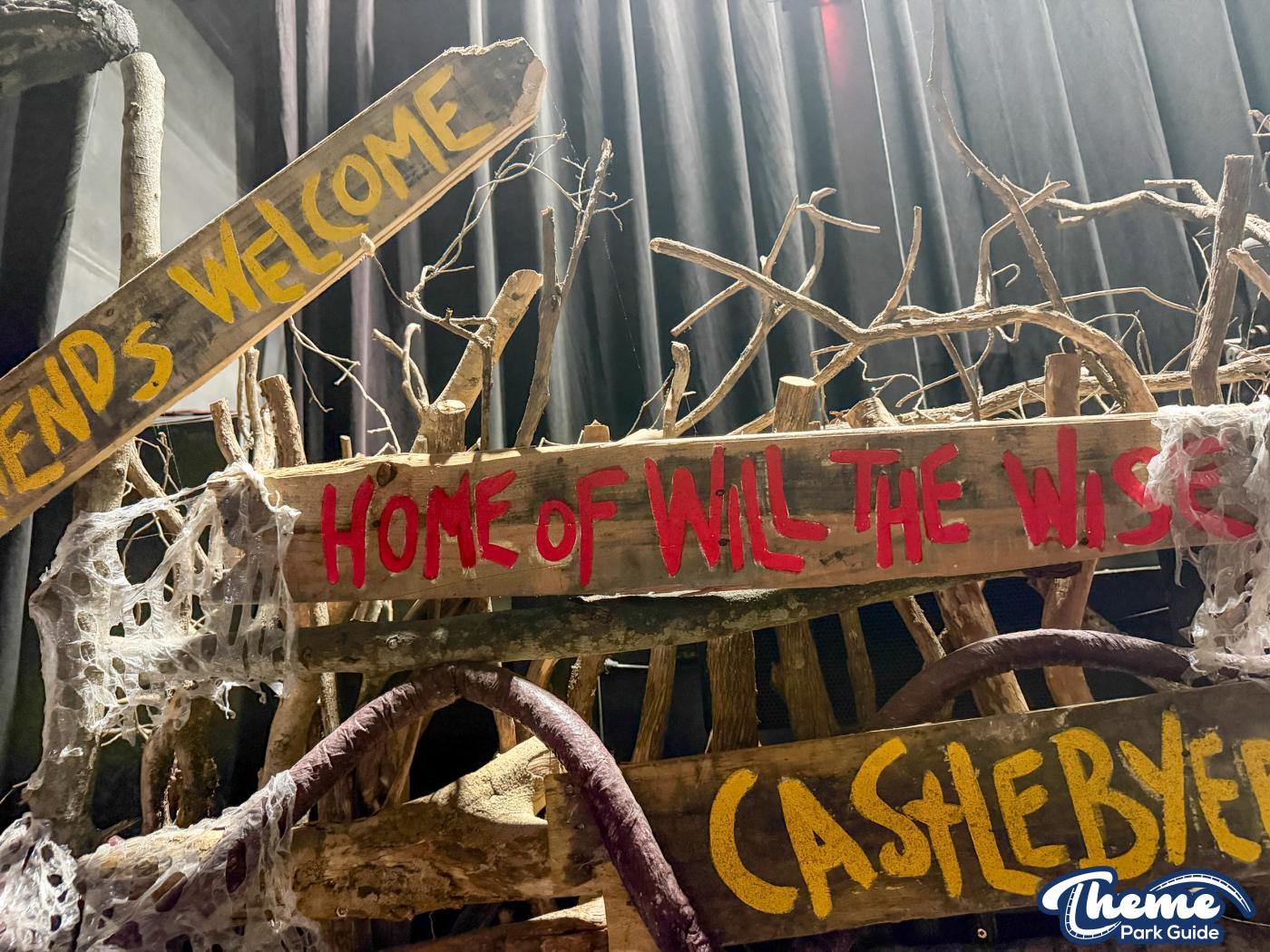
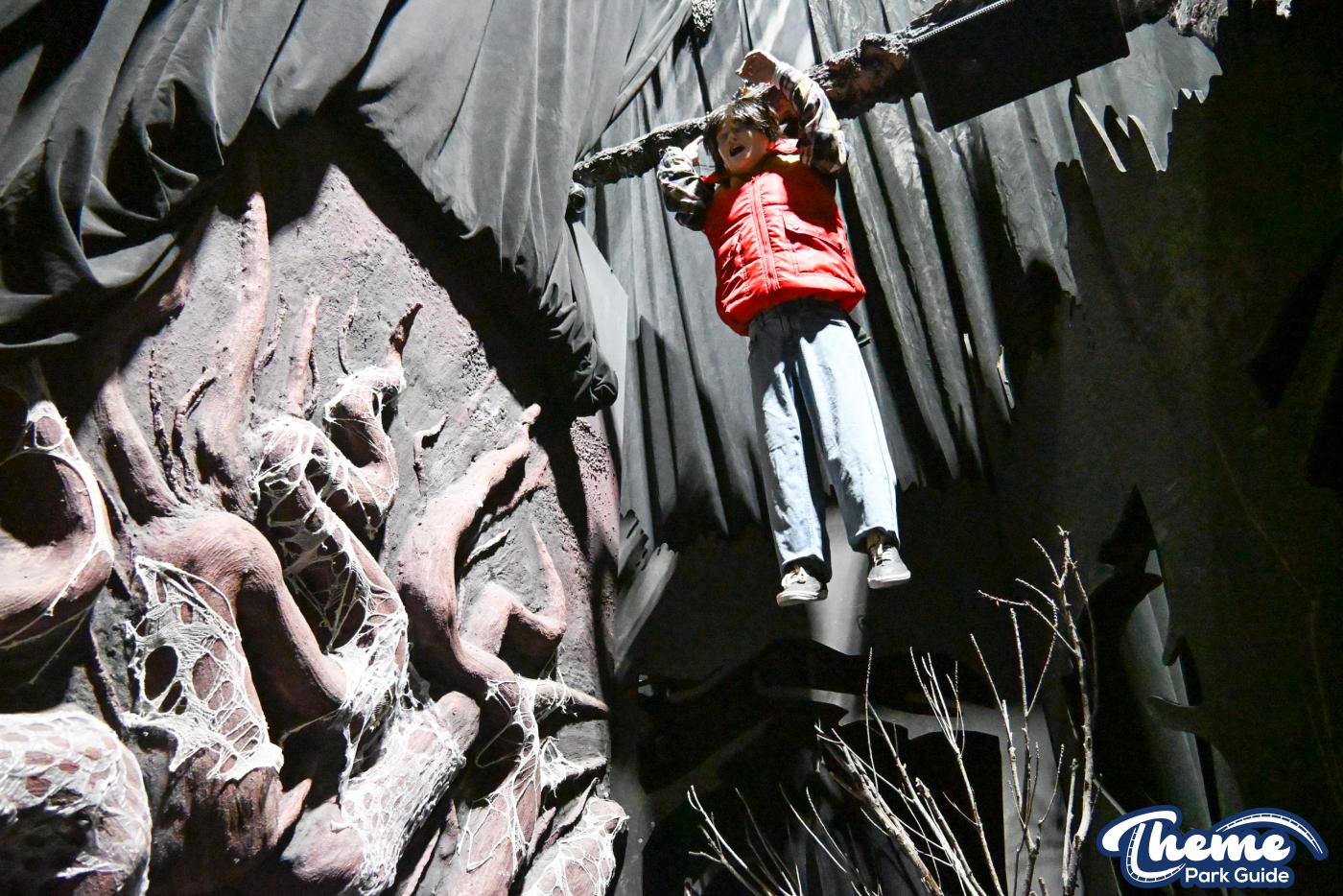
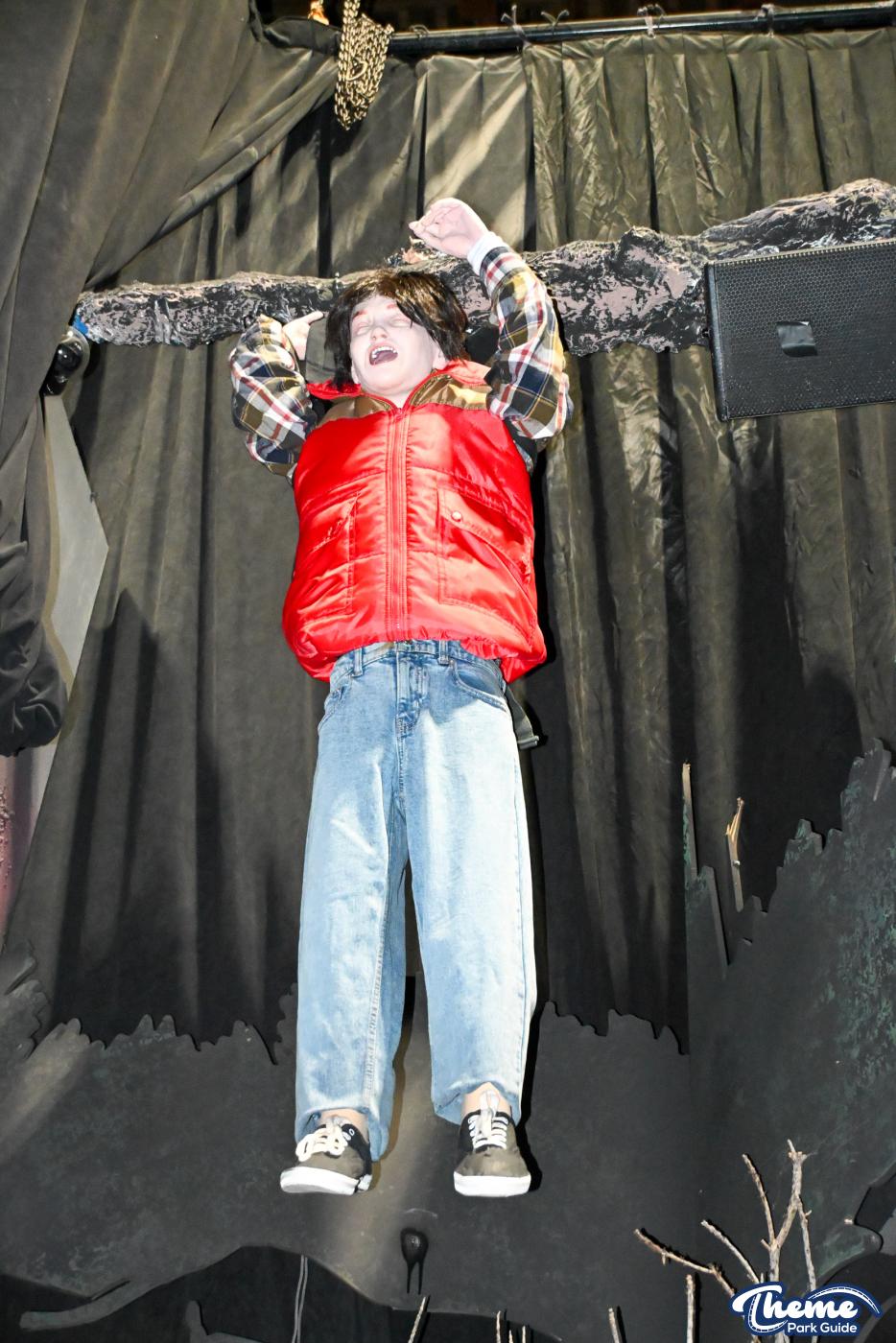
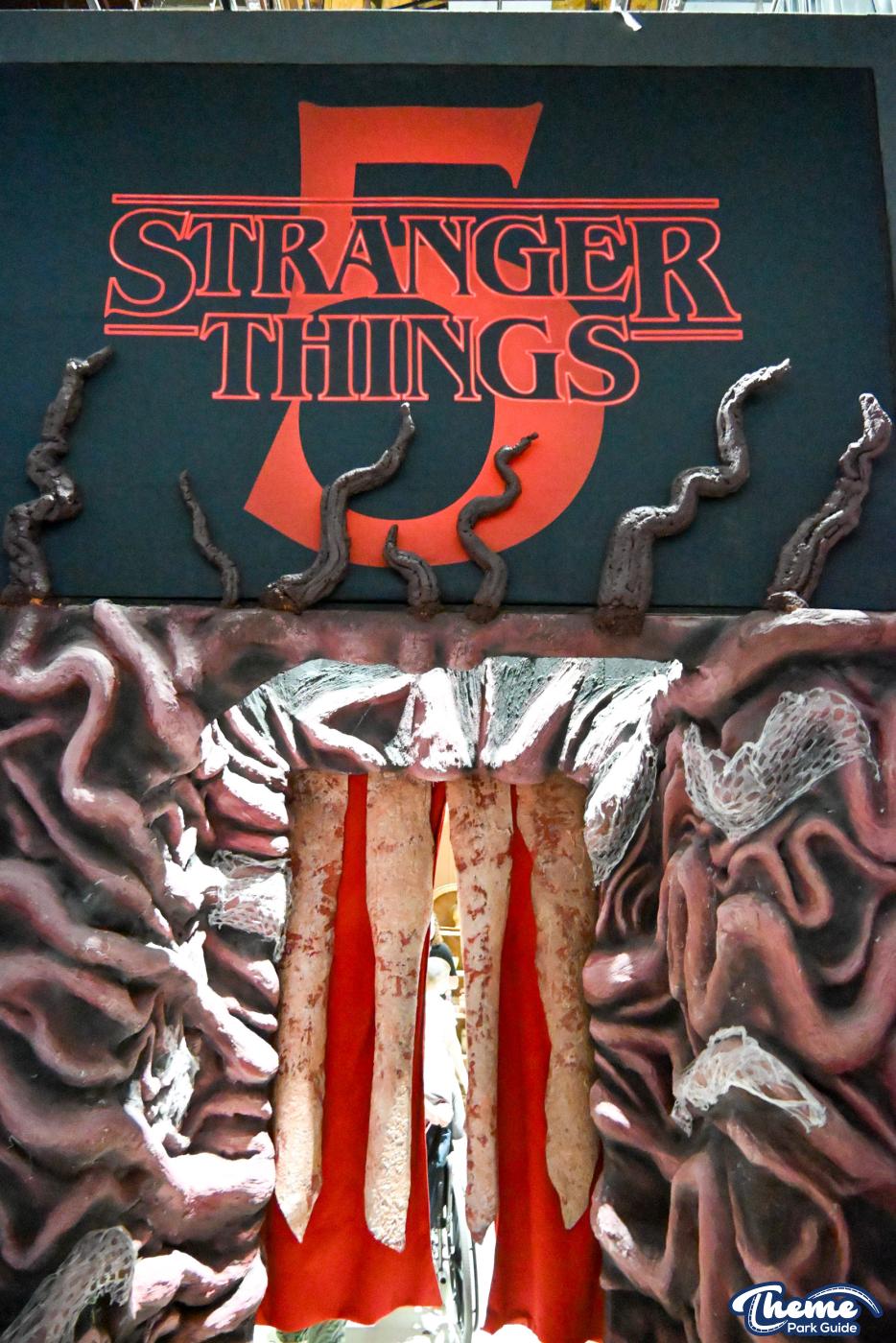
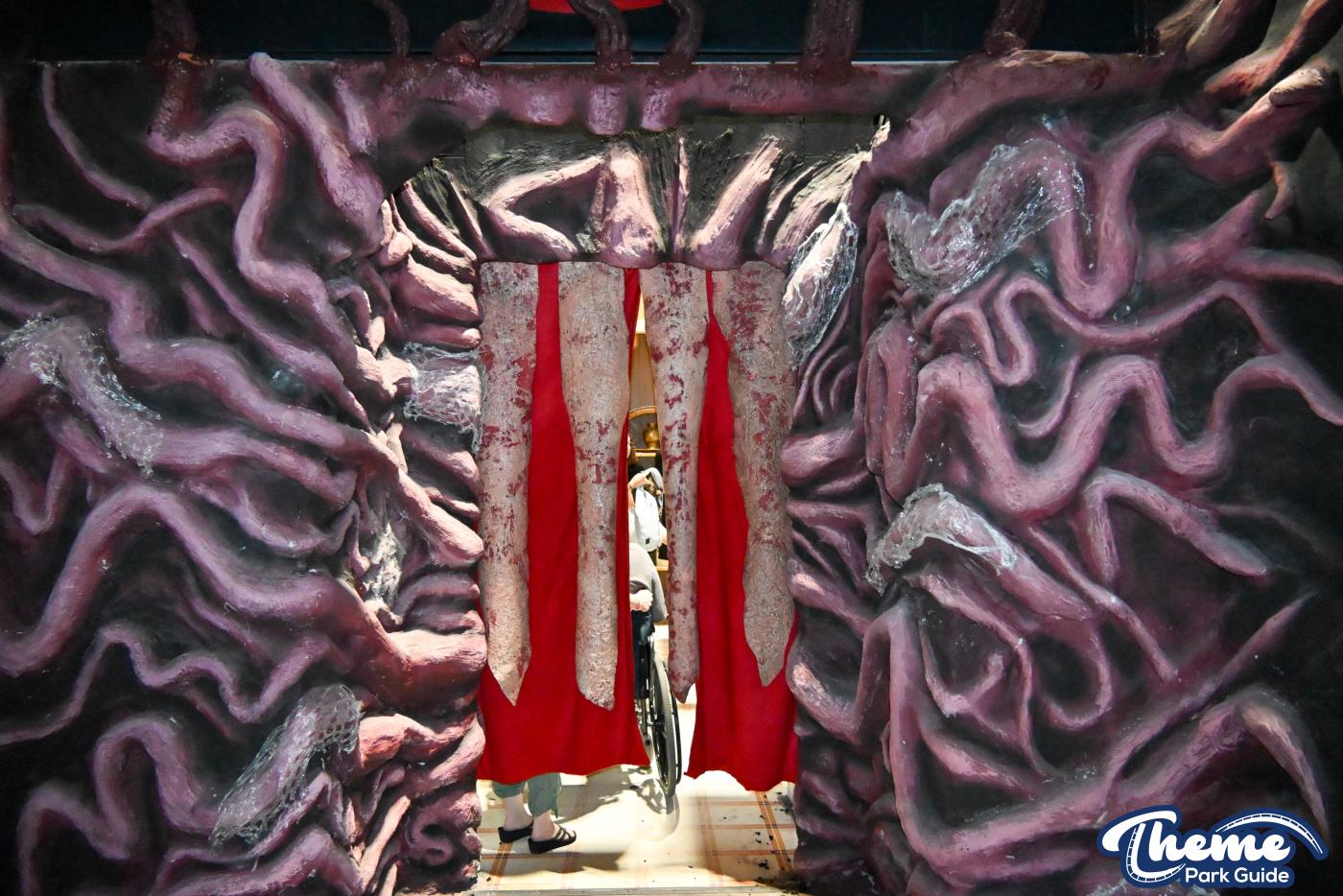
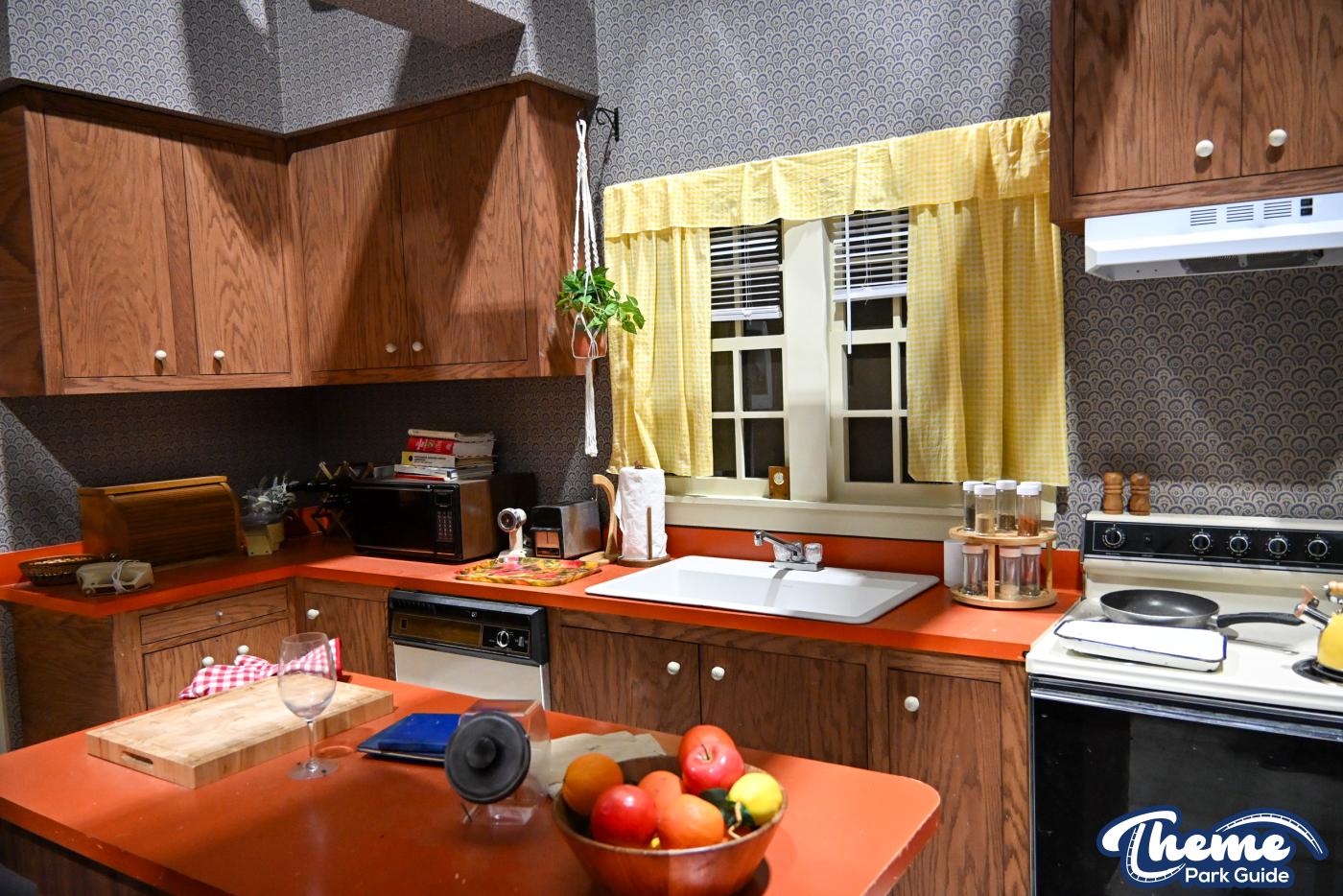
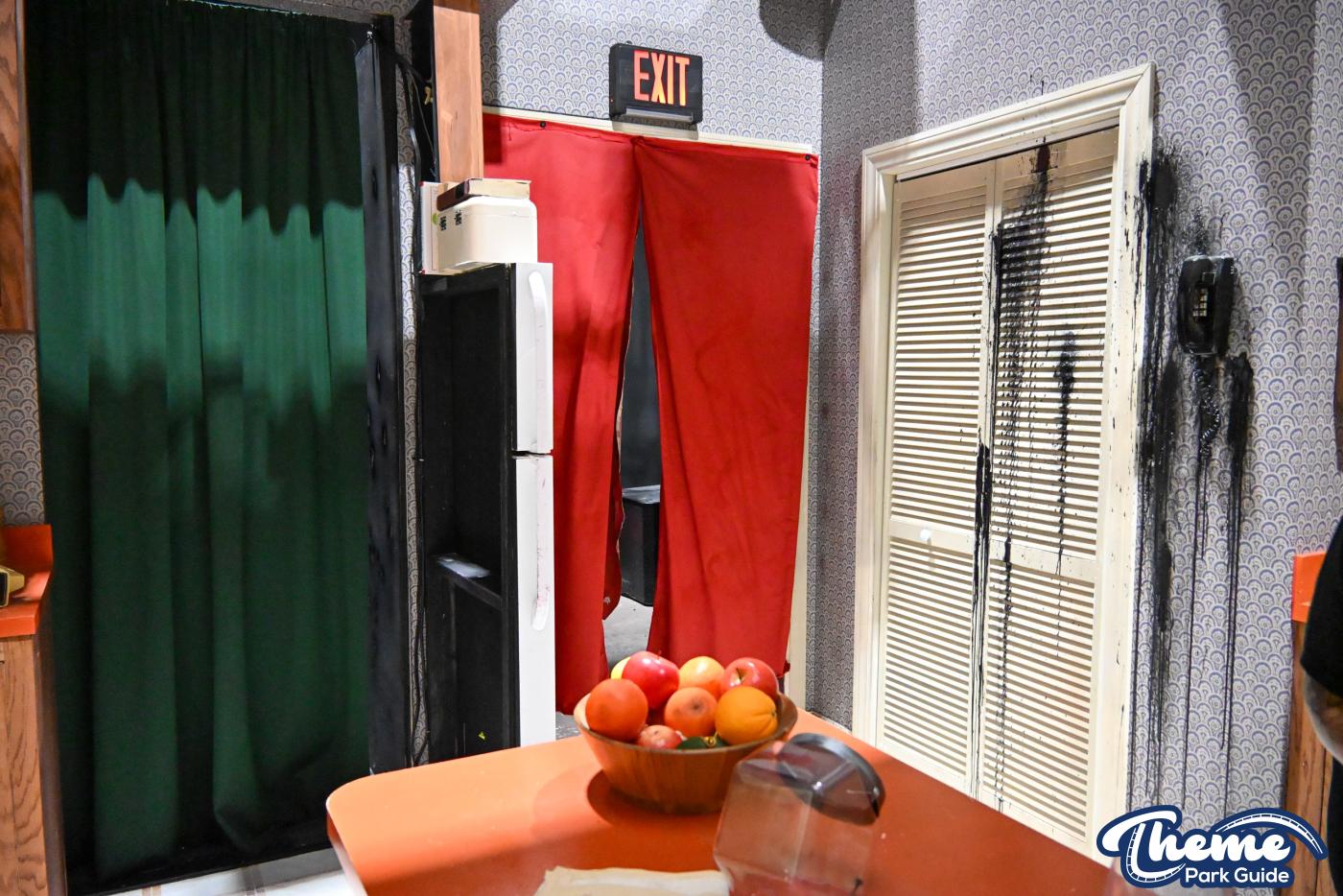
Stranger Things has become a hugely popular part of Halloween Horror Nights over the years, and this house brings the story of the Netflix series to its final chapter. Our guide explained that this was one of the last houses constructed for the event, and getting to explore it with the lights on revealed some fascinating details about how the production recreates the world of Hawkins.
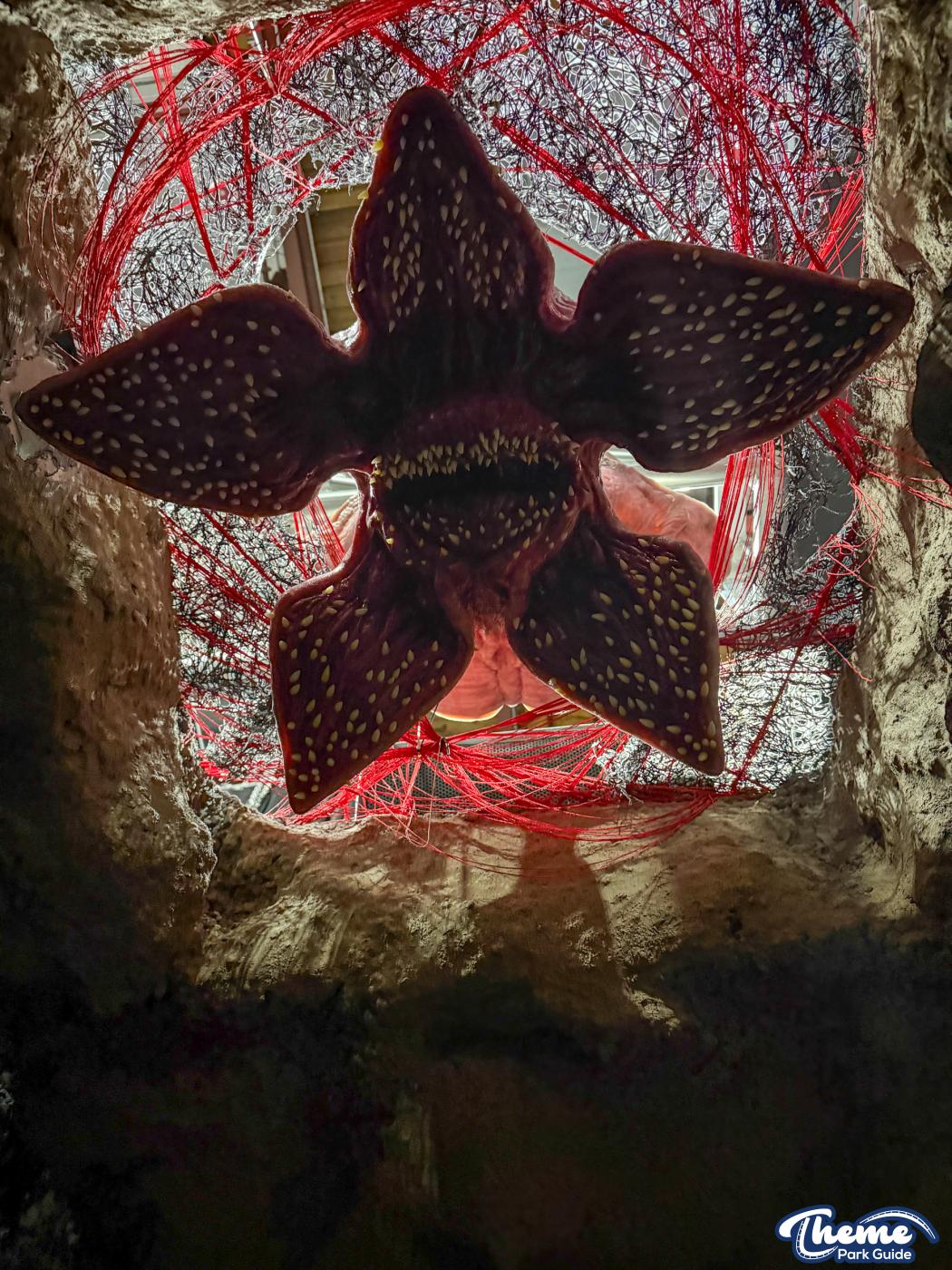
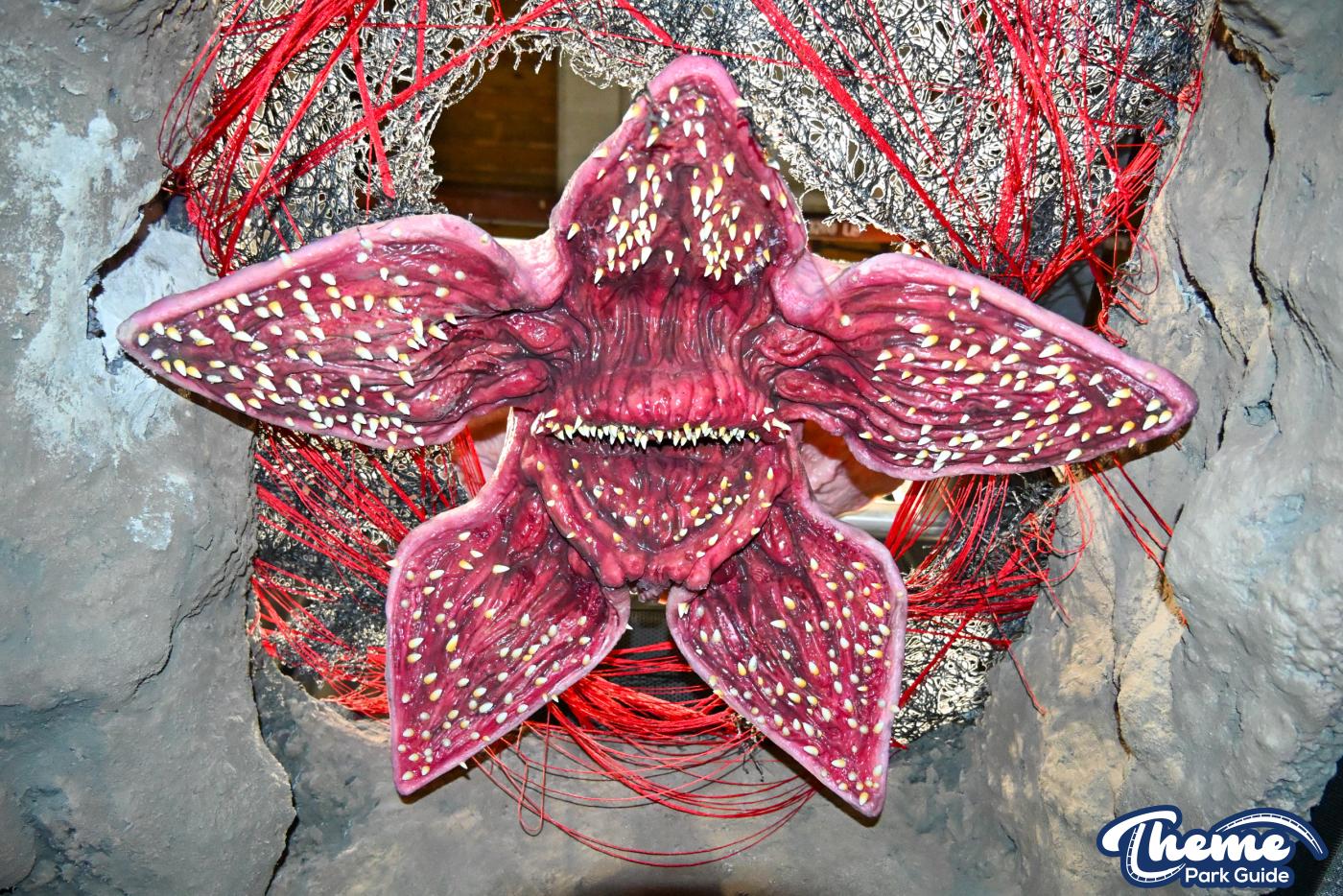
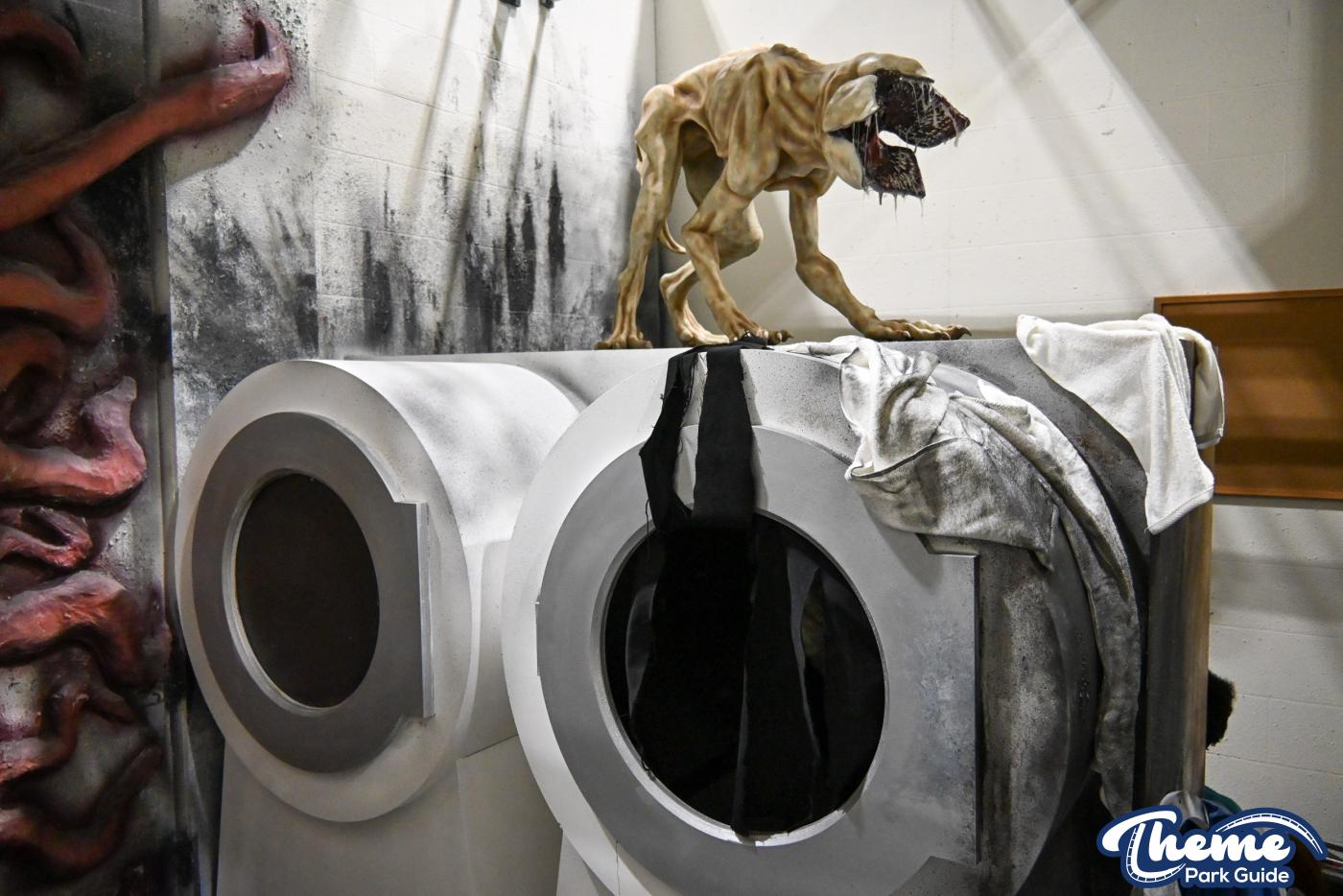
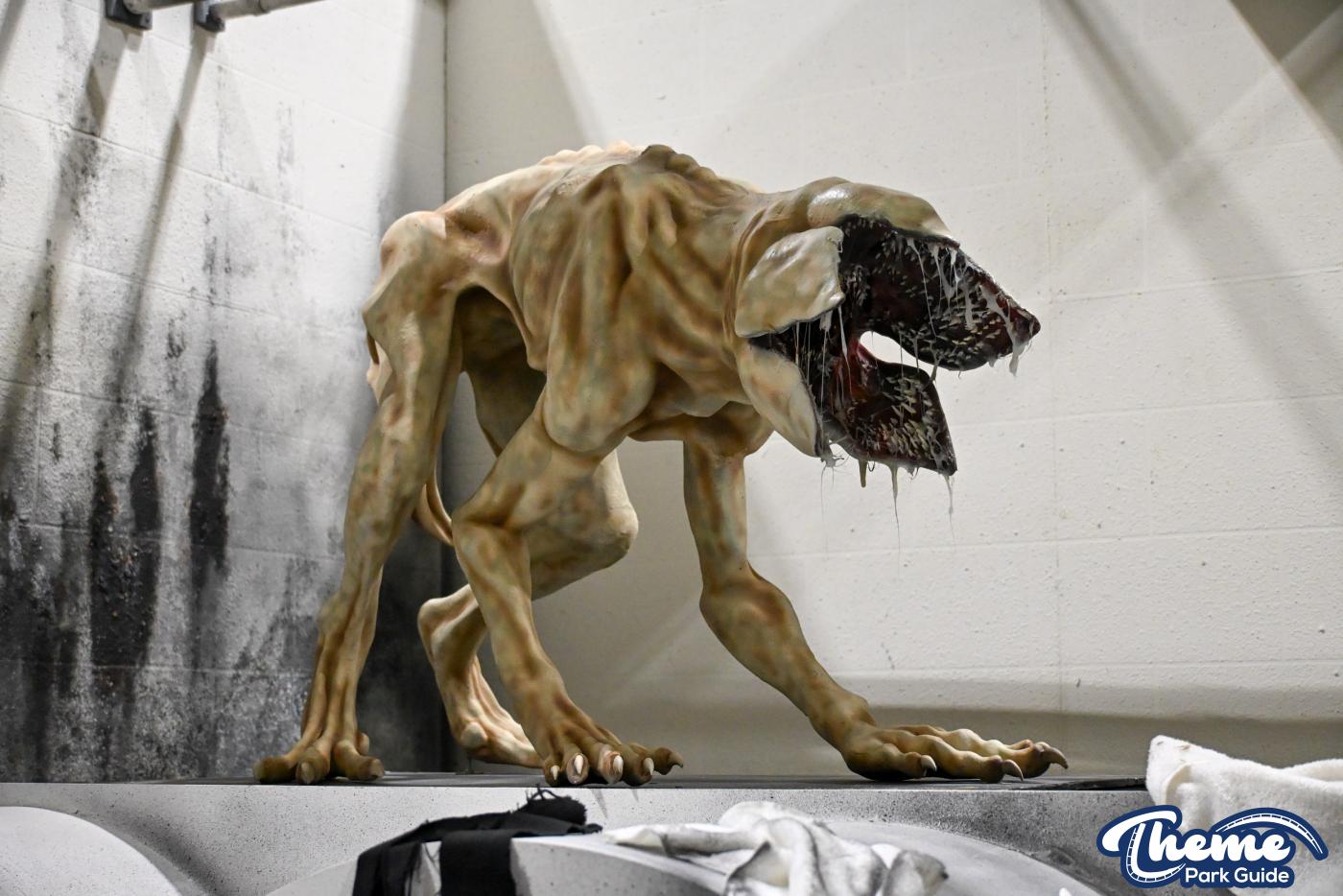
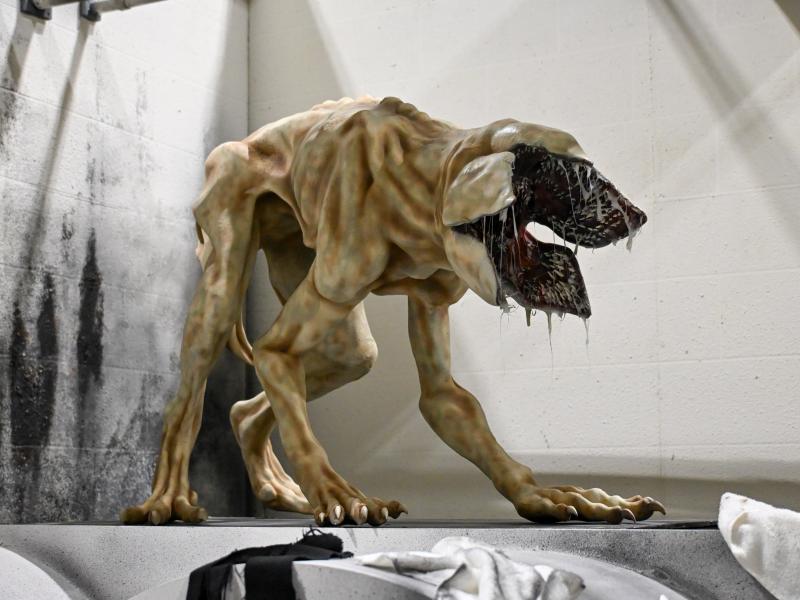
One of the biggest highlights was seeing the Demogorgon effects up close. The house features two animatronic Demogorgons, including one positioned above guests in the Abyss and another appearing from a dryer during the Hawkins Memorial Hospital scene. We were able to see how the mechanical head operates, along with the safety features built into the effect. There is even an emergency-stop button that can be activated if somebody touches the mechanism, demonstrating how seriously Universal takes safety around moving props and animatronics.
Another particularly interesting discovery was the use of 3D printing in the Mind Flayer scene. Our guide explained that the walls were created using 3D-printed components, producing detailed scenery that is also extremely strong and structurally reliable. It's a fascinating example of how modern manufacturing techniques are being used to bring increasingly ambitious haunted house designs to life.
We also learnt that Universal sometimes takes small creative liberties when recreating familiar locations from television and film. For example, a military building in the house features the number 35 rather than the number used in the series, providing a subtle reference to this year's Halloween Horror Nights anniversary. It's a detail that most guests would probably never notice, but one that makes the attraction feel even more special when you know where to look.
With this house celebrating the final chapter of Stranger Things, it felt particularly special to explore the sets in such detail. Seeing the creatures, scenery and hidden references without the darkness and scare actors allowed us to appreciate just how much work goes into translating a television series into a physical haunted house.
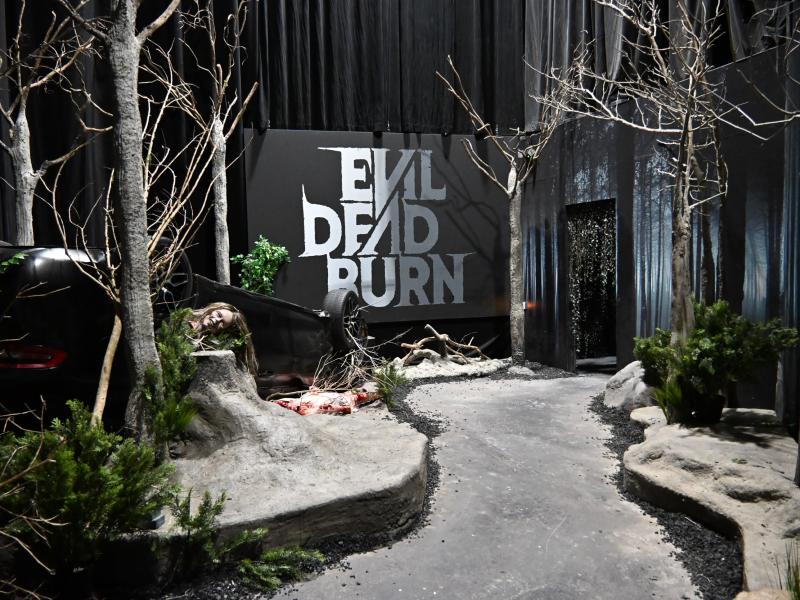
Evil Dead Burn
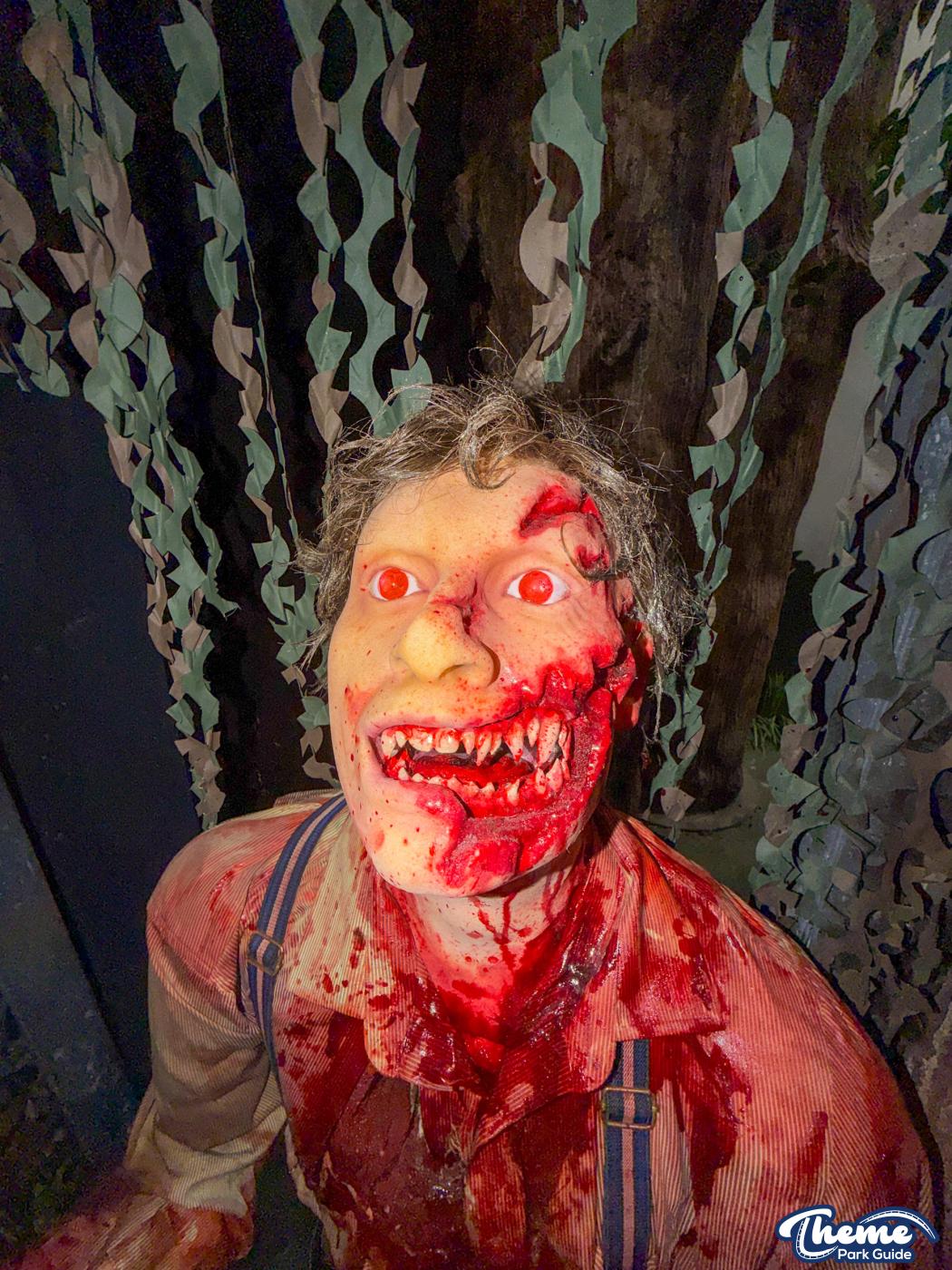
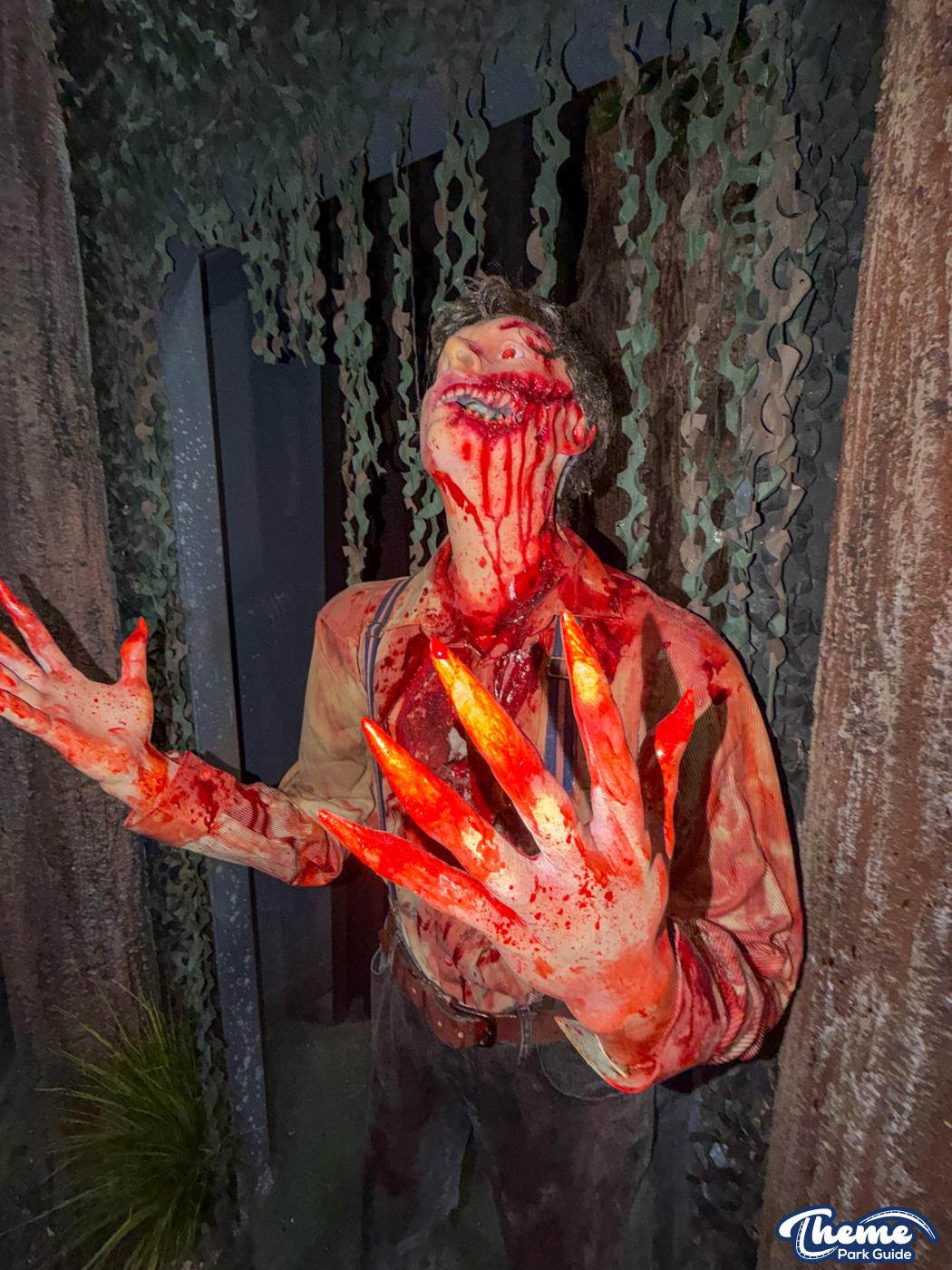
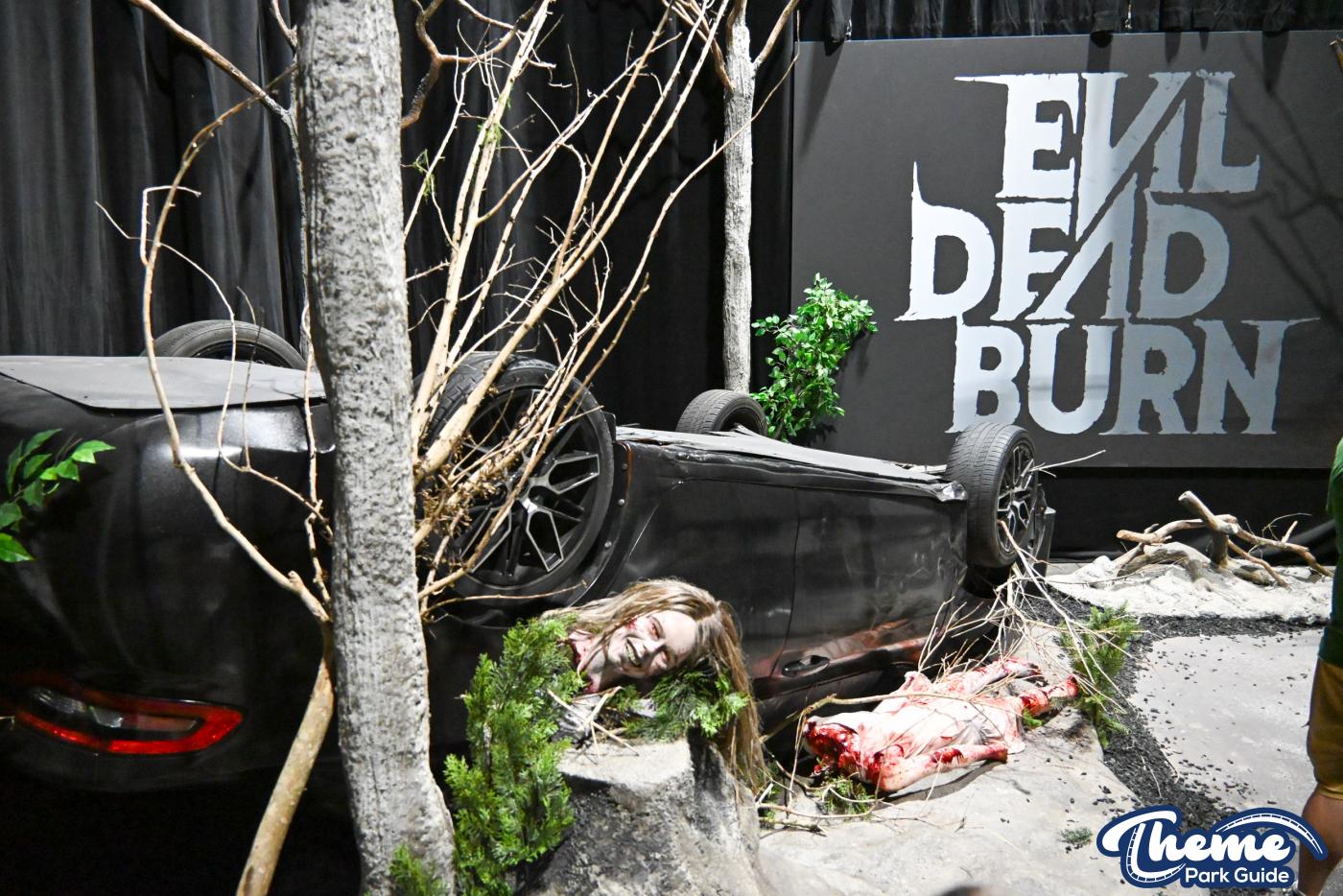
Evil Dead Burn was another fascinating house to explore with the lights on, particularly because of the amount of detail hidden throughout its gruesome scenes. Inspired by the Evil Dead franchise, the attraction takes guests through terrifying environments filled with supernatural horrors. During our tour, we discovered how Universal recreates some of the films' most memorable moments using practical effects, clever lighting and detailed scenery.
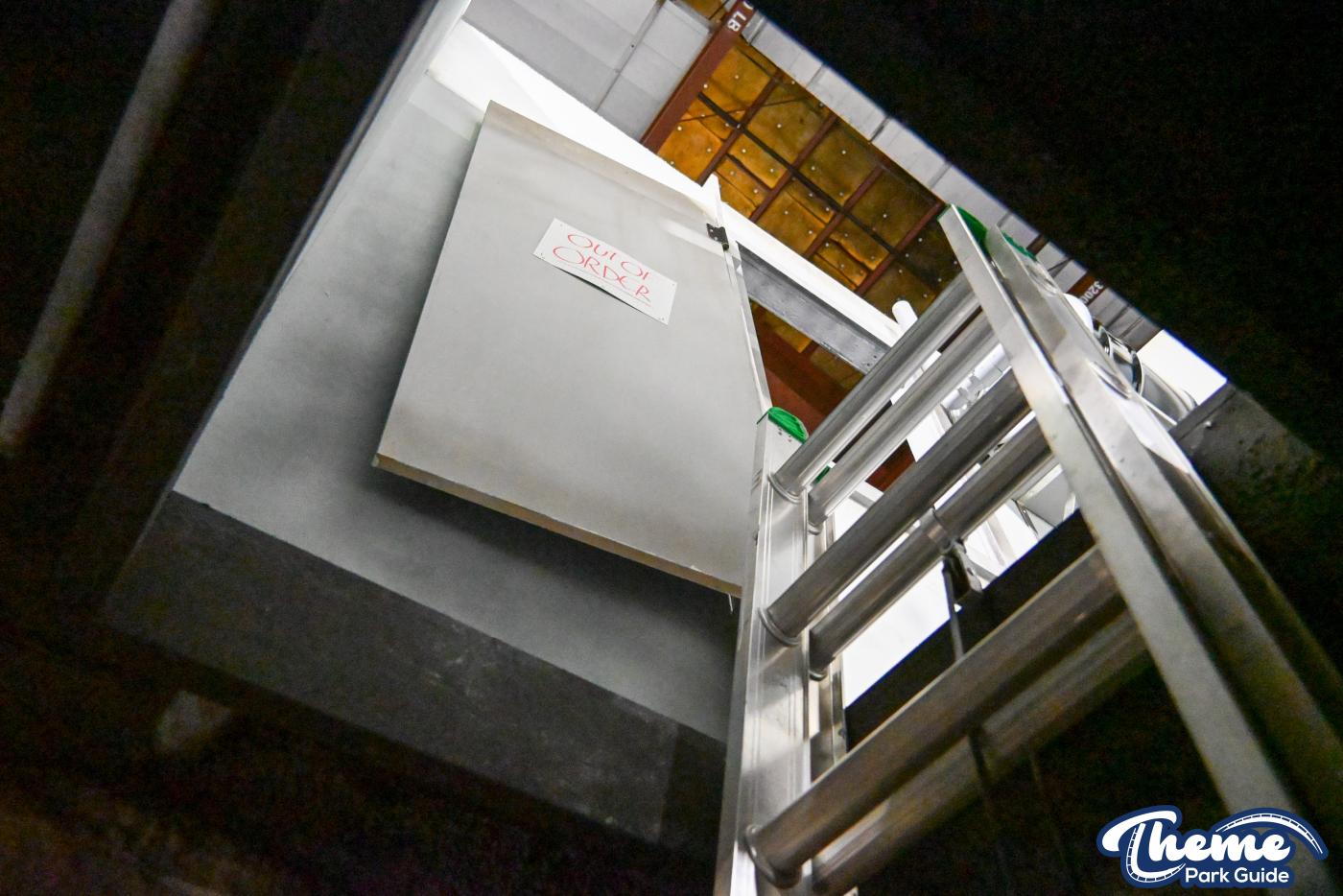
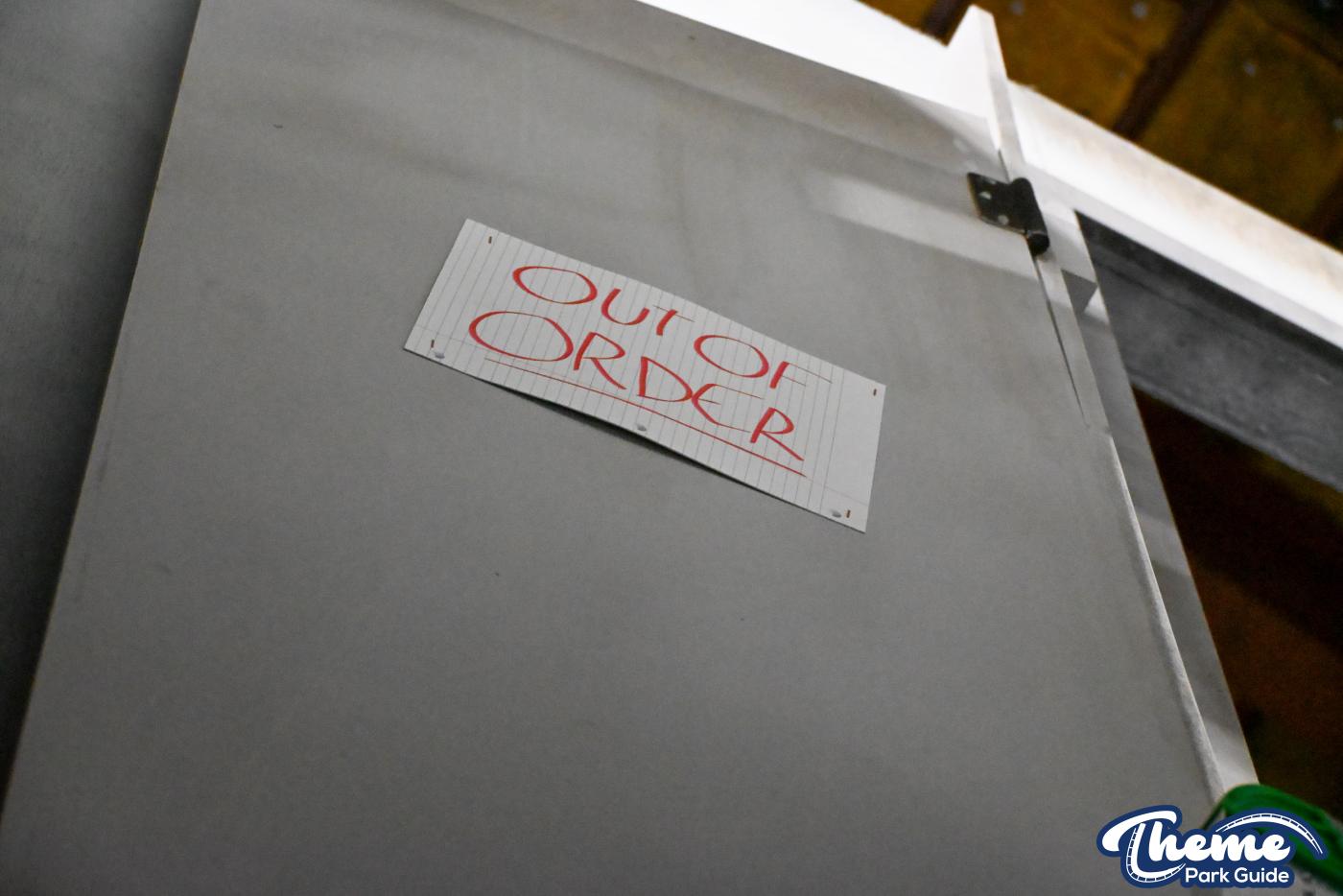
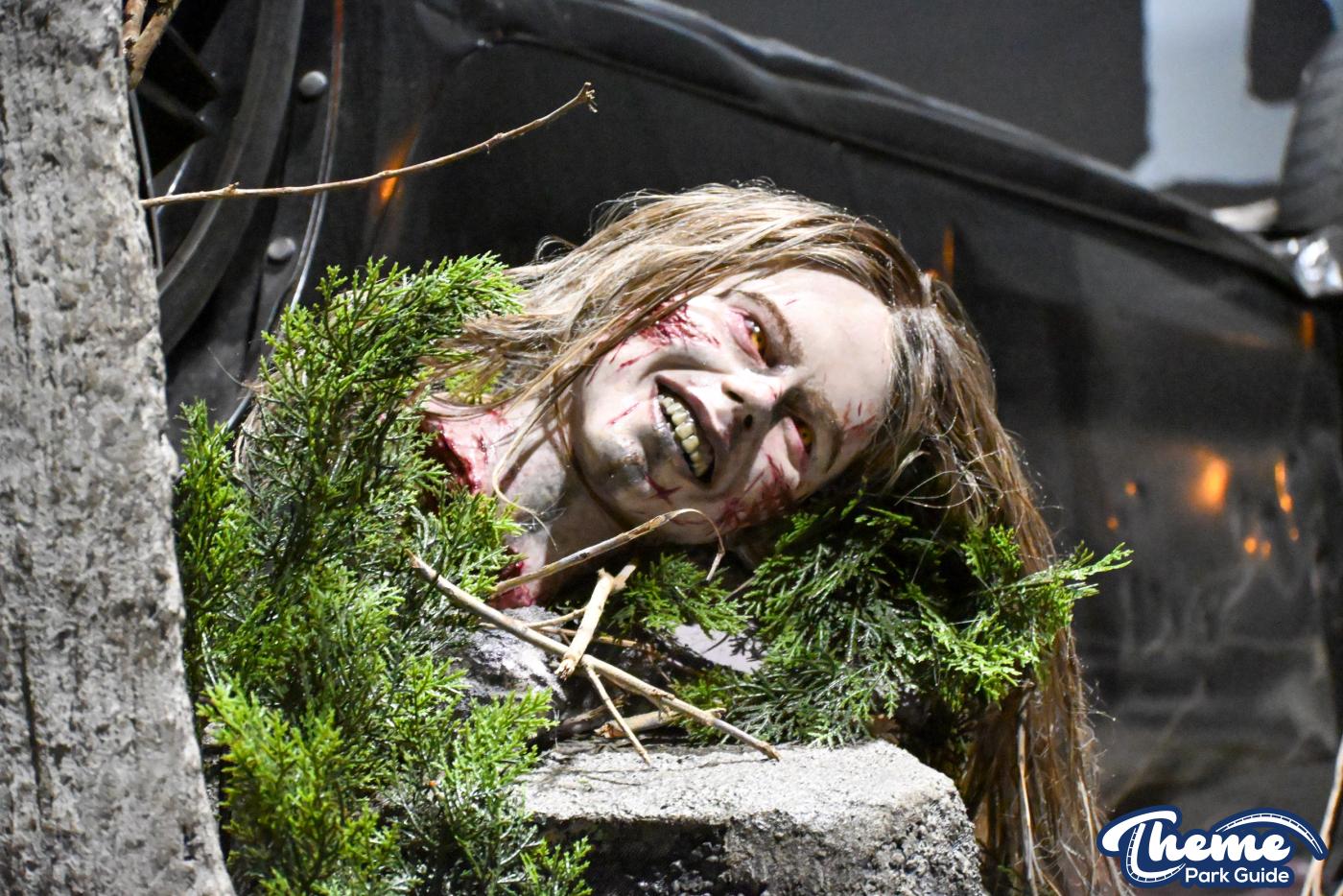
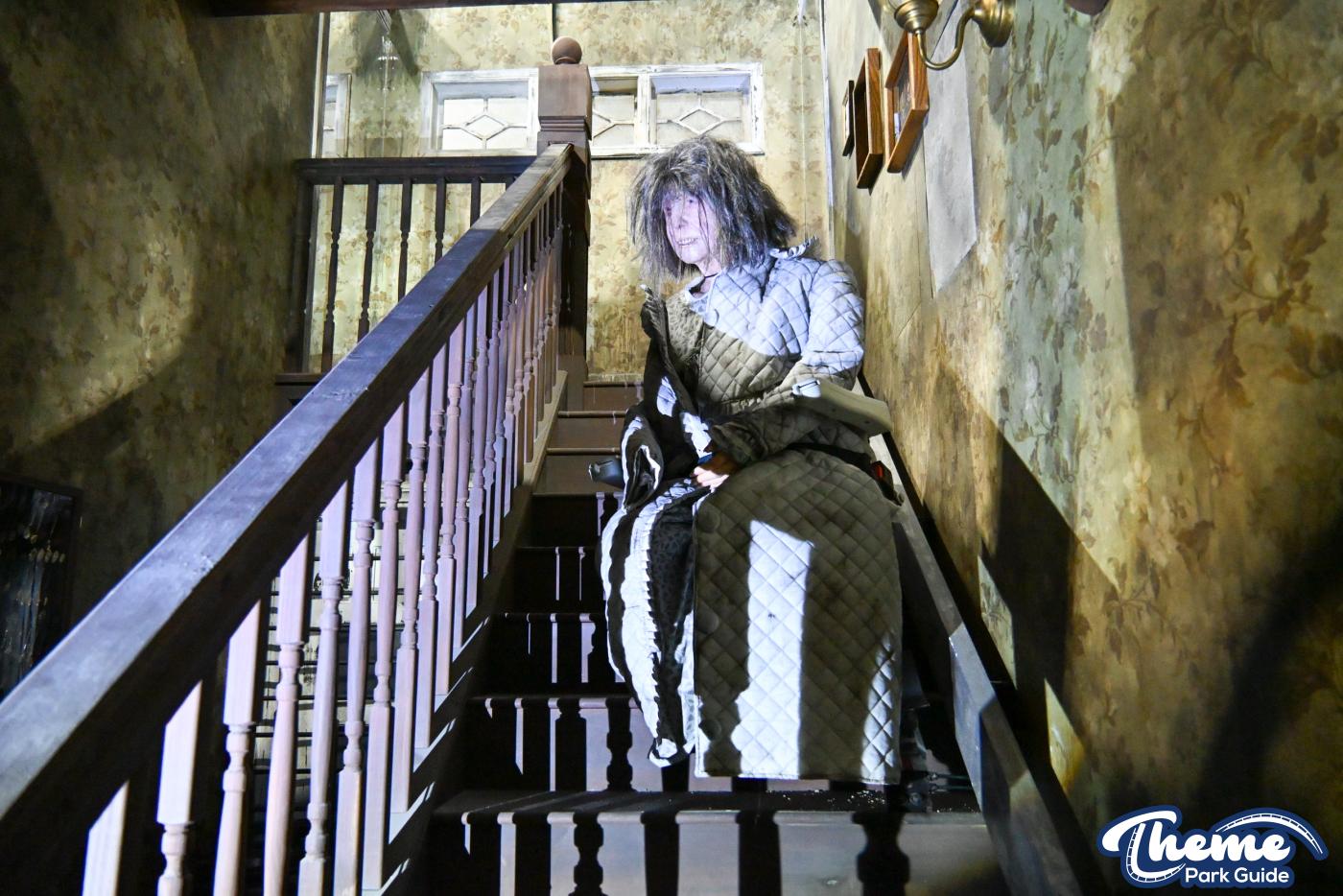
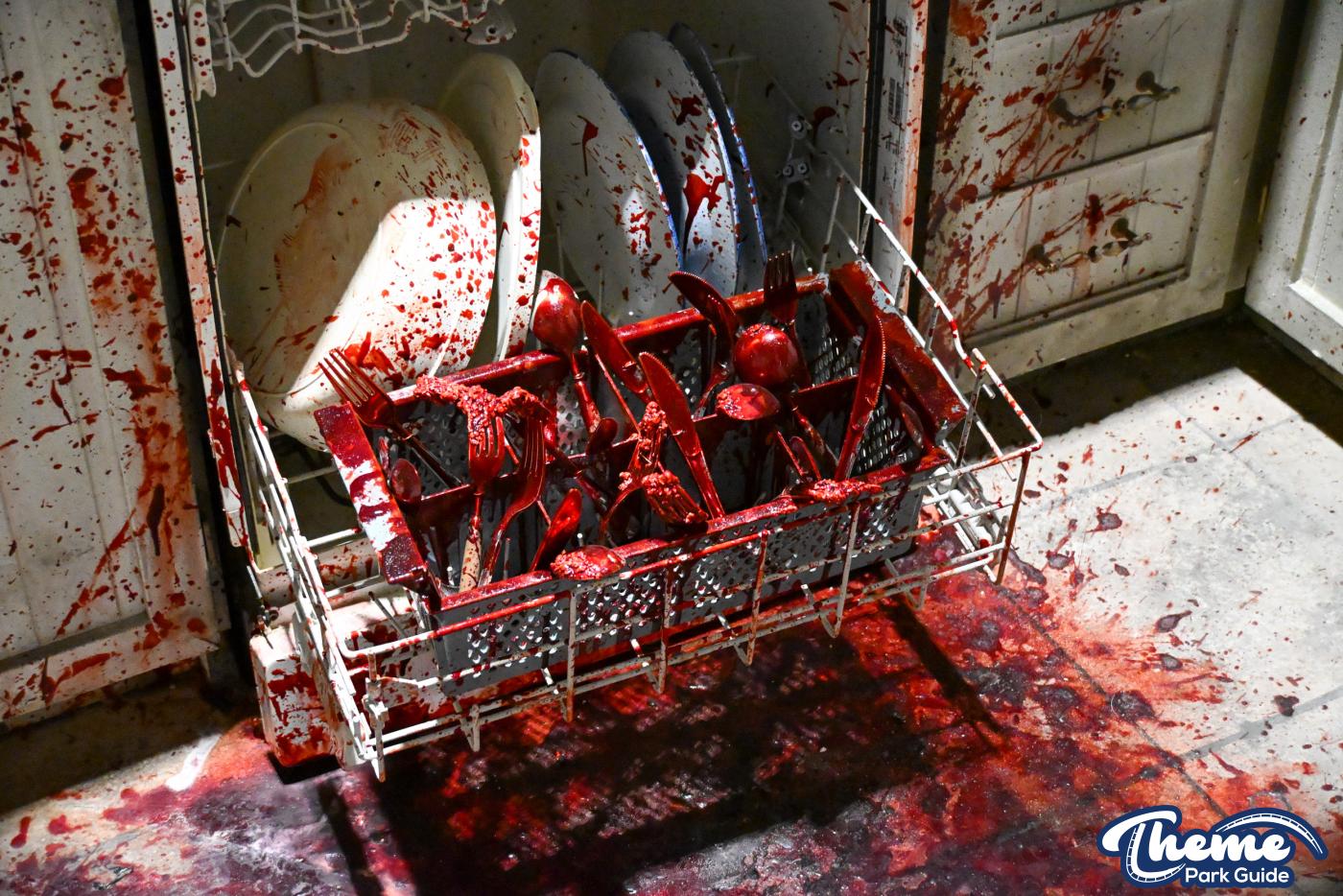
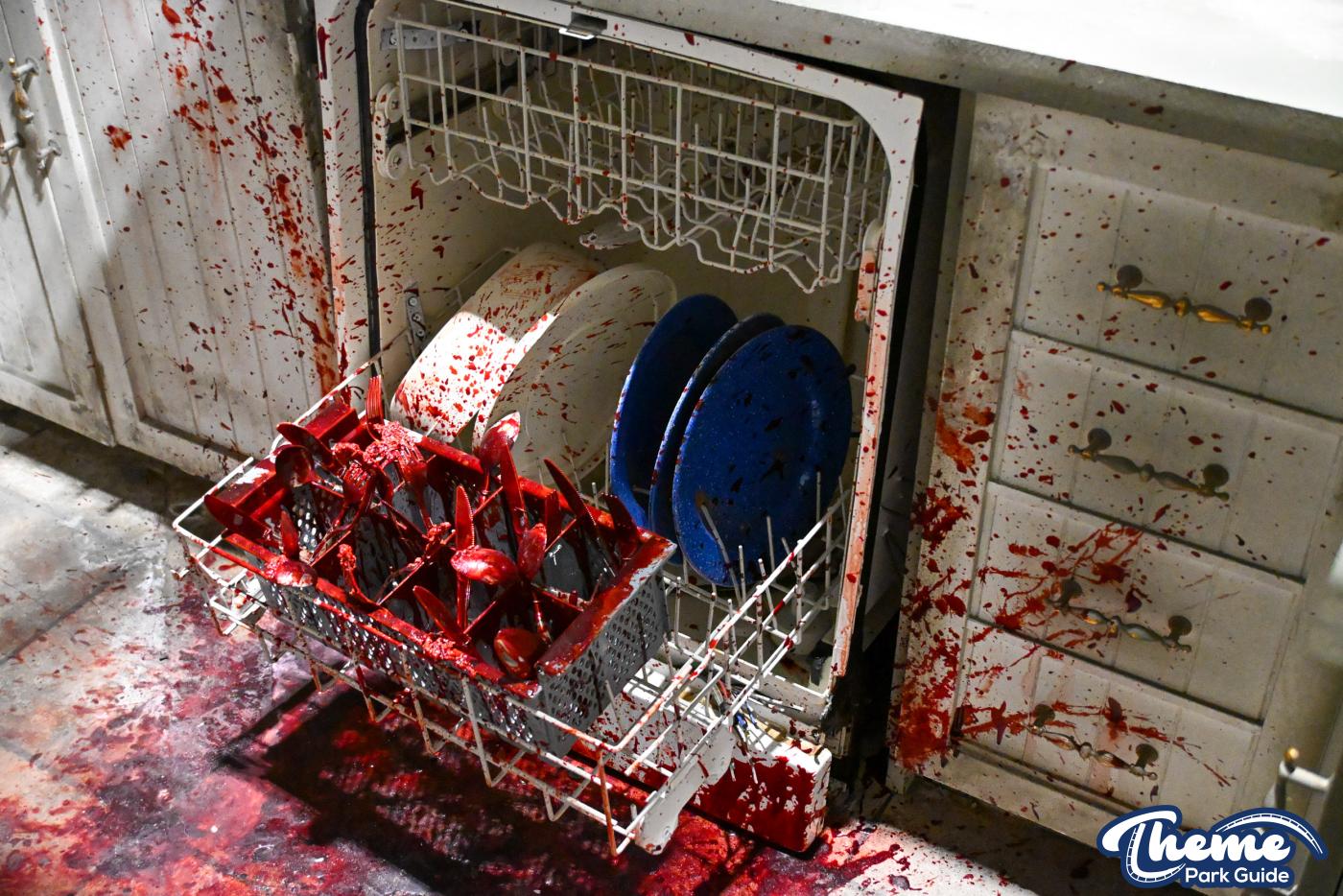
One of the first things we noticed was the animatronic head outside the entrance, representing Jessica from Evil Dead Rise. Inside the house, our guide explained how the creative team worked with measurements and reference material from the production to recreate the environments as accurately as possible. One particularly clever effect involves a dishwasher door, where a piece of Plexiglas covered with wallpaper creates the appearance of a shadow without needing a projector. It's a simple but incredibly effective illusion that we'd never have understood just by walking through the house during the event.
We also learnt about a special scenic technique that makes inanimate objects appear as though they're burning hot. Another interesting discovery was how Universal creates environmental effects such as snow and blood. The team uses a process known as flocking to produce realistic snow, with dedicated application days because the material needs time to harden. Similar planning is required for some of the blood effects, ensuring everything is ready before the houses open to guests.
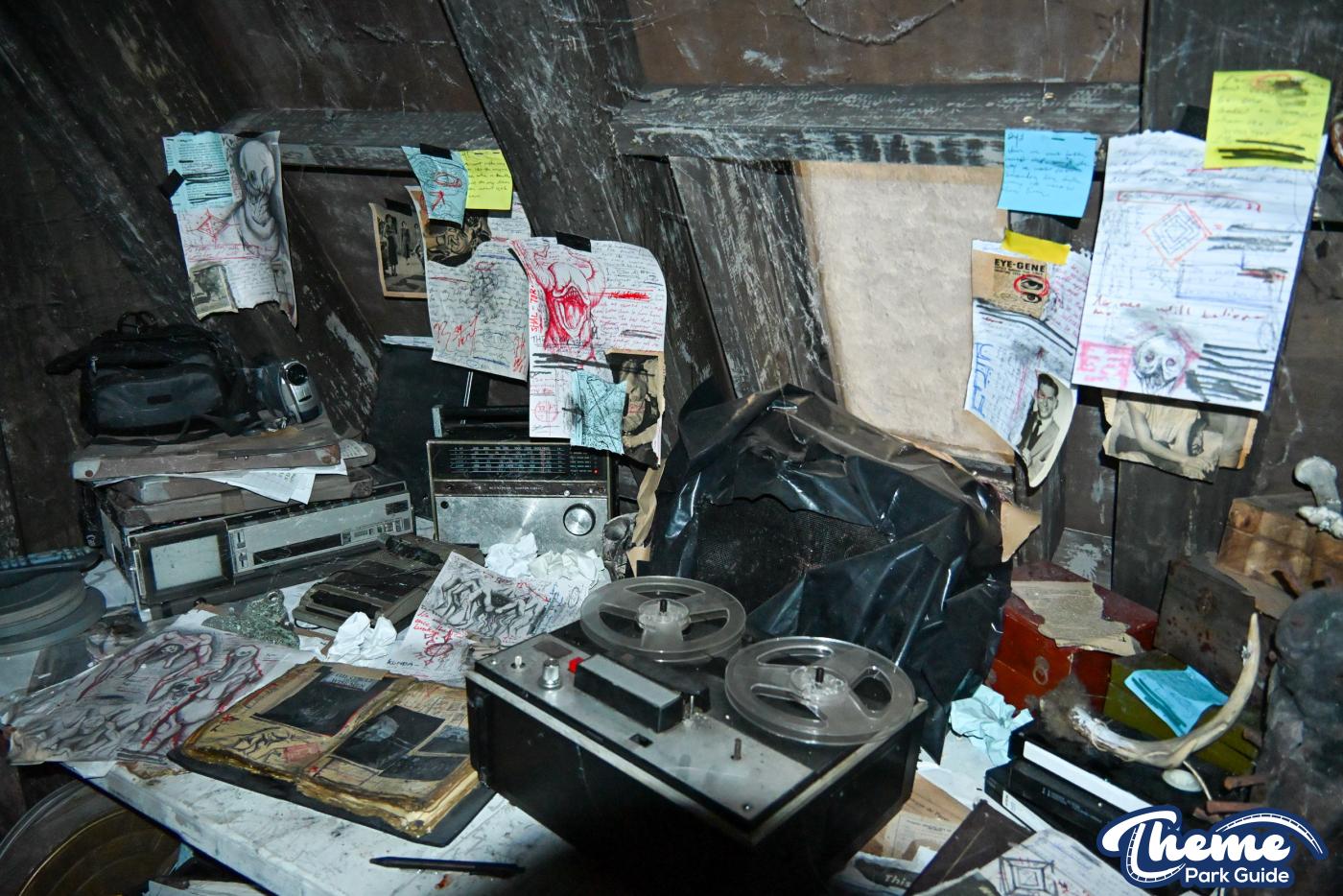
One of our favourite details was hidden in the attic scene, where various notes relating to the Necronomicon can be found scattered across a table. We discovered that these were individually hand-drawn by the Halloween Horror Nights creative team, rather than simply printed and placed around the room. It's an incredible amount of effort for something that most guests would barely notice in the darkness, but it demonstrates just how much attention goes into every scene.
Ozzy Osbourne: Prince of Darkness
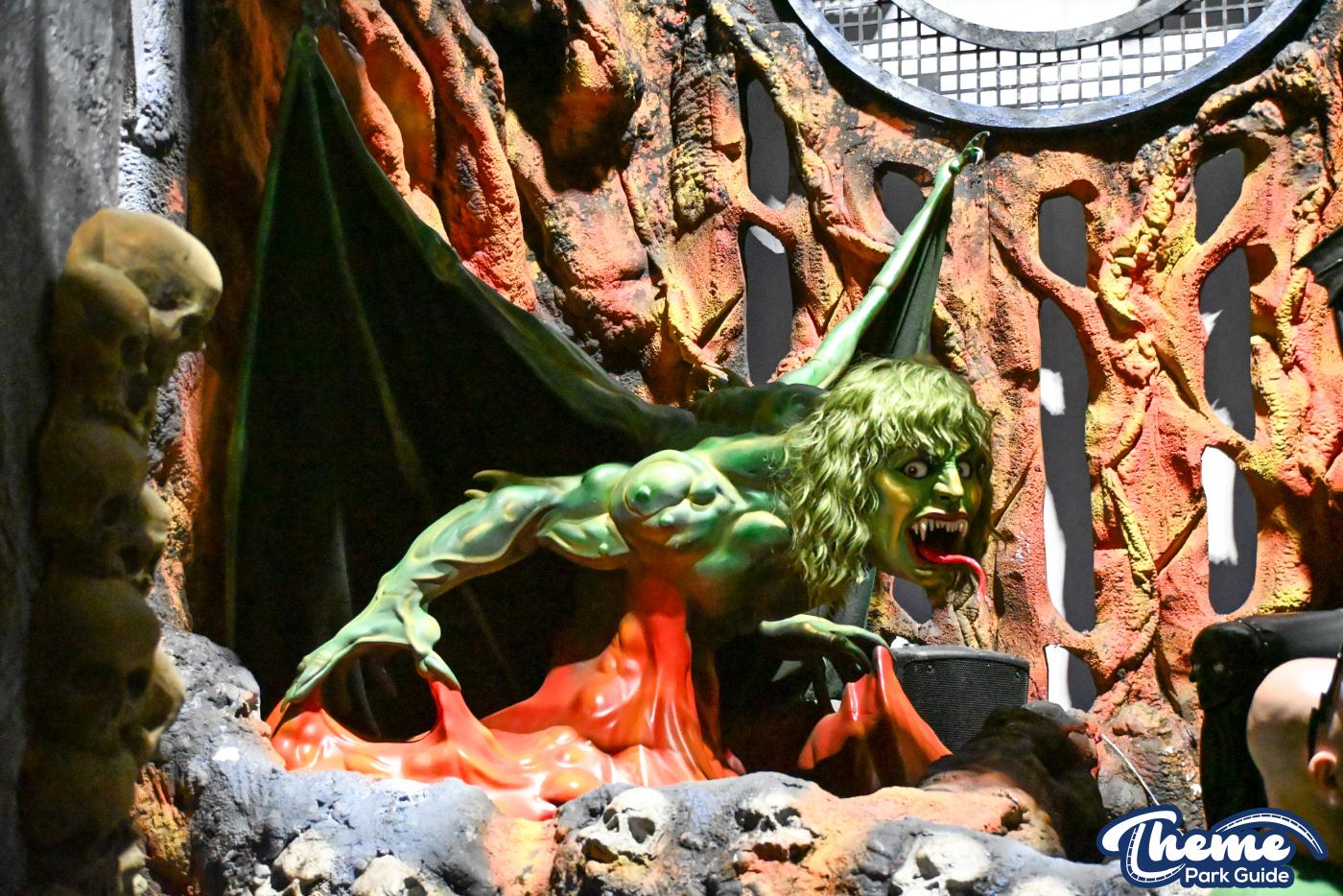
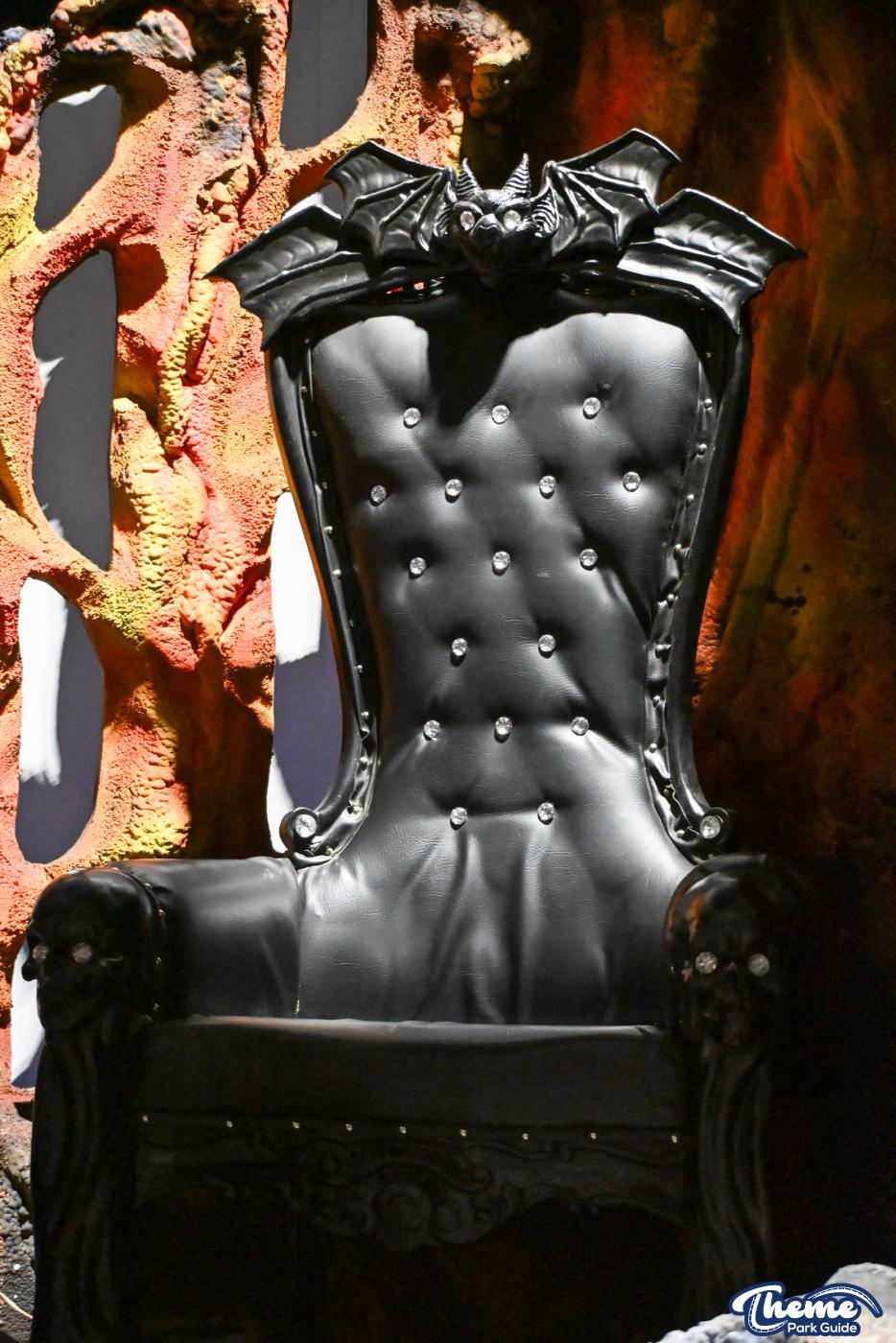
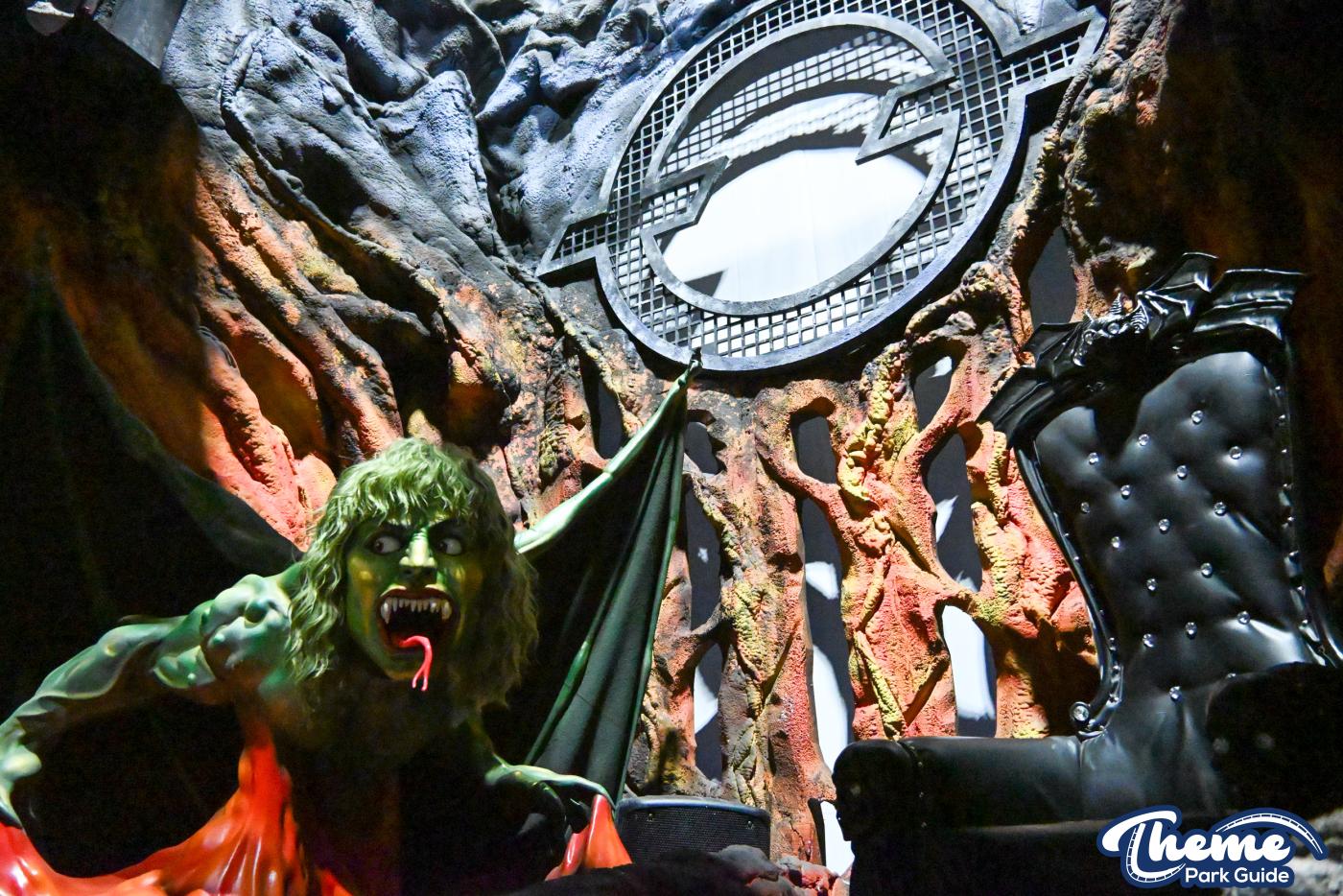
Ozzy Osbourne: Prince of Darkness was one of the most unusual haunted houses at Halloween Horror Nights 35, taking guests on a nightmarish journey through the legendary musician's career, imagery and music. During our tour, we learnt that Universal worked directly with Ozzy's family throughout the creative process, holding meetings approximately every two weeks to help develop the experience. Both Universal Orlando and Universal Studios Hollywood created houses based on Ozzy, although each took a different approach. Hollywood focused more on his earlier career, while Orlando explored his later years and darker imagery.
One of the most fascinating details involved the way Universal changes guests' perspectives throughout the attraction. Rather than relying entirely on oversized scenery or complicated mechanical effects, certain sections use carefully positioned ramps to alter your eye level. This creates the illusion that Ozzy is changing size and shape, while also positioning guests at the perfect height for particular scares. It's such a clever technique, and something we'd never have realised without having it explained during the tour.
The Crazy Train sequence was another highlight, featuring several effects designed to make guests feel as though they're actually travelling aboard the train. Before boarding, guests encounter Conductor Ozzy, portrayed by a performer on stilts. Once inside, the attraction uses powerful vibration devices known as ButtKickers to create a rumbling sensation through the floor, making the environment feel much more alive. Seeing the equipment and understanding how it contributes to the illusion gave us a completely different appreciation for the scene.
Throughout the house, there are also memory portals featuring footage of Ozzy, helping to connect the different scenes and celebrate his career. We loved discovering how the creative team had incorporated references to his music and imagery into the attraction. It's a house that relies heavily on atmosphere, music and perspective, so seeing how those individual elements are put together was particularly interesting.
Sinners
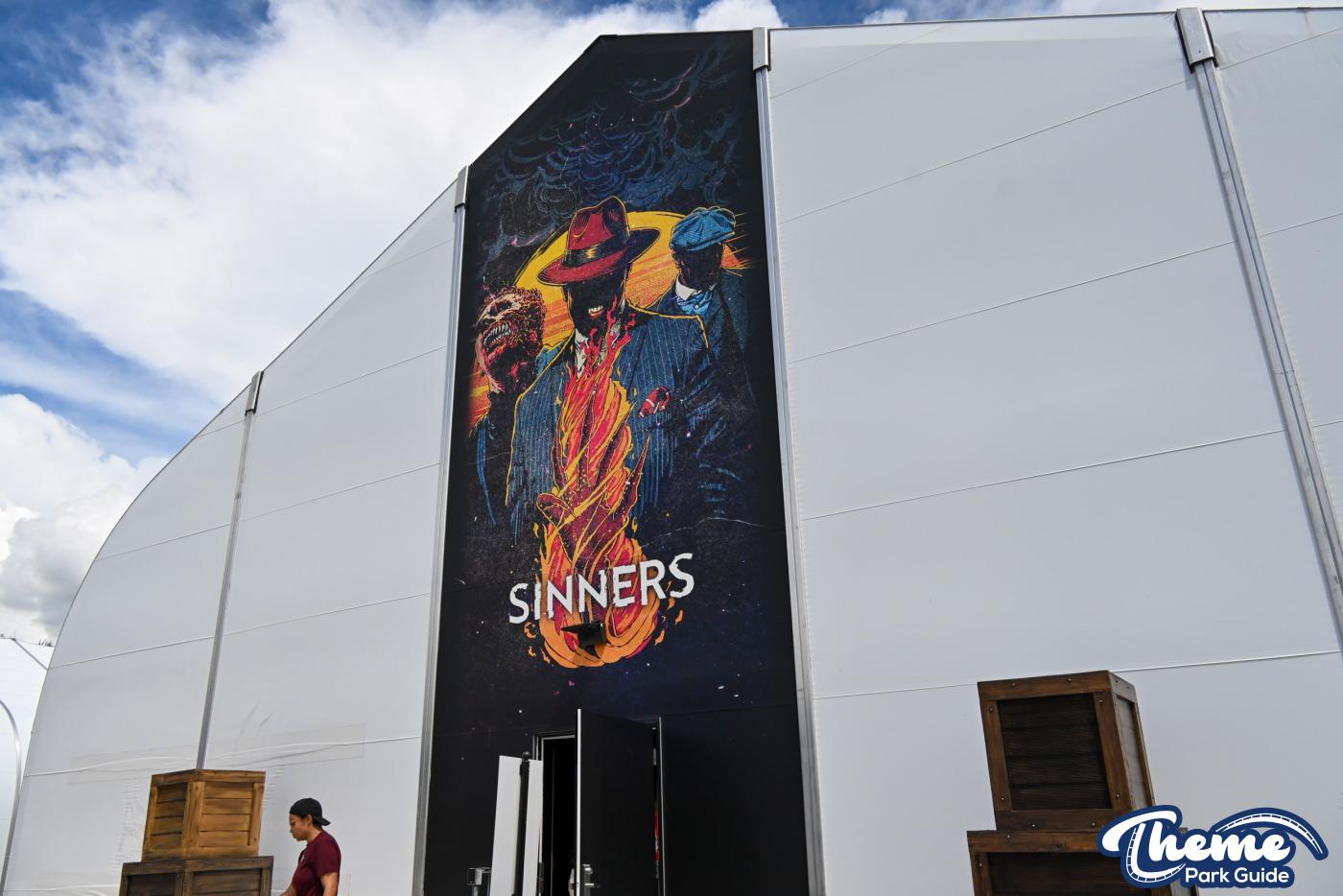
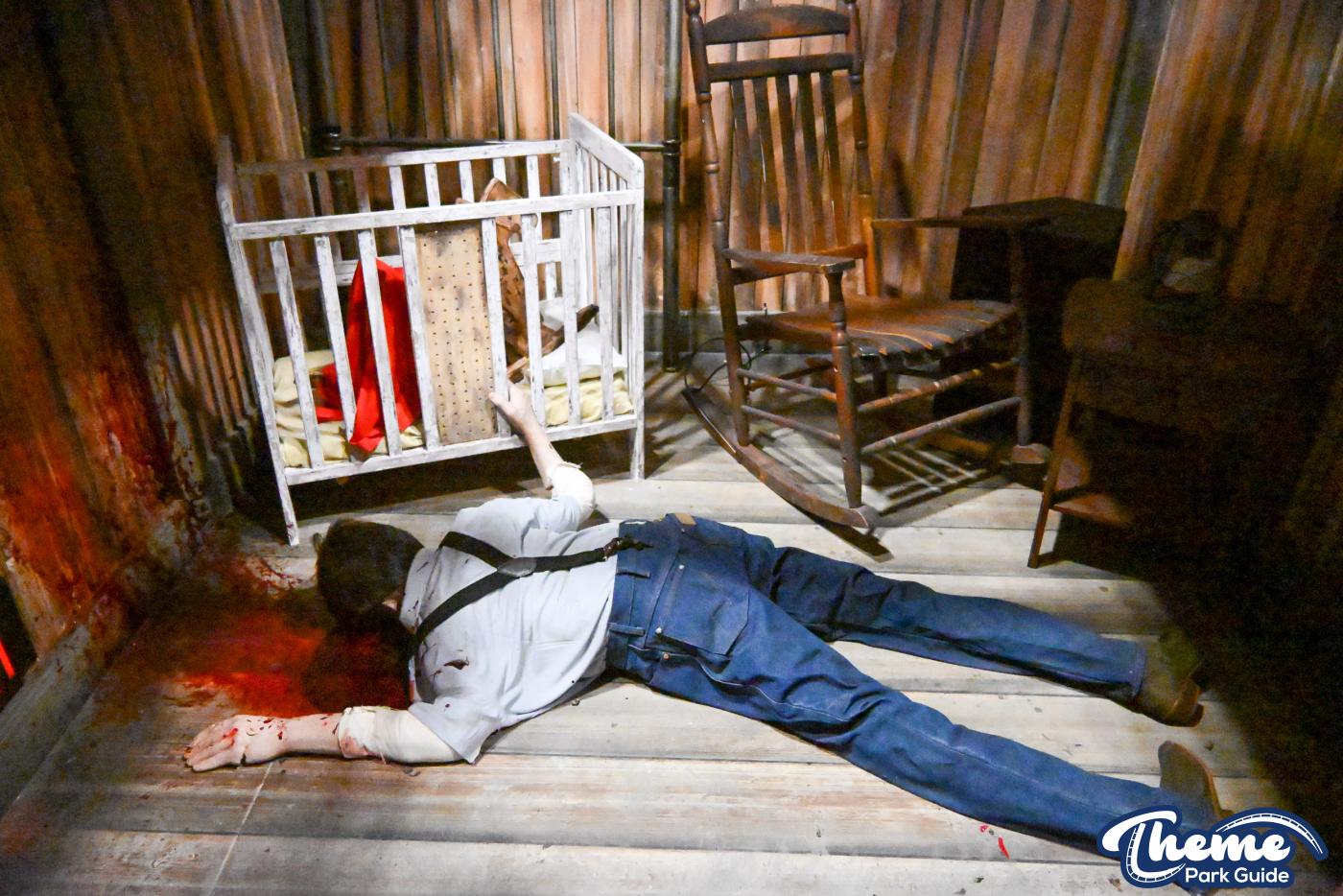
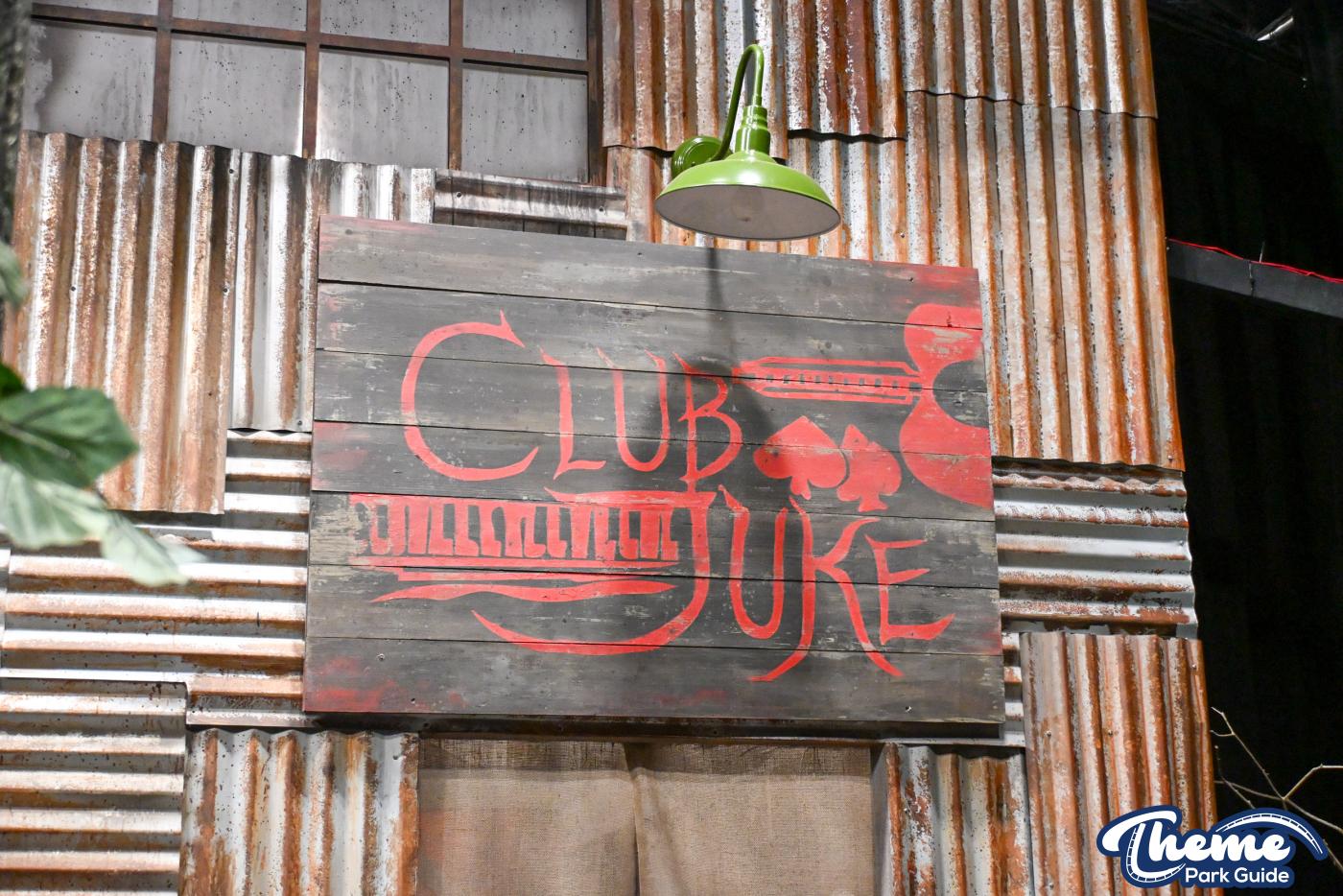
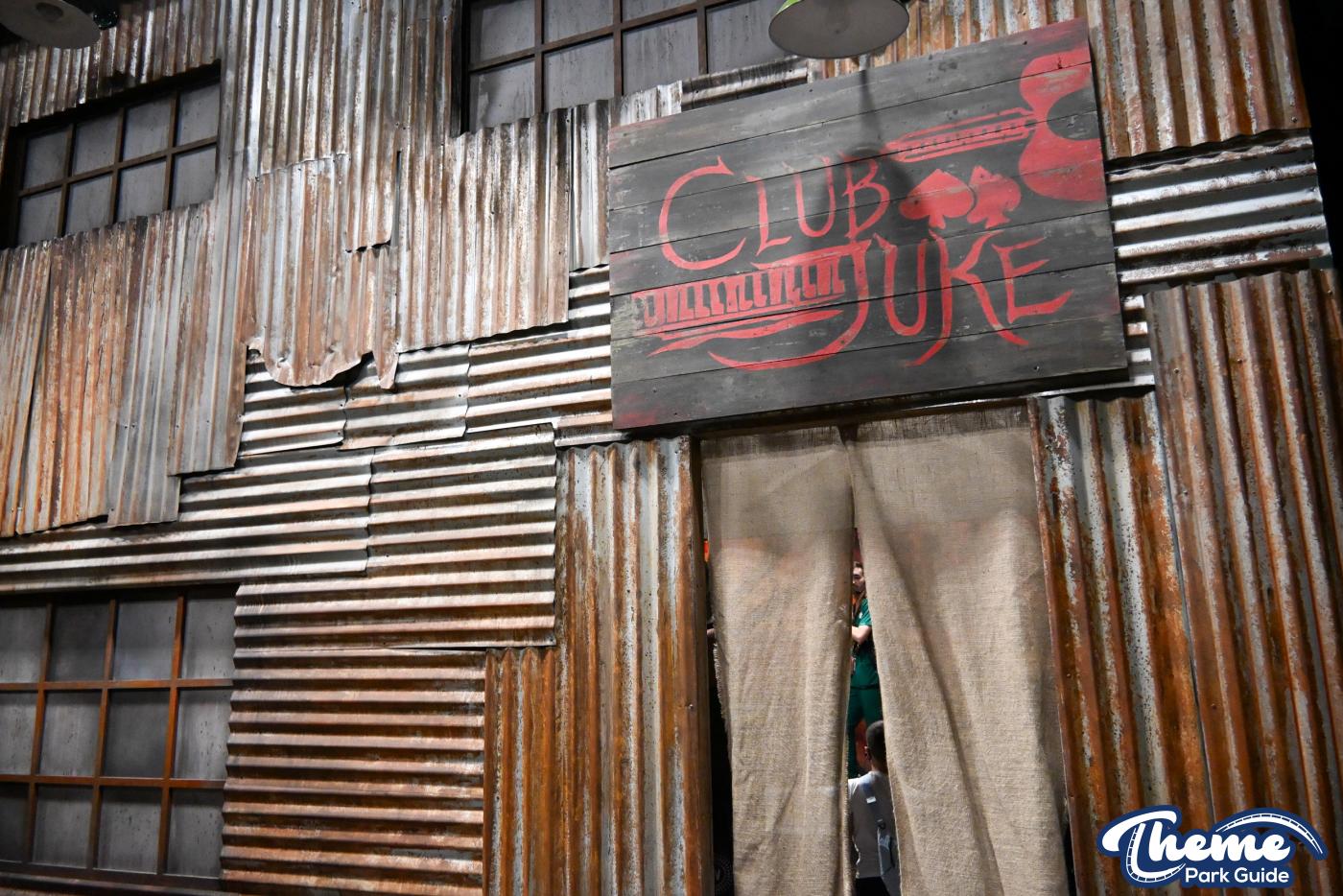
Sinners was another incredible house to explore during the tour, with its detailed sets recreating the atmosphere of the film while hiding some surprisingly clever effects. One of the first things we discovered was that the opening scene is the only point in the attraction where guests encounter Smoke and Stack together as scare actors. It's a small storytelling detail, but one that becomes much more meaningful once you understand how the house is structured.
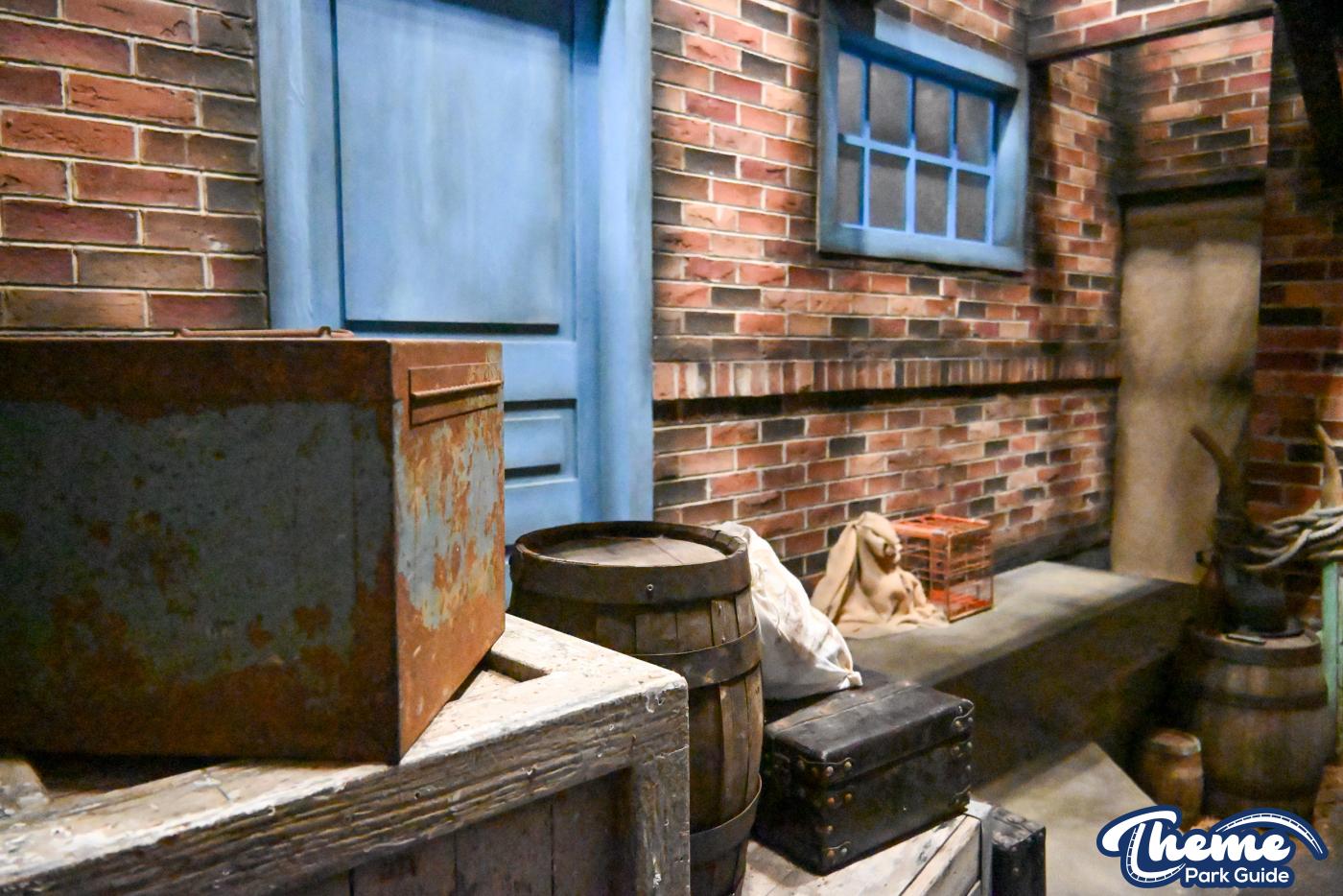
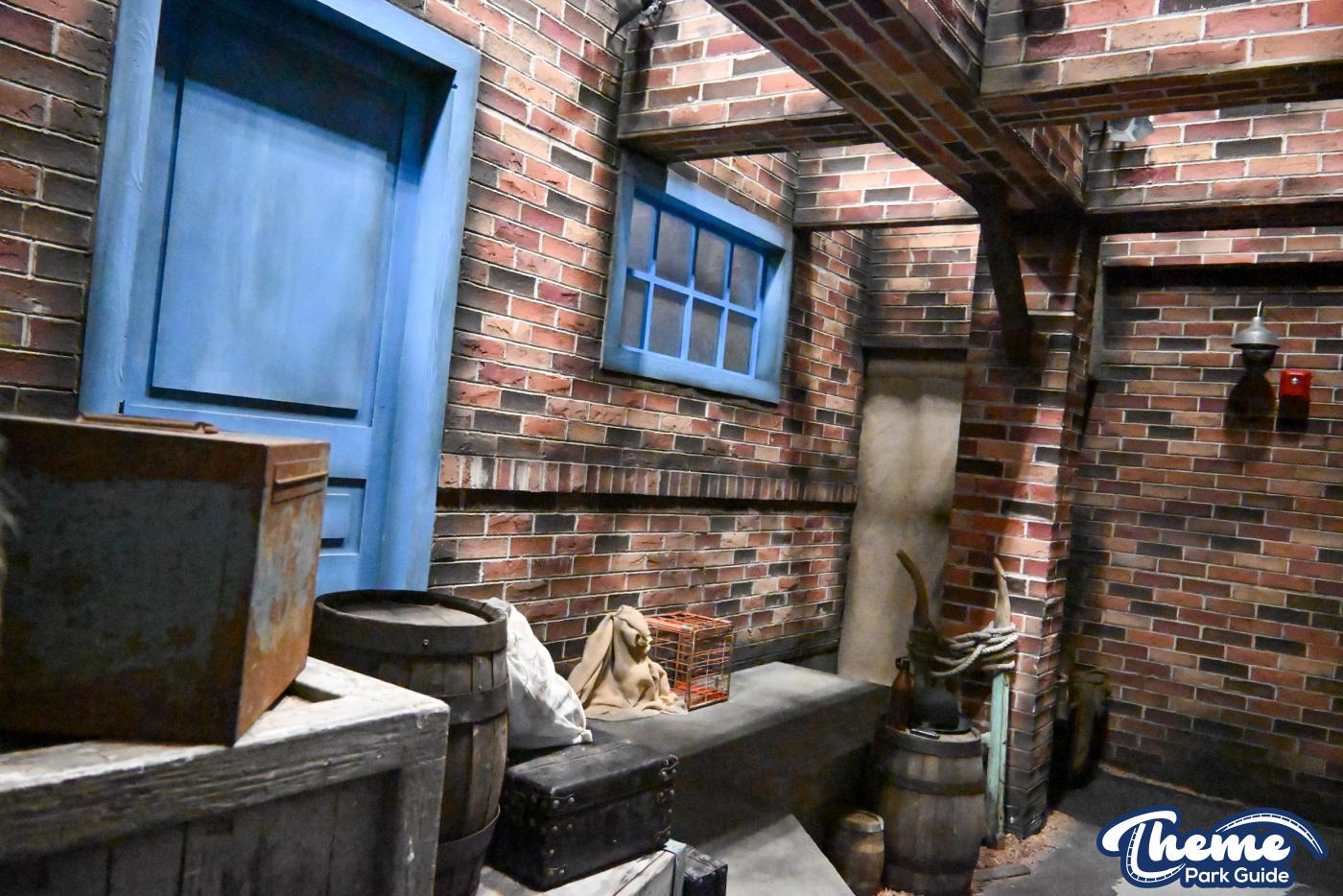
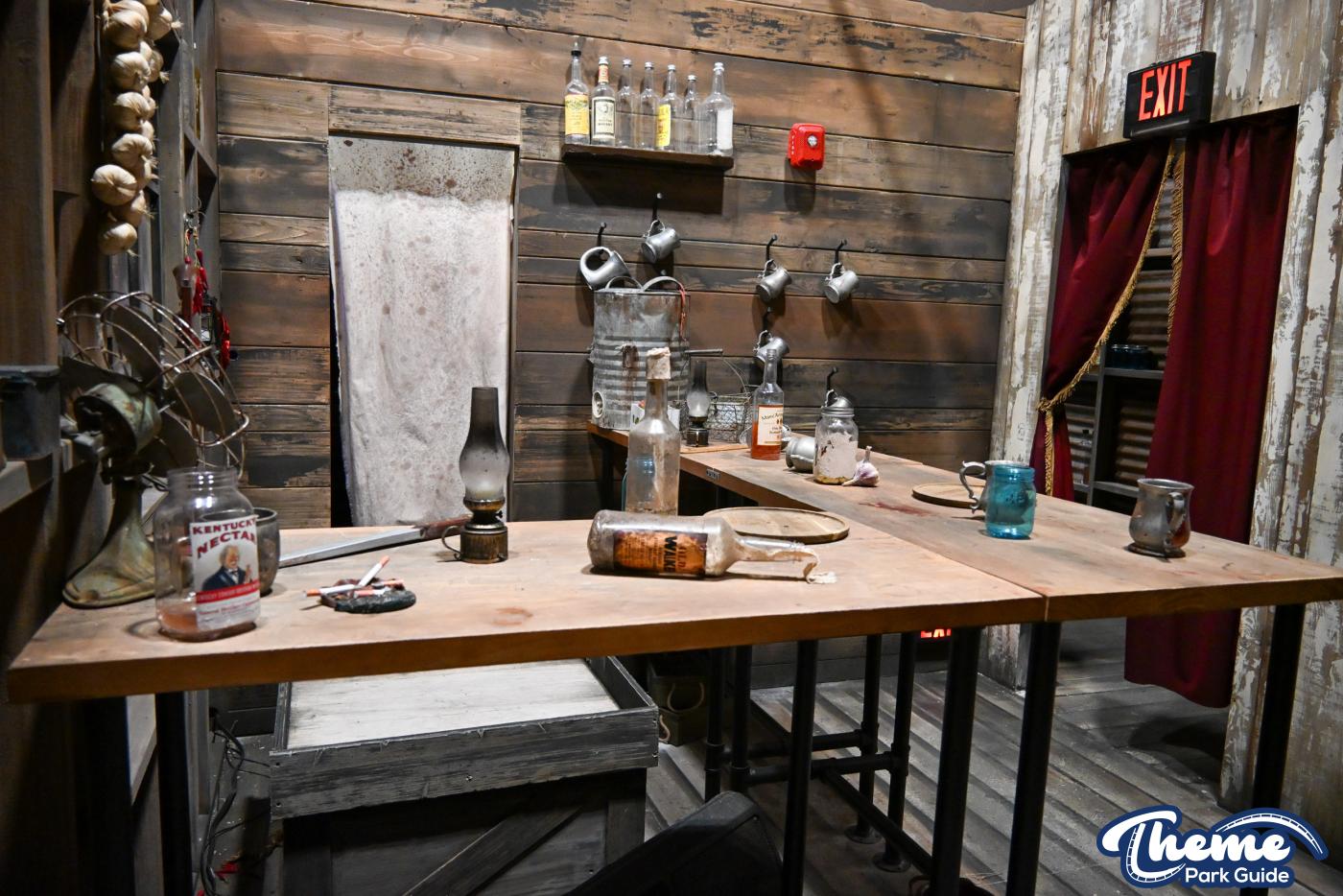
Our guide showed us how even seemingly ordinary props can contain hidden mechanisms. One example was a rocking chair operated using a piston, allowing it to move backwards and forwards without anyone sitting in it. We also learnt that the landscaping team regularly repurposes trees and other natural materials for haunted houses and scare zones, helping the environments feel much more realistic. Universal also sources many of its smaller props and decorations from estate sales, charity shops and second-hand shops, giving the scenery a more authentic appearance than entirely new items would provide.
Another fascinating detail involved the scare actors themselves. We were told that Universal provides specialist contact lenses for performers when required, taking their individual prescriptions and comfort into consideration. Elsewhere, mannequins use reflective safety stickers to create the appearance of glowing eyes, while fake cigarettes feature a metallic strip that makes them look as though they're lit. These are tiny details, but they make a huge difference when combined with the house's carefully controlled lighting.
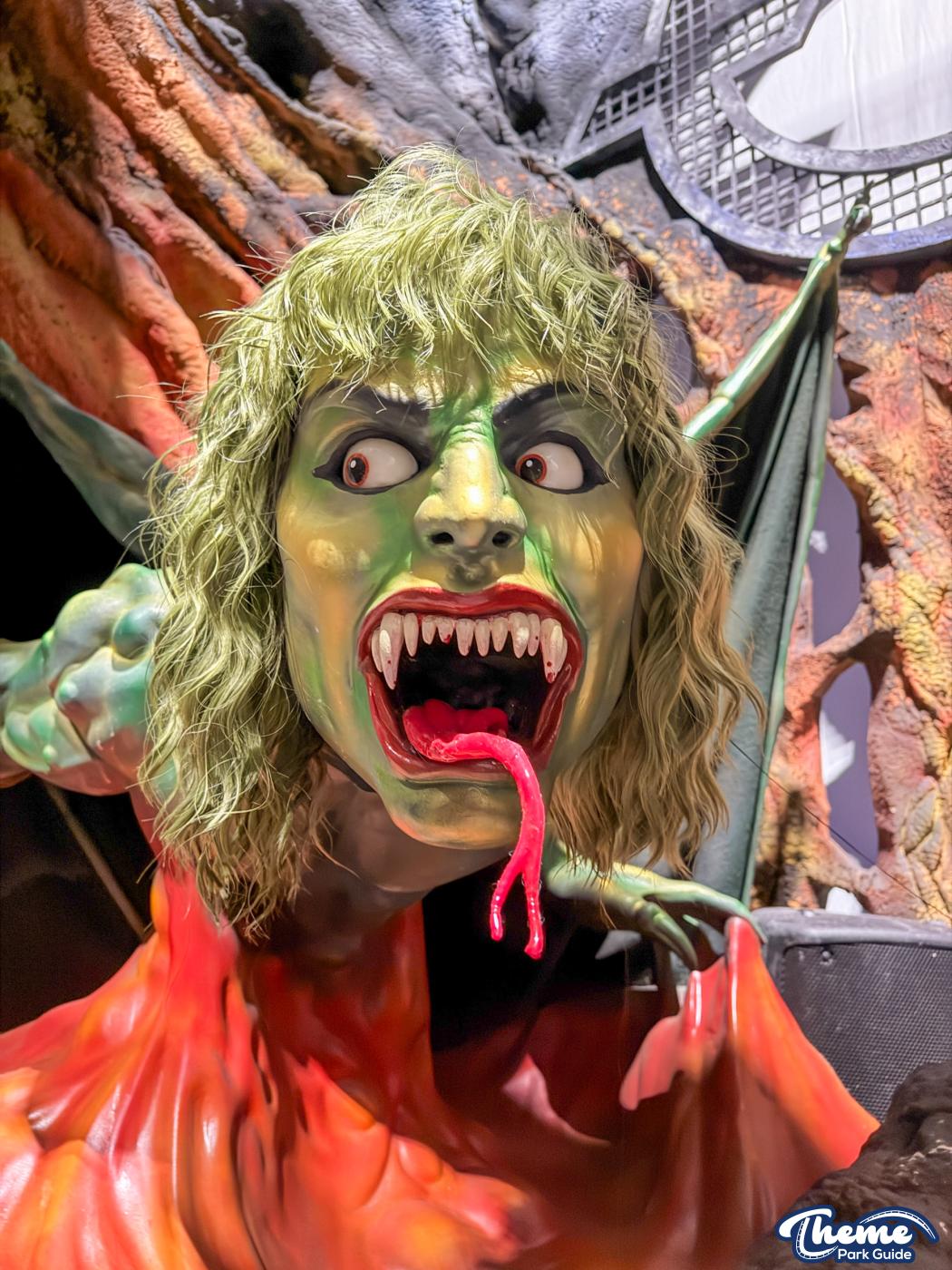
One of the most impressive scenes comes towards the end, when the sun begins to rise and a vampire appears to melt as it charges towards guests. We discovered that part of this effect involves a smoking jacket, creating the illusion that the character is burning as daylight reaches them. It's a brilliant example of how practical effects and performer timing work together to create a memorable scare.
Madlands: Caged Cannibals
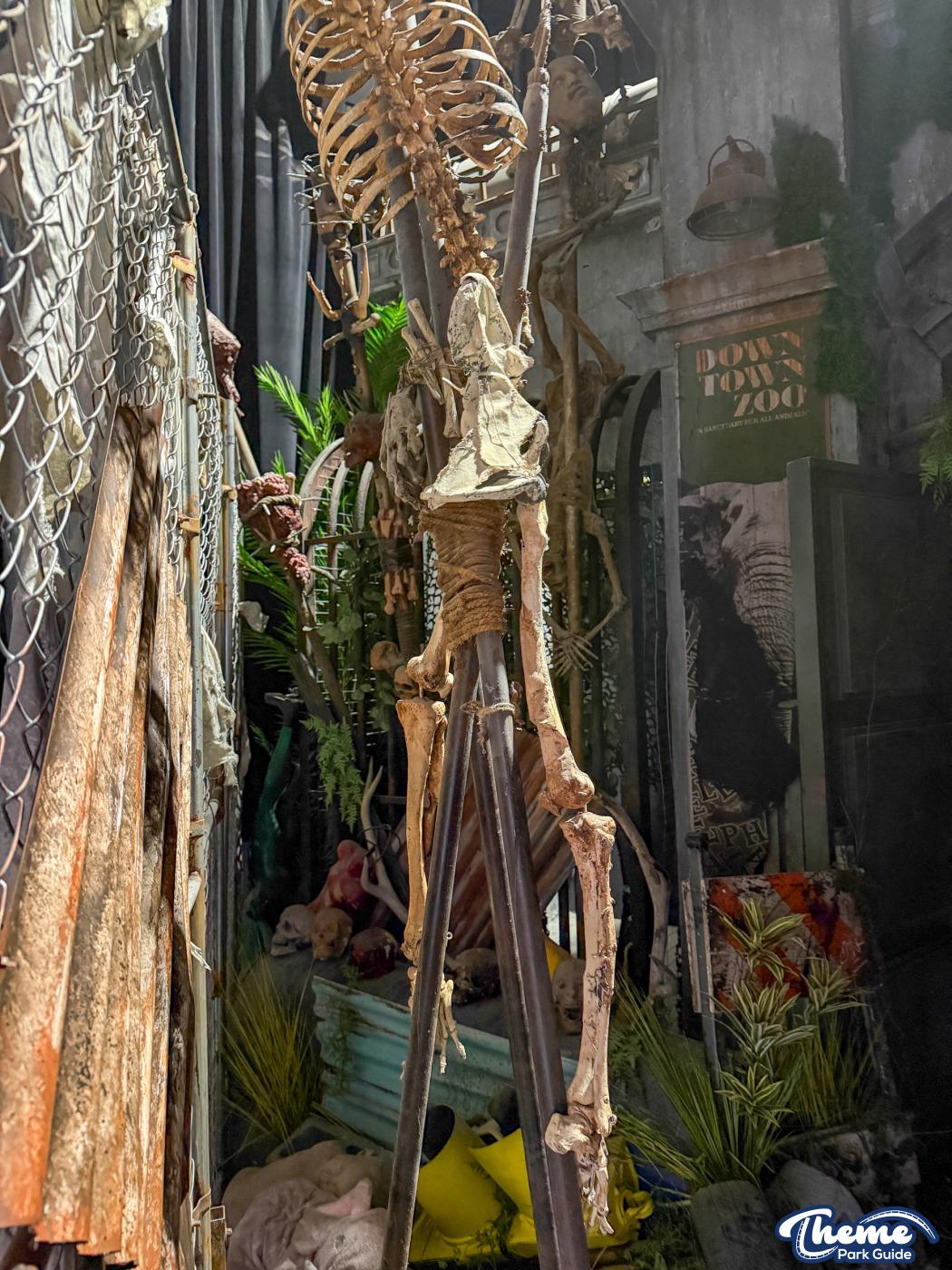
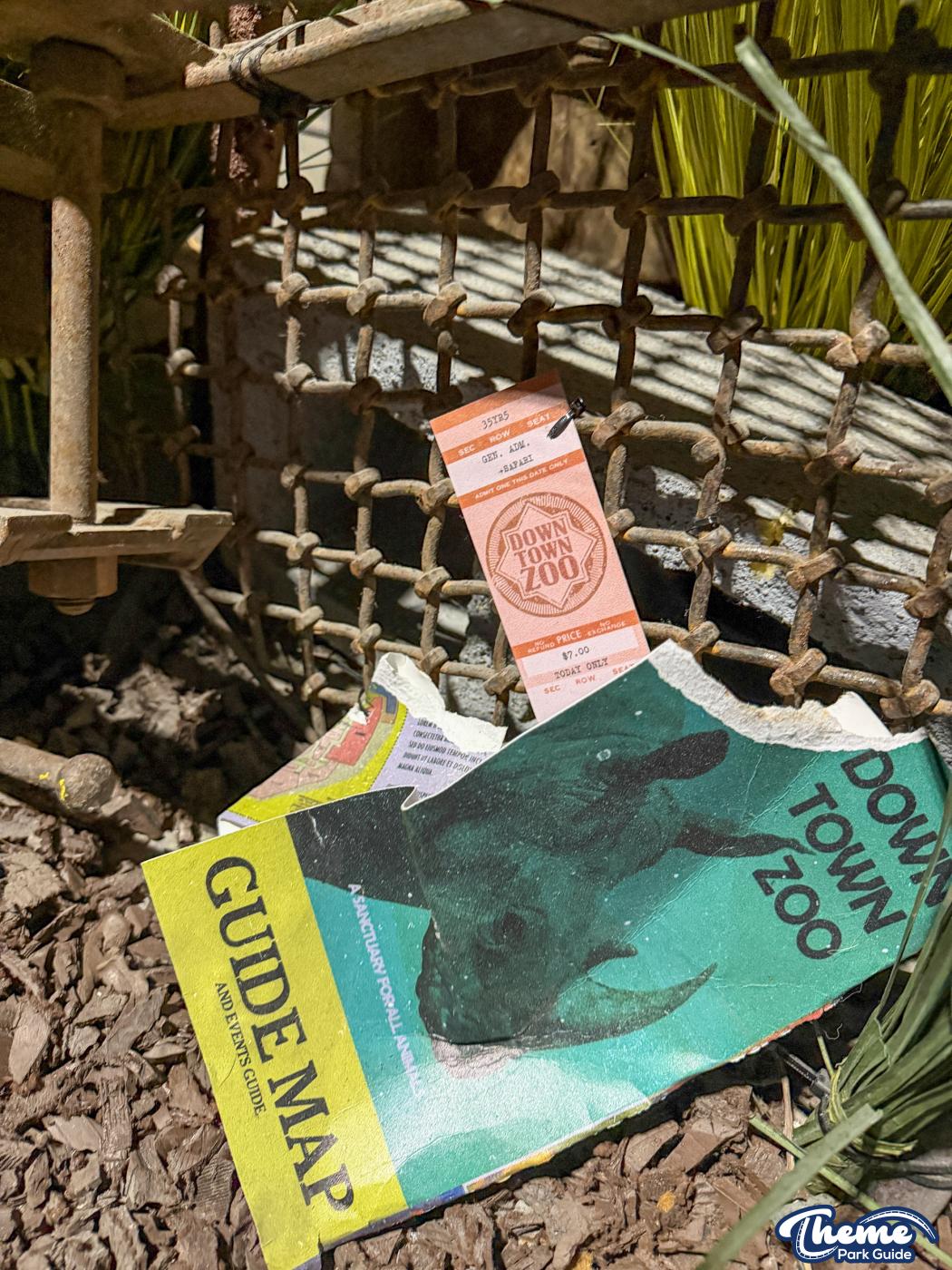
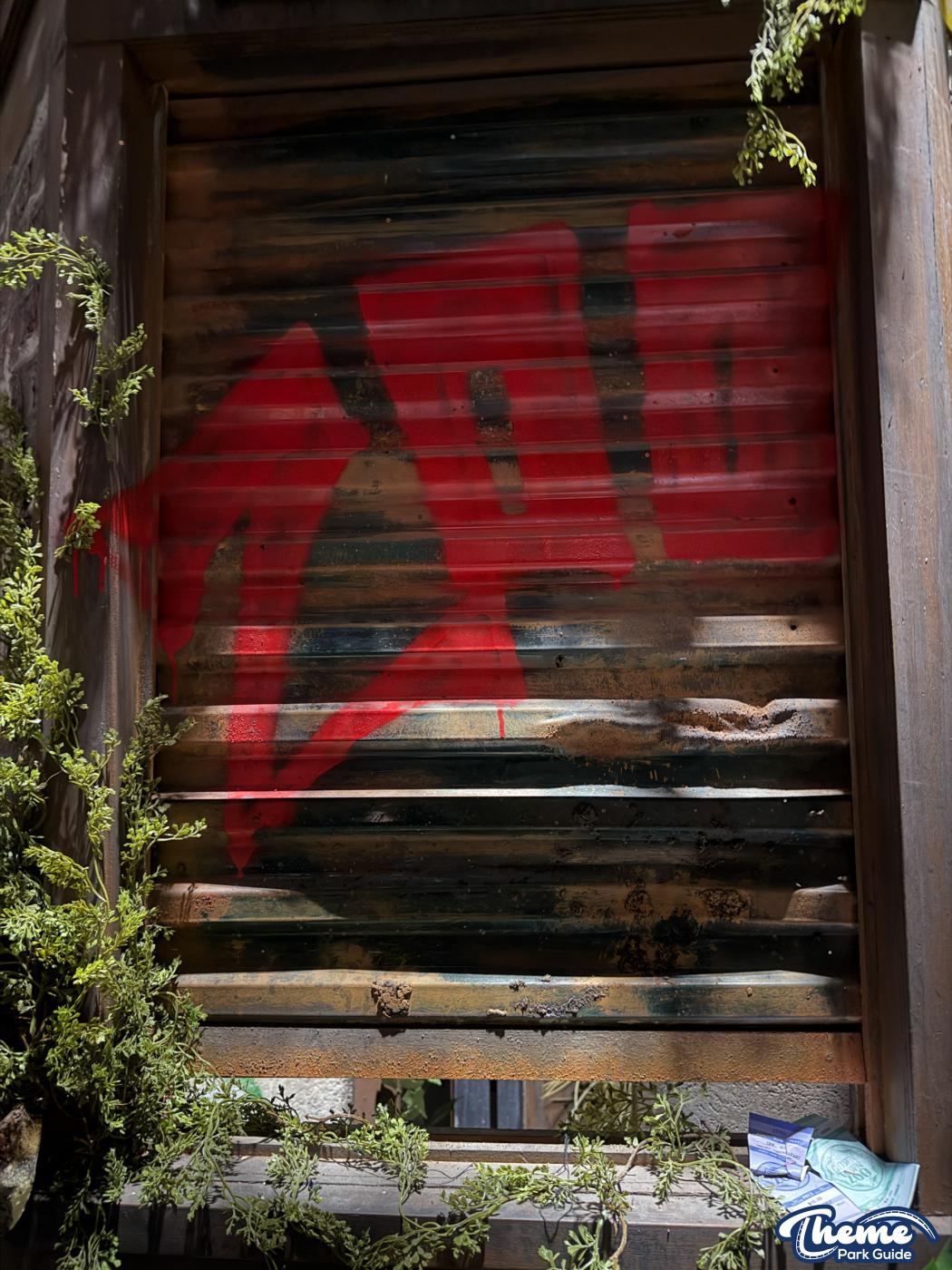
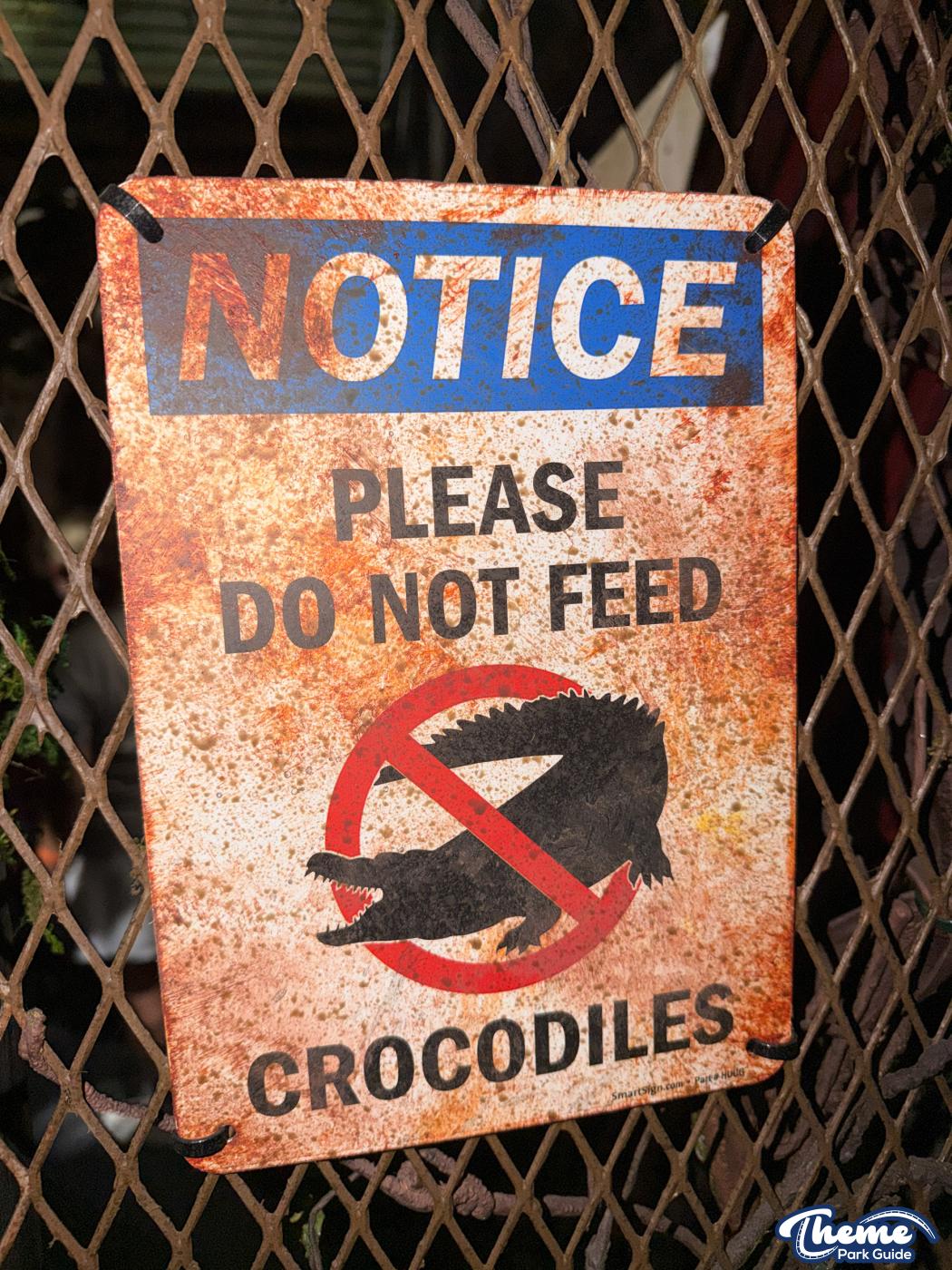
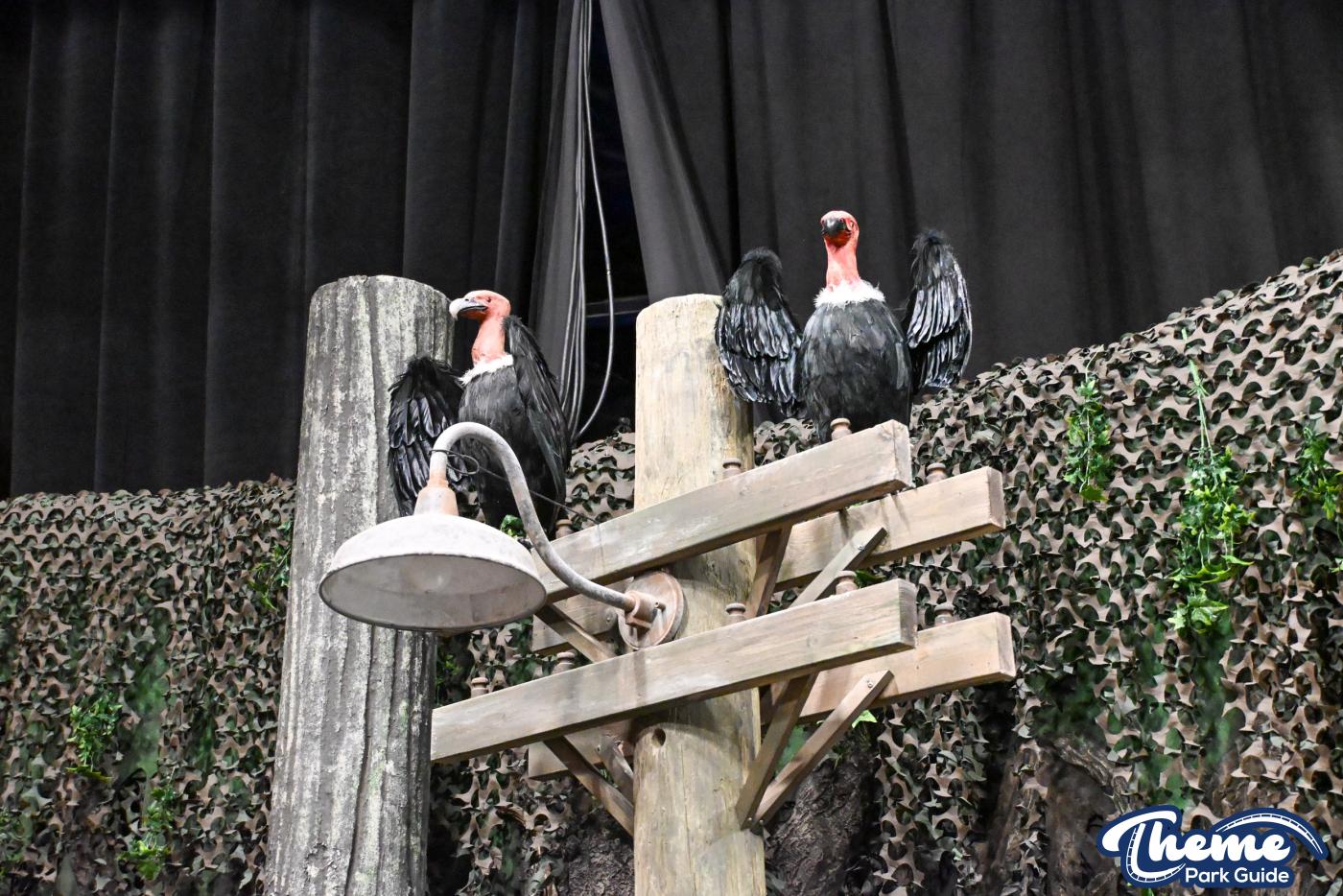
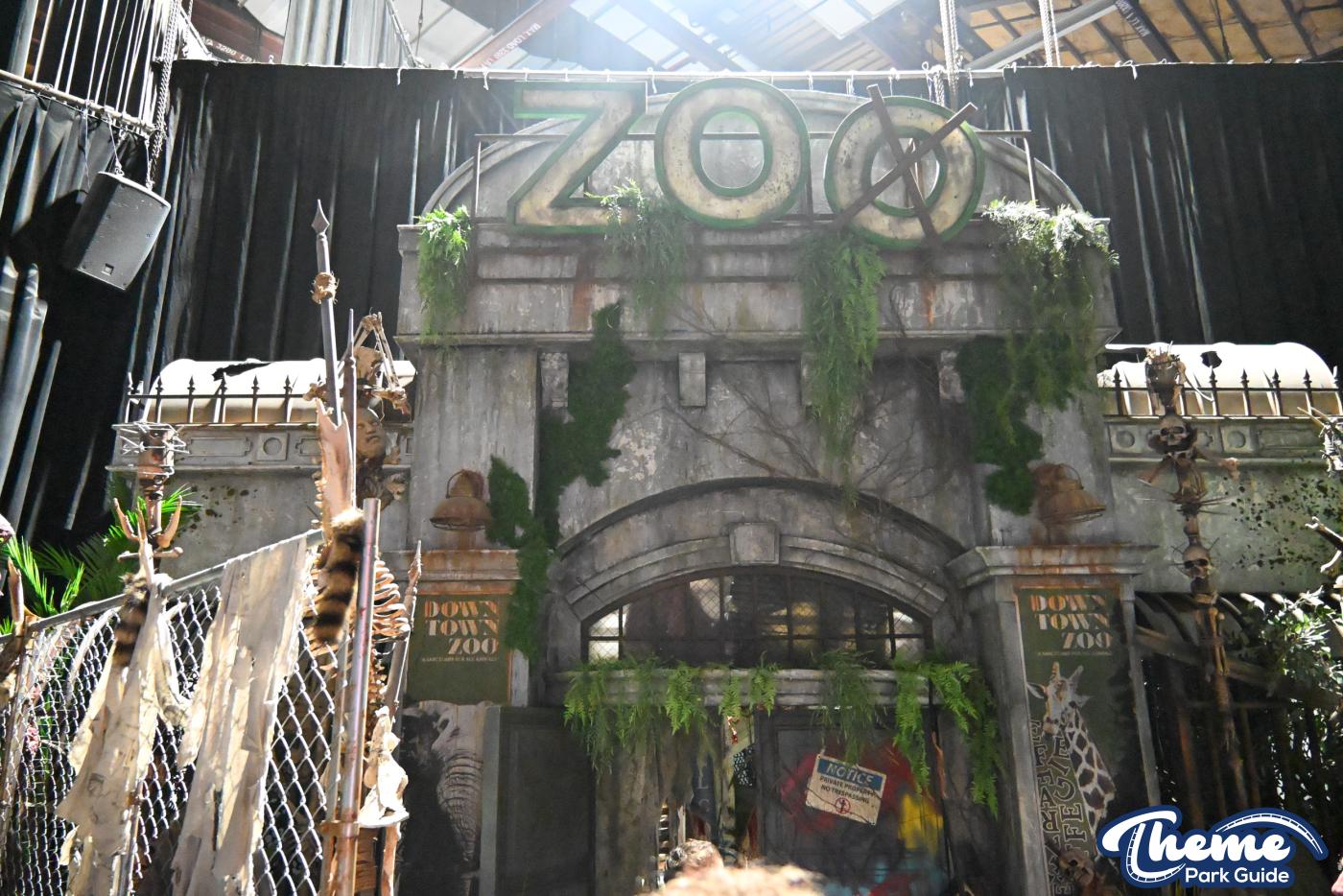
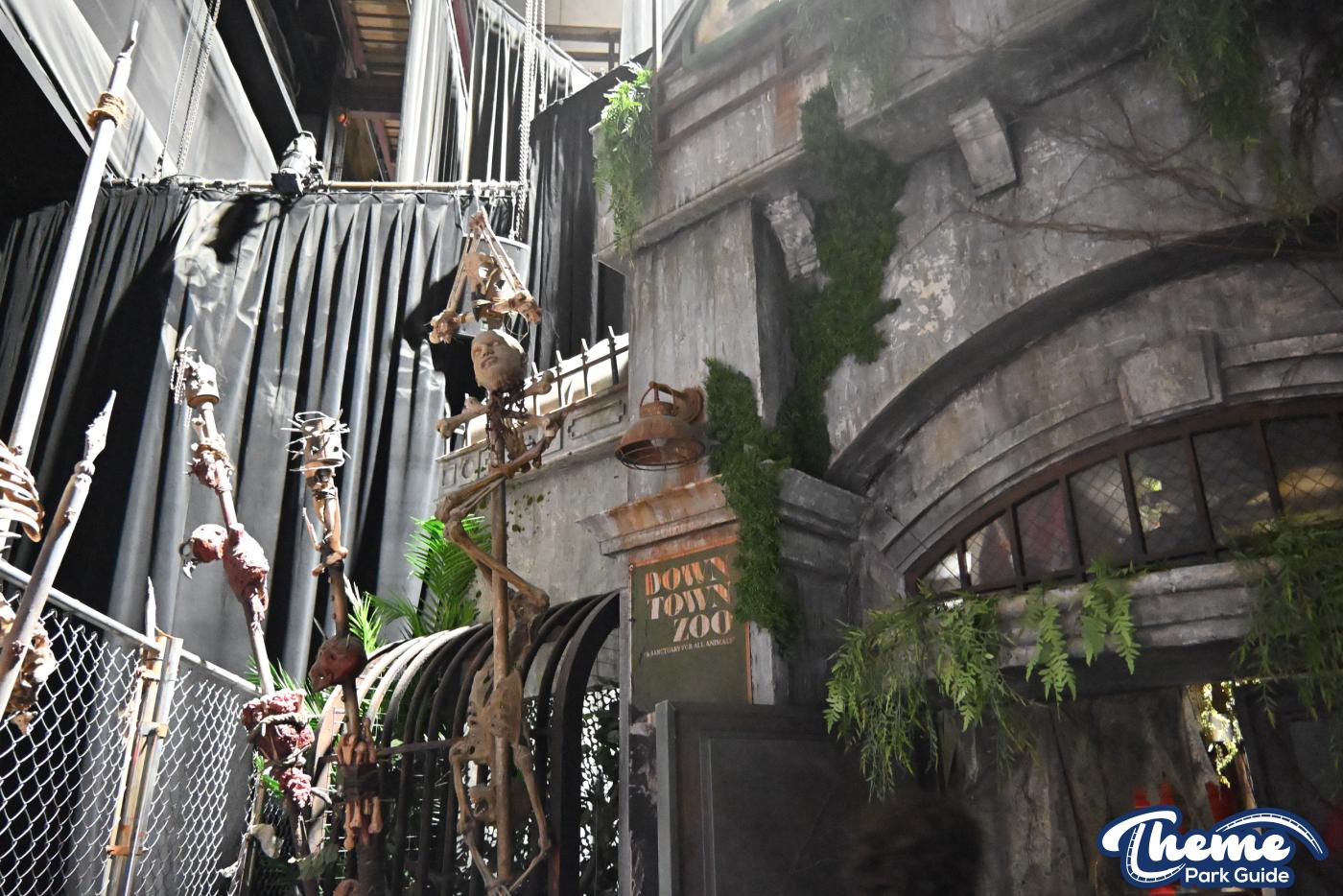
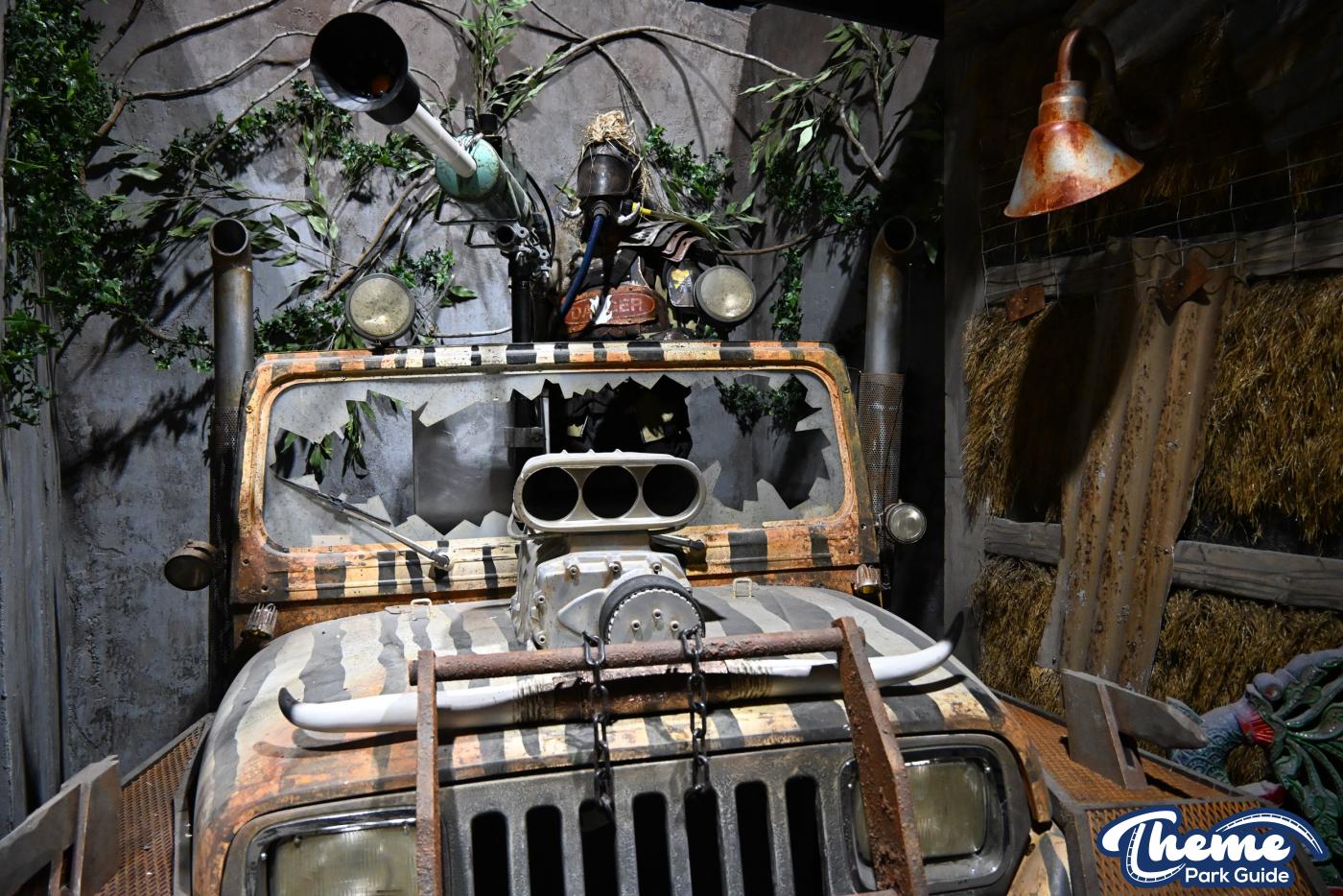
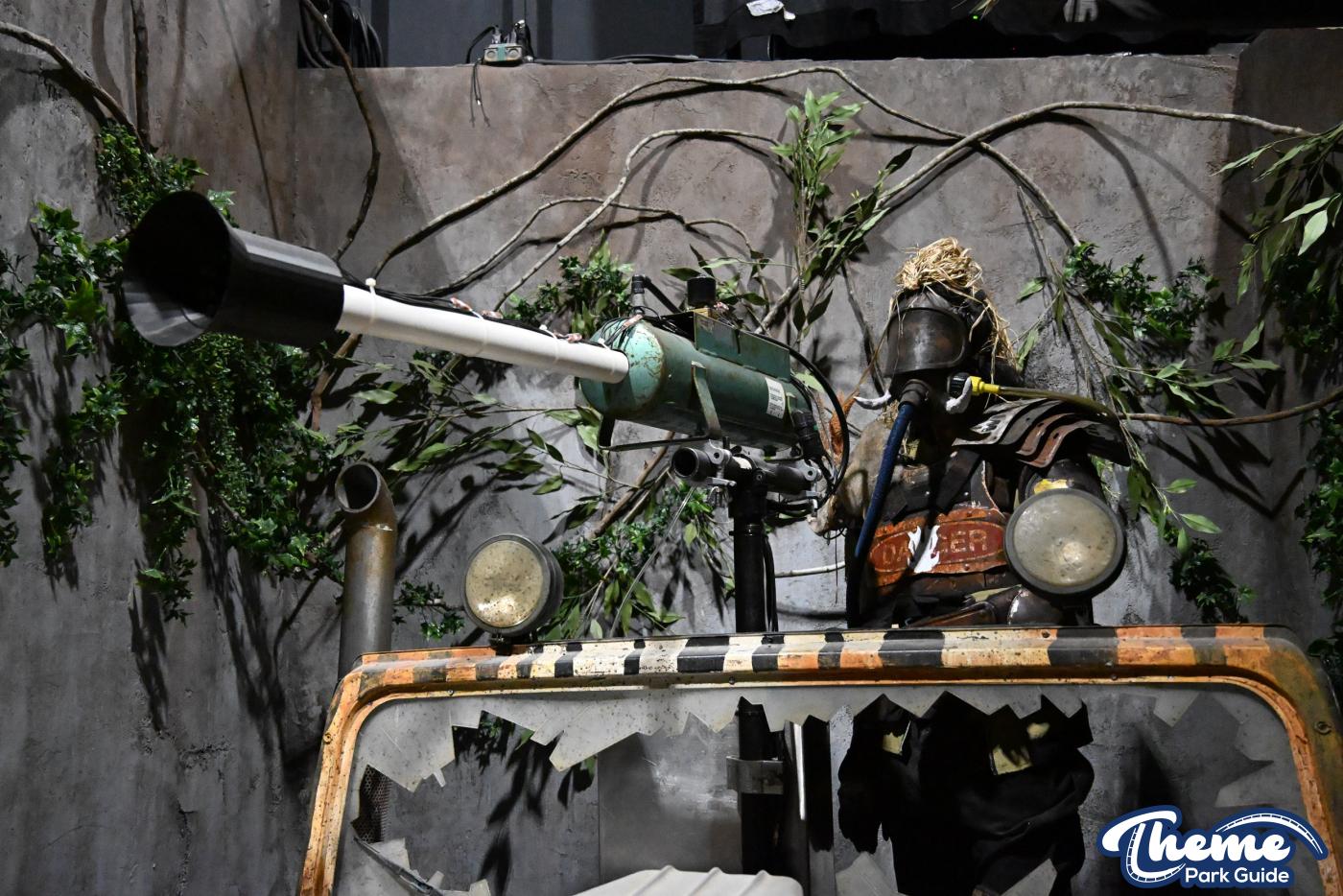
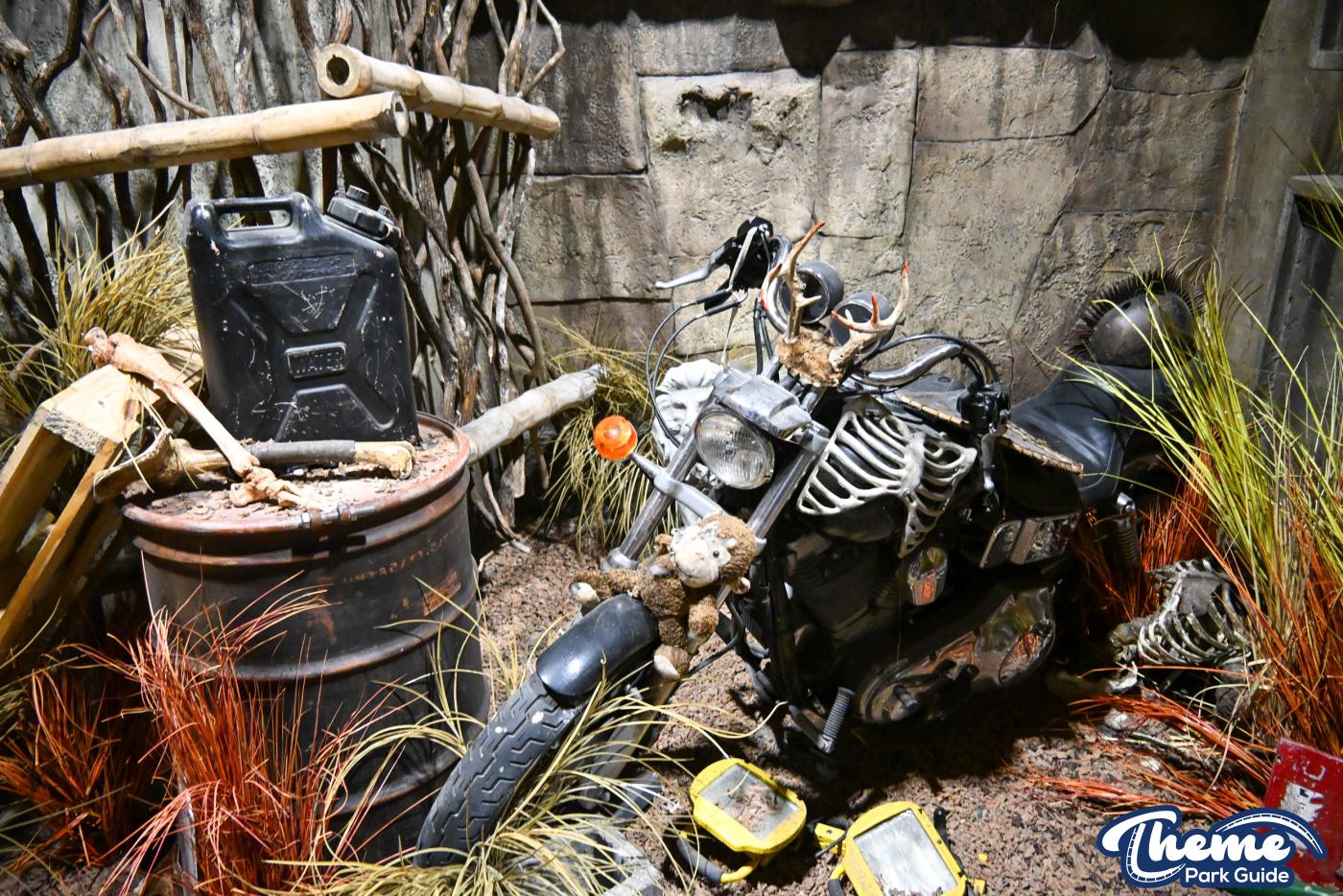
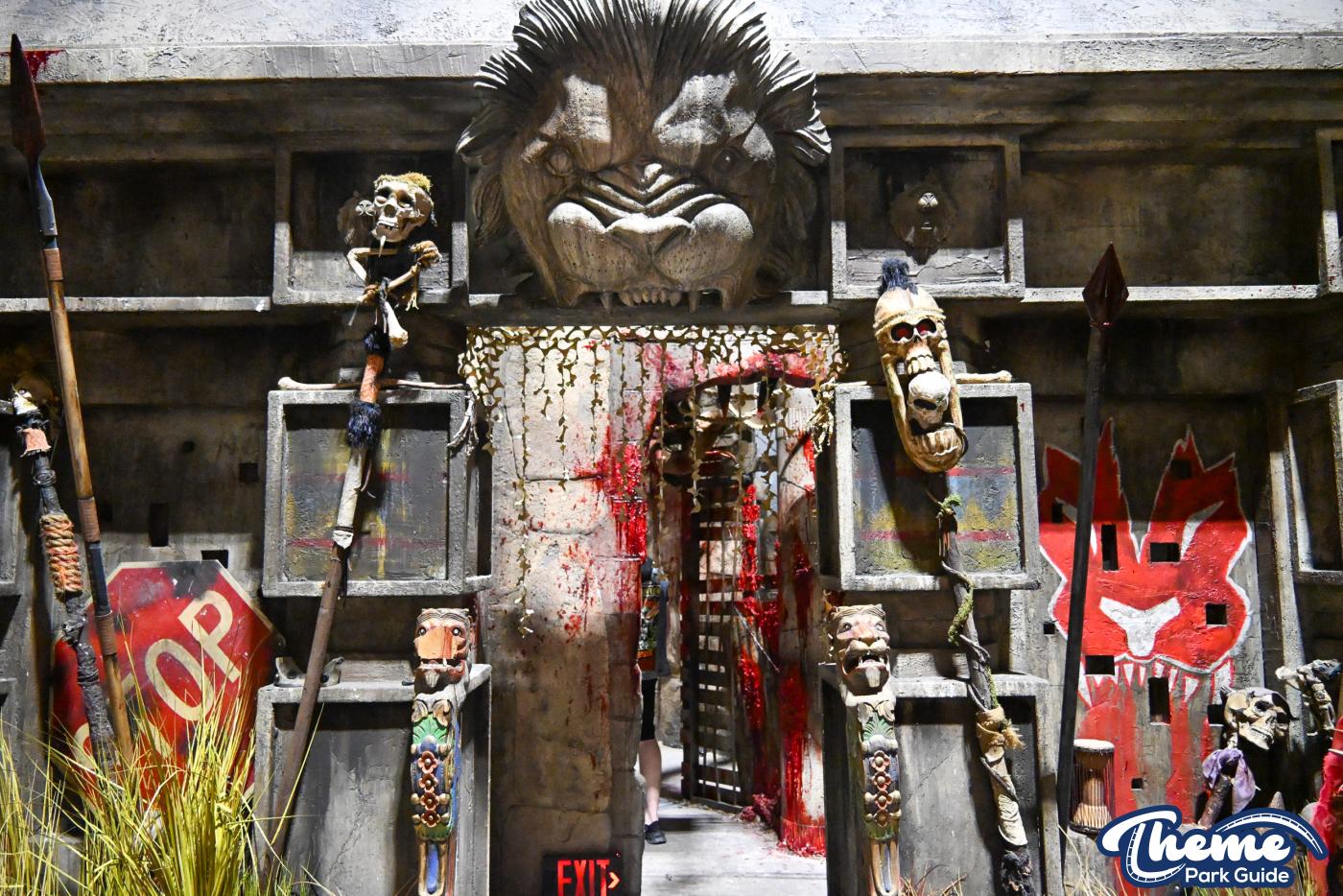
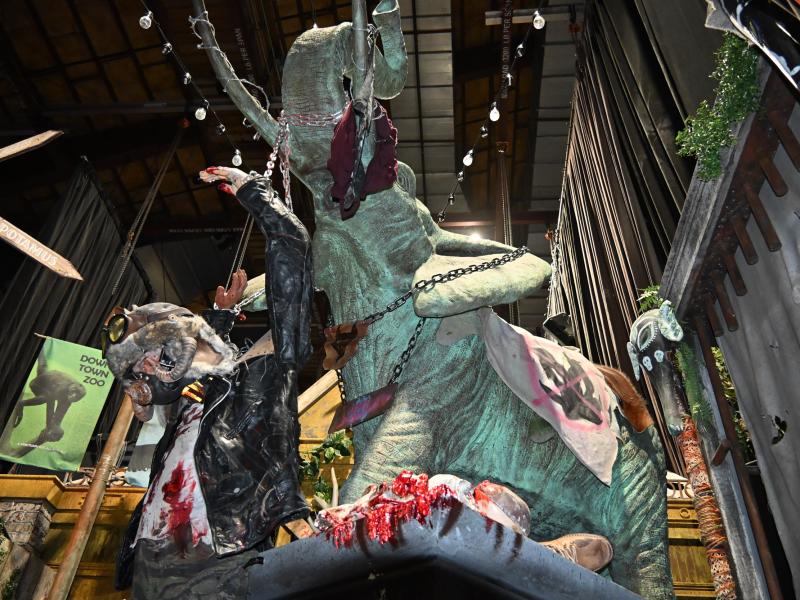
Our final haunted house was Madlands: Caged Cannibals, an original Halloween Horror Nights creation set inside an abandoned zoo that has been taken over by violent cannibal factions. The attraction takes inspiration from the former Griffith Park Zoo in Los Angeles and the concept of urban exploration, where people investigate abandoned buildings and forgotten locations. This inspiration can be seen throughout the house, with decaying animal enclosures, damaged signage and environments that feel as though they've been left untouched for years.
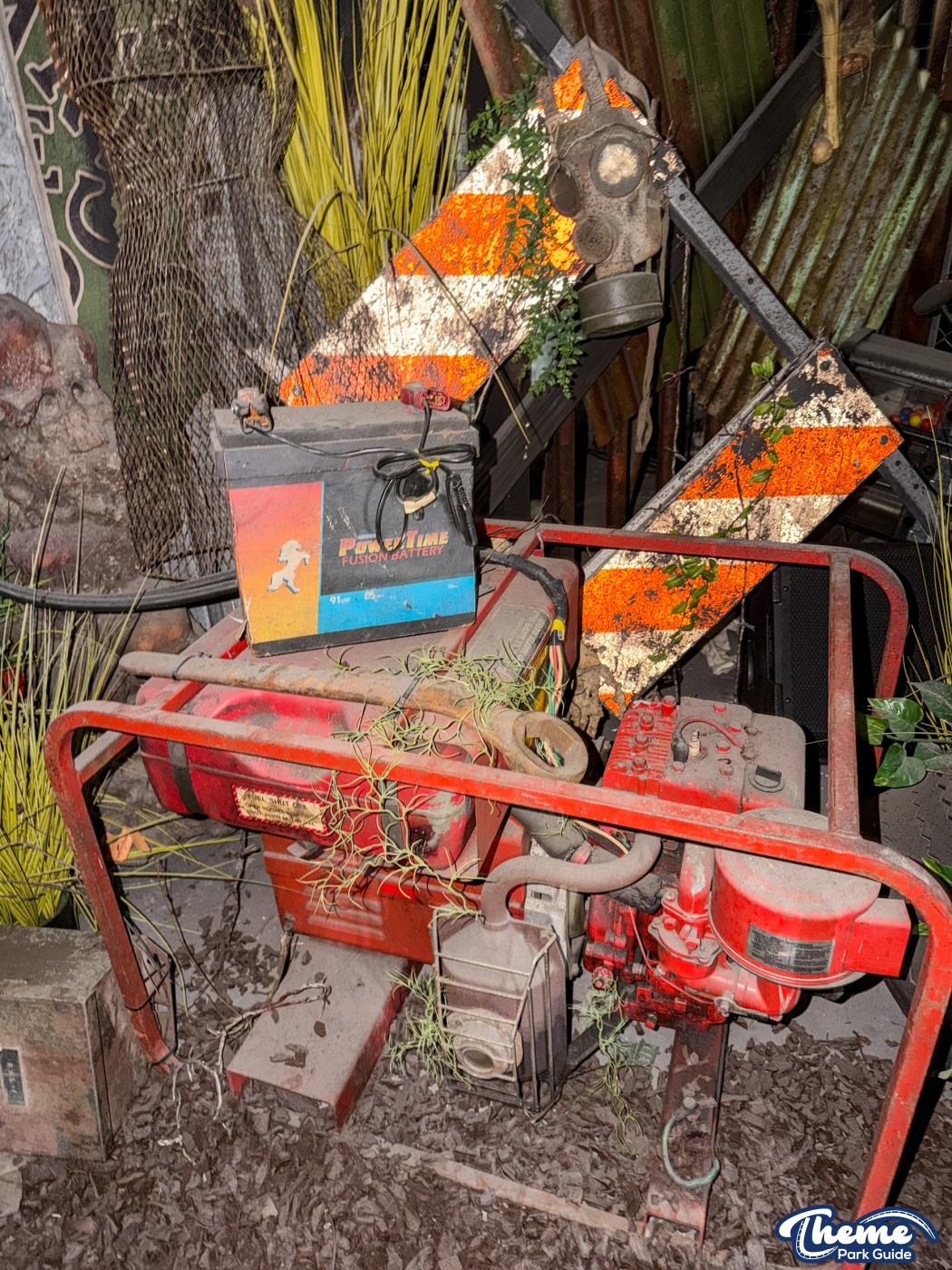
One of the most interesting things we discovered was the number of hidden references to Universal's history. Several batteries scattered throughout the attraction feature names inspired by classic films and attractions. Near the beginning, there's a PowerTime Fusion Battery, referencing the Mr. Fusion device from Back to the Future. Elsewhere, a Mega Loan-On Shock battery references the Megalodon shark and Jaws, while a New Life Re-Animating Battery pays tribute to Frankenstein. We also spotted the letters FN91 on one of the batteries, a reference to the original Fright Nights event in 1991.
There were plenty of clever practical effects to discover too. Rather than relying on a traditional loud popper effect for certain scares, the creative team uses carefully timed lighting to achieve a similar impact. Other sections feature rattle bars that performers can operate to create sudden bursts of noise and movement. We also learnt that the mulch covering parts of the floor is actually made from shredded tyres, allowing Universal to reuse the material across multiple Halloween events.
Another detail we loved was discovering how the attraction's signage follows the same directional layout as the zoo map guests encounter near the entrance. It's a subtle touch that helps the location feel believable, even though most people would never notice it while being chased through the darkness. The house also features a reused bat prop from the Jungle of Doom: Expedition Horror scare zone at Halloween Horror Nights 32 in 2023, demonstrating how Universal can repurpose older scenic elements in completely new environments.
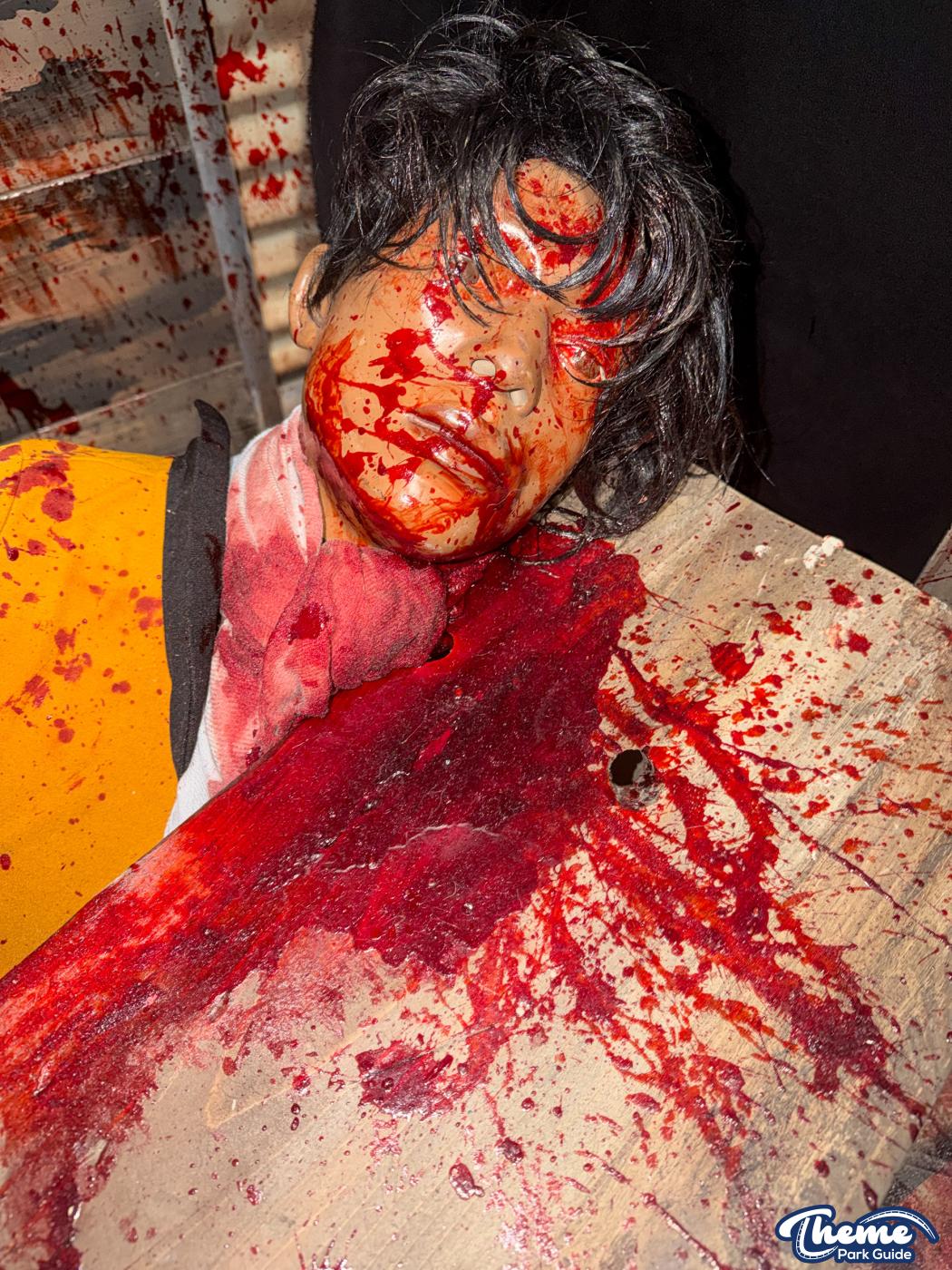
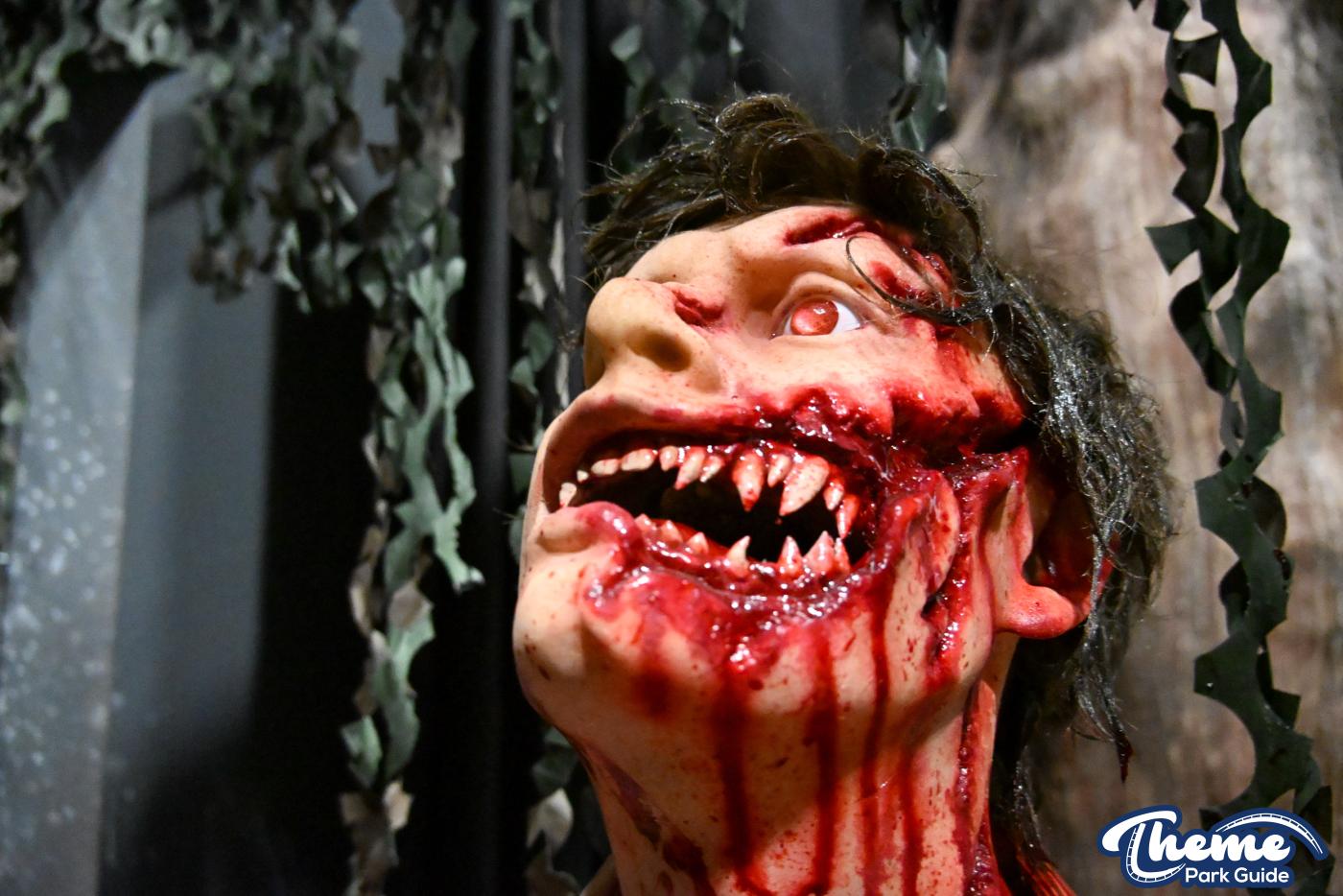
Perhaps the most surprising fact came from the final scene, where our guide revealed that approximately 14 gallons of theatrical blood were used to create the gruesome environment. For comparison, we were told that the Terrifier house from the previous year used around six gallons. It's an astonishing amount of blood, and seeing the scene with the lights on made us appreciate just how much work had gone into creating such an over-the-top finale.
Overall Review – Is the Unmasking the Horror Tour Worth It?
The Behind the Screams: Unmasking the Horror Tour was one of the highlights of our Halloween Horror Nights 35 visit. We've experienced plenty of haunted houses over the years, but being able to walk through six of them with the lights on, stop to examine the scenery and learn about the secrets behind the scares was absolutely fascinating. There are so many incredible details hidden throughout these attractions that you'd never normally notice during the event, and the tour gives you a completely different appreciation for the creativity and engineering involved.
Our guide, Kyle, was a huge part of what made the experience so enjoyable. His knowledge of Halloween Horror Nights was incredible, and he seemed to have an answer for every question we asked. Whether it was explaining how a particular effect worked, pointing out hidden Easter eggs or sharing stories about the creative process, he made the entire experience engaging from beginning to end. The buffet-style lunch was also a welcome break during the five-hour tour, giving everyone an opportunity to sit down, enjoy some food and recharge before continuing through the remaining houses.
At a starting price of $229.99 plus tax, the six-house tour certainly isn't cheap, particularly when you're already paying for Halloween Horror Nights tickets and potentially other extras during your Orlando holiday. However, we genuinely felt it was worth every penny. The amount of information, behind-the-scenes access and time spent exploring the houses made it feel like a completely different experience from attending the event itself.
One question we often hear about lights-on tours is whether they ruin the haunted houses when you experience them later during the event. For us, the answer is absolutely not! Although you get to see the scenery and understand how some of the effects work, you don't experience the scare actors, costumes, lighting or atmosphere in the same way. There's still plenty of excitement when you return at night, and in some ways, knowing how much work has gone into each scene makes the experience even better.
We'd highly recommend the Unmasking the Horror Tour to anyone visiting Orlando for Halloween Horror Nights, particularly if you're interested in the history, storytelling and creative process behind the event. For us, it was an amazing way to celebrate 35 years of Halloween Horror Nights, and we'd happily book another tour in the future. If you've ever wondered what really goes on behind the screams, this is an experience you won't want to miss!